01
How to identify planaria in an aquarium
Planaria are triclad flatworms, mostly from genera such as Girardia and Dugesia. In aquariums they hitch a ride on plants, moss, driftwood or in the water of a fish bag, then multiply quietly in the substrate and filter. Most keepers first notice them at night or shortly after feeding, when dozens appear on the front glass.
The key is the head. Under a magnifying glass or a phone camera zoom, a planarian has a triangular or spade-shaped head, often with small side lobes, and two eyespots that make it look slightly cross-eyed. The body is flat, soft and moves in a smooth glide, like a tiny slug. Many other worms in aquariums are harmless, so confirm before you treat.
| Creature | What it looks like | Problem? |
|---|---|---|
| Planaria | Flat, 3–15 mm, arrow-shaped head with two eyespots, glides smoothly | Yes in shrimp and breeding tanks |
| Detritus worms | Thin, round, white threads that wriggle or wave from the gravel | No, a sign of excess food |
| Hydra | Tiny green or brown stalk with 4–6 tentacles, stays attached | Yes for fry and shrimplets |
| Rhabdocoel flatworms | Very small (1–2 mm), rounded head, no clear eyespots | Usually harmless |
| Leeches | Segmented, suckers at both ends, inchworm-like movement | Rare, some feed on snails |
If the worms are thin and wiggly rather than flat and gliding, you probably have harmless detritus worms. See our guide to detritus worms in a fish tank before reaching for any treatment.
02
Are planaria harmful?
In a community tank with only fish, planaria are mostly an eyesore. They feed on leftover food, dead animals and very small or weakened creatures. Healthy adult fish are not at risk, and many fish happily eat them.
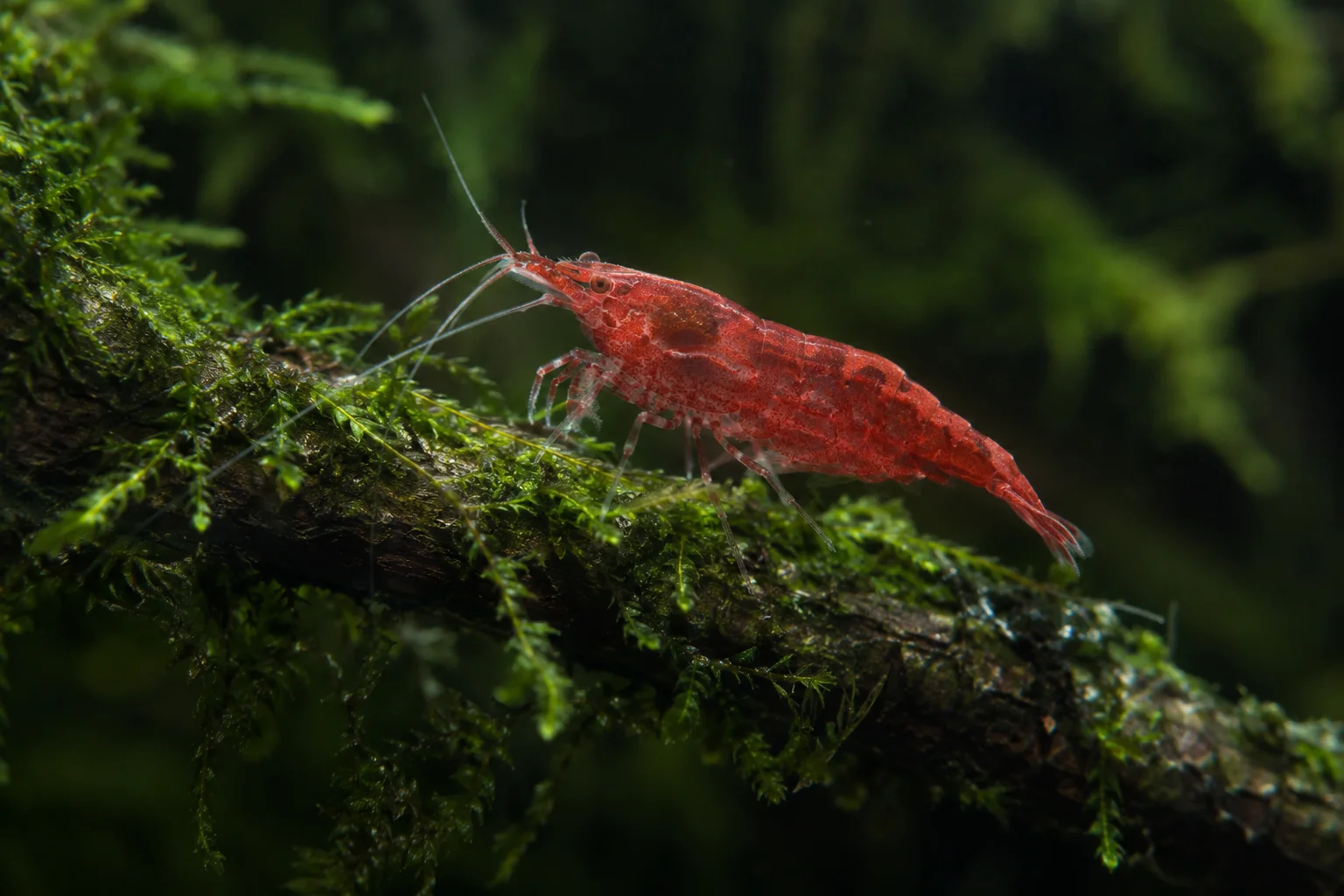
The picture changes in a shrimp or breeding tank. Planaria eat shrimp eggs, newborn shrimplets, snail eggs and fish eggs, and larger worms can attack shrimp that are molting or weak. A colony of cherry shrimp that suddenly stops growing despite berried females is a classic sign. Some planaria also produce mucus that can stress delicate shrimp when numbers are high.
03
Why planaria appear: the main causes
Planaria almost always arrive from outside and then explode because of food. A few worms in a lightly fed tank stay invisible. The same worms in an overfed tank can reach hundreds within weeks, because they reproduce by splitting and by laying cocoons.
- Overfeeding, especially protein-rich foods, pellets for shrimp and frozen foods left on the substrate.
- Uneaten food trapped in moss, dense carpets or under decorations.
- Infrequent gravel cleaning, which lets organic waste build up.
- New plants, moss, wood or shrimp added without a rinse or inspection.
- Dead snails or fish left in the tank, which feed a sudden boom.
04
How to kill planaria step by step
Start with the non-chemical steps. They reduce numbers fast and make any later treatment safer, because fewer worms means less rotting biomass after a die-off.
- Cut feeding to a small amount every second day, and remove anything not eaten within 2–3 hours. Our guide on how often to feed aquarium fish explains sensible portions.
- Siphon the substrate and remove visible worms from the glass with a cloth or scraper during a 25–30% water change. A gravel vacuum makes this much easier.
- Set a planaria trap overnight, baited with a small piece of raw shrimp or fish. Empty and rinse it in hot tap water each morning, never back into the tank.
- Rinse the filter sponge gently in removed tank water, not tap water, to keep the beneficial bacteria.
- If numbers stay high after one to two weeks, use a treatment (see below), following the label exactly.
- After any treatment, remove dead worms promptly, change 30–50% of the water over the next days and test ammonia with a reliable aquarium test kit.
05
Planaria treatments and shrimp and snail safety
No Planaria (Genchem) is a betel nut extract made for shrimp tanks. The manufacturer presents it as safe for shrimp and fish, and it is widely used in shrimp keeping, but it kills snails, including nerites and mystery snails. Remove any snails you want to keep before dosing. Many keepers also add activated carbon only after the treatment period ends, as directed on the label.
Fenbendazole is a dog and livestock dewormer (sold, for example, as Panacur in many countries) that is used off label in aquariums against planaria and hydra. It is effective but kills snails, and some keepers report shrimp losses, so it is a second choice in a shrimp tank. Doses for aquariums are not on the packaging, so ask a veterinarian before using it.
Avoid copper-based medications and general dewormers in tanks with invertebrates. Copper is toxic to shrimp, and some broad dewormers harm snails or the biological filter.
Any effective planaria treatment kills a lot of worms at once. Rotting bodies can cause an ammonia spike within 24–48 hours. Keep a water conditioner that binds ammonia at hand and test daily until readings are stable.
06
Natural predators and what to avoid
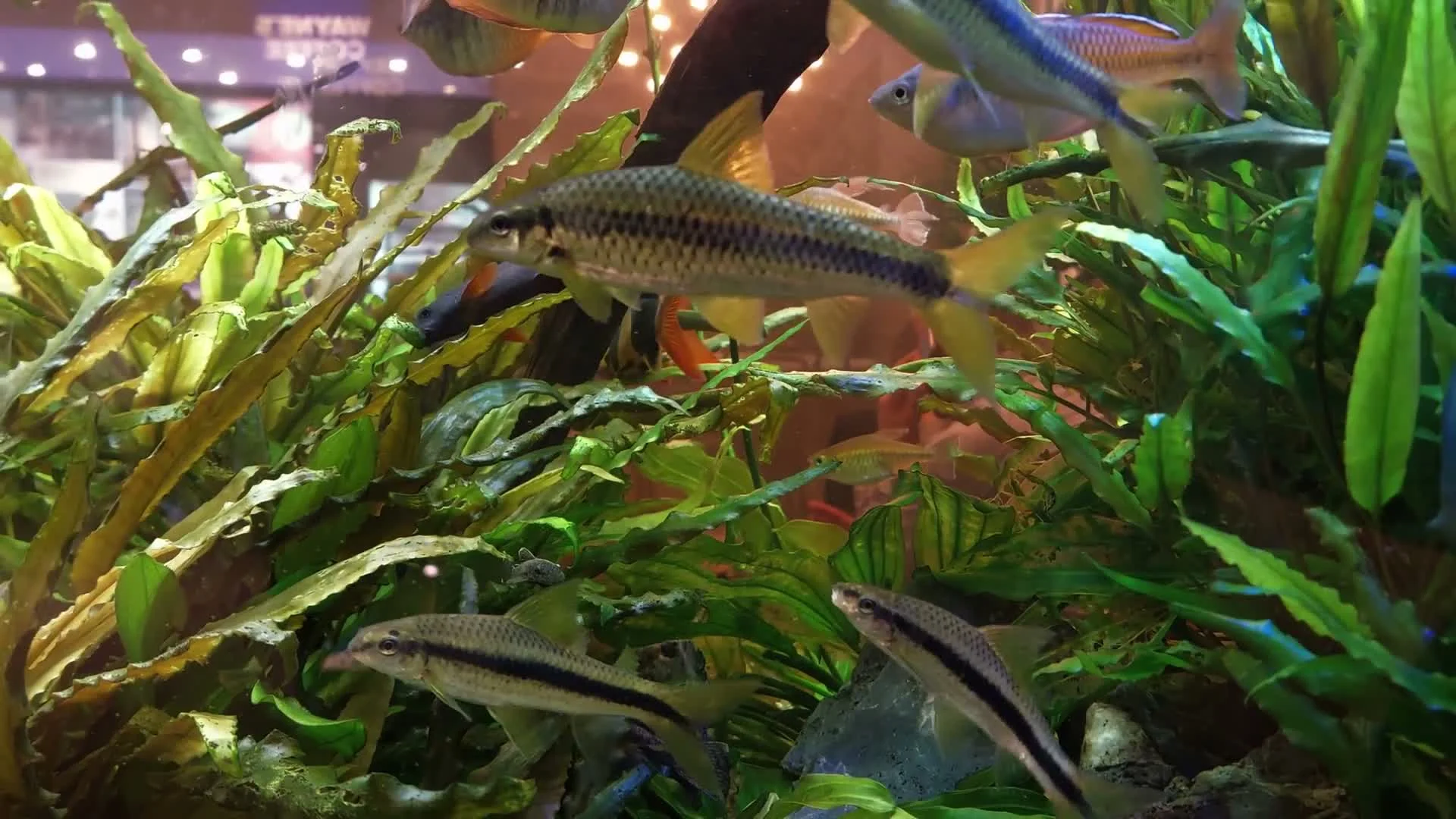
In a fish-only tank, many fish eat planaria: gouramis, paradise fish, many tetras, rasboras and juvenile cichlids pick them off the glass. In a shrimp tank this does not work, because the same fish also eat shrimplets. Check our shrimp tank mates guide before adding any predator.
Do not crush or cut planaria in the tank. Fragments can regenerate into new worms. Remove them whole with a siphon, cloth or trap.
07
Prevention: keeping planaria from coming back
Prevention is mostly about food and quarantine. Feed only what your animals finish quickly, use a feeding dish in shrimp tanks so leftovers are easy to remove, and siphon the substrate regularly. Rinse new plants and inspect moss carefully, or buy tissue-culture plants grown in sterile gel, which carry no pests.
If you breed shrimp, inspect the glass with a torch a couple of hours after lights out once a week. Catching a handful of worms early is far easier than treating a whole tank later. See our guide on how to breed cherry shrimp for setting up a stable colony.
08
When to stop and ask for help
Planaria themselves are rarely an emergency, but a treatment can become one. If fish or shrimp gasp at the surface, fall over or die after a dose, change 50% of the water, add fresh activated carbon and stop treatment. If deaths continue or you cannot identify the creature, a vet with aquatic experience or an experienced local fish store can look at a sample under a microscope. Browse the rest of our aquarium troubleshooting guides if other symptoms appear.
Frequently asked questions
Frequently asked questions
How do I know if I have planaria or detritus worms?
Look at the head and the movement. Planaria are flat, glide smoothly and have an arrow-shaped head with two eyespots. Detritus worms are thin, round, white threads that wriggle or wave from the gravel and have no visible head. Detritus worms are harmless and only point to excess food, while planaria can threaten shrimp eggs and babies.
Do planaria hurt fish?
Not healthy adult fish. Planaria eat leftovers, dead animals, eggs and very small creatures. They become a problem in shrimp tanks and breeding setups, where they eat eggs, shrimplets and snail eggs and can attack weak or molting shrimp. In a fish-only community tank, many fish eat them and numbers usually stay low.
Is No Planaria safe for shrimp and snails?
No Planaria is sold as shrimp safe and is widely used by shrimp keepers, but it kills snails, including nerites, mystery snails and ramshorns. Move any snails you want to keep to another tank before dosing, follow the label exactly, remove dead worms quickly and watch your water parameters for a few days afterwards.
How long does it take to get rid of planaria?
With reduced feeding, siphoning and traps, numbers usually drop noticeably within two to three weeks. A chemical treatment typically kills visible worms within a few days, but cocoons can hatch later, so keep feeding light and check the glass at night for a month. Fully removing them depends on fixing the food surplus.
Will planaria go away on their own?
They rarely disappear completely, but they shrink to an invisible population when food becomes scarce. Feeding less, removing leftovers and cleaning the substrate often brings a large outbreak back under control without chemicals, which is the safest first step in any tank with shrimp or snails.
Sources and references
Written and reviewed by the handsoffmyhobby editorial team according to our editorial policy.