Fact sheet
- Common names
- Corydoras, cory catfish, cories
- Family
- Callichthyidae (armored catfish)
- Origin
- South America (Amazon, Orinoco, Paraná and coastal basins)
- Adult size
- 1–2.8 in (2.5–7 cm), depending on species
- Lifespan
- 5–10 years, sometimes longer
- Minimum tank
- 20 gallons (75 L) for most species, 10 gallons (38 L) for pygmy cories
- Temperature
- 72–78 °F (22–26 °C); sterbai 75–82 °F (24–28 °C)
- pH
- 6.0–7.5
- Hardness
- GH 2–15 °dH, KH 1–8 °dH
- Group size
- 6 or more of the same species
- Diet
- Omnivore, bottom feeder
- Care level
- Easy to moderate
01
Corydoras catfish at a glance
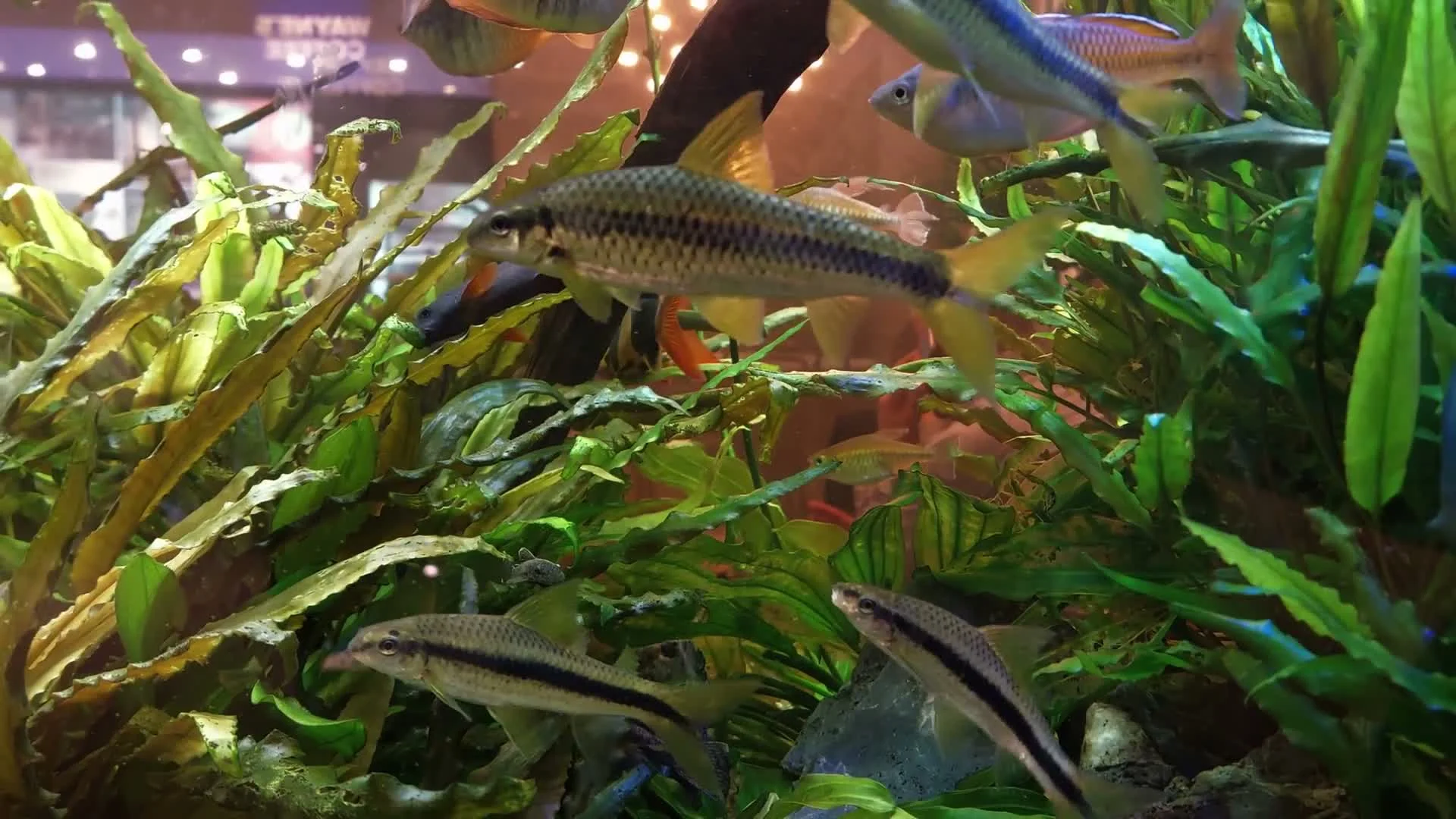
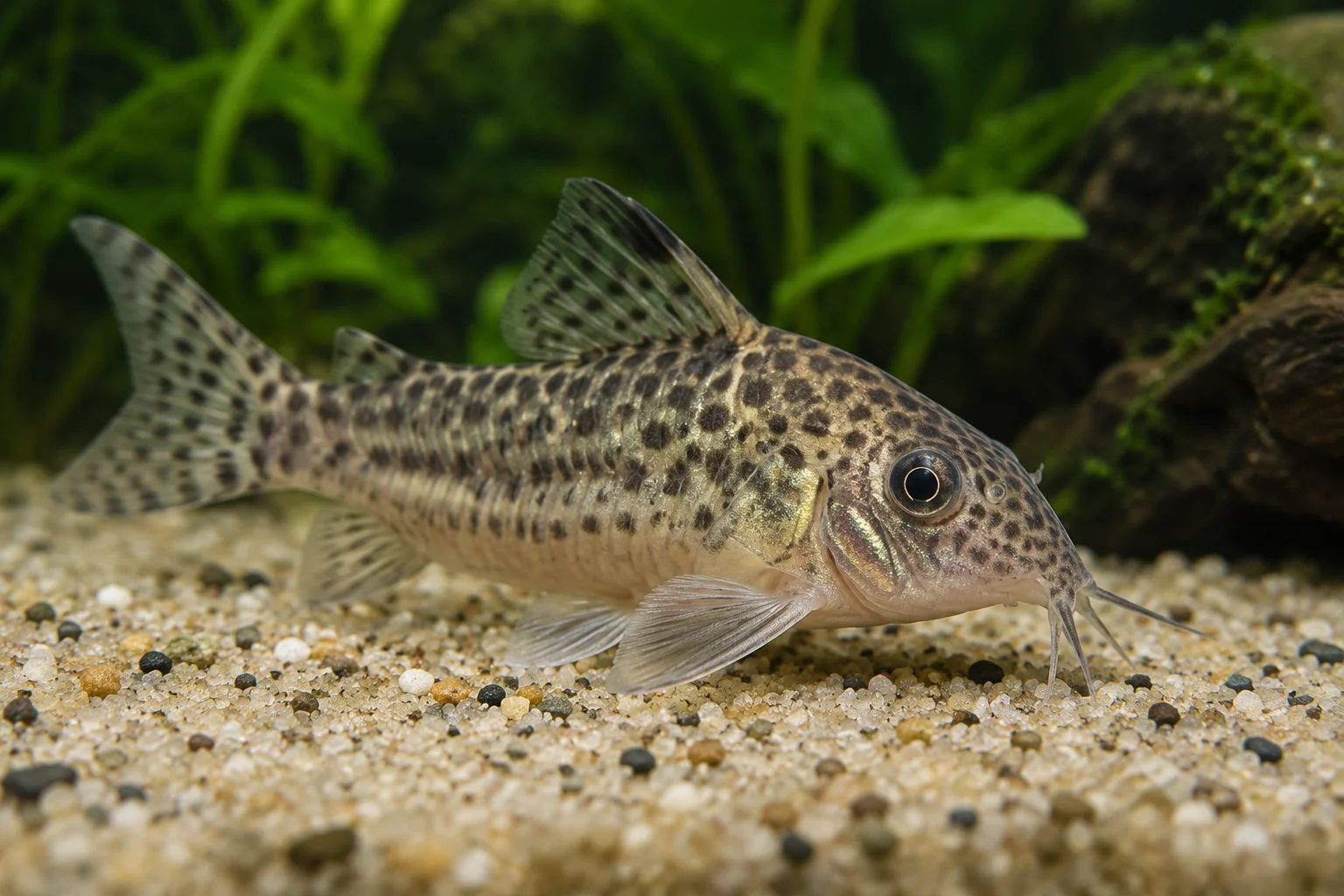
Corydoras are small armored catfish covered in two rows of bony plates instead of scales. They spend the day rooting through the substrate with their sensitive barbels, sifting sand for leftover food, and they are famous for the quick "wink" of their eyes and their sudden dashes to the surface to gulp air. There are well over 150 described species, and dozens are regularly sold in the US.
Good corydoras care comes down to three things: a group, a soft bottom and clean water. A single cory hides and stresses; a group of six or more forages in the open and is far more interesting to watch. Because they live with their faces in the substrate, nitrate and dirty gravel affect them before most other fish. Start with a fully cycled tank, never a brand-new one.
A note on names: a 2024 scientific revision moved many popular species into revived genera such as Hoplisoma and Gastrodermus. The hobby and the stores still call them all corydoras or cories, and their care is the same.
- Tank: 20 gallons (75 L) or larger, with a long footprint
- Substrate: fine sand or smooth, rounded fine gravel
- Group: at least 6 of one species, more in larger tanks
- Filter: gentle to moderate flow, intake protected
- Food: sinking pellets, wafers and frozen foods that reach the bottom
02
Popular corydoras species
Most corydoras share the same basic care, but size and temperature preferences differ. Keep one species per group if you can: cories school more confidently with their own kind, though mixed groups do still shoal together loosely.
| Species | Adult size | Temperature | Notes |
|---|---|---|---|
| Panda cory (C. panda) | 1.6–2 in (4–5 cm) | 72–77 °F (22–25 °C) | Prefers cooler, soft water; black eye and tail patches |
| Sterbai cory (C. sterbai) | 2.4–2.8 in (6–7 cm) | 75–82 °F (24–28 °C) | Tolerates warmth, a good discus or ram companion |
| Bronze cory (C. aeneus) | 2.4–2.8 in (6–7 cm) | 72–78 °F (22–26 °C) | Very hardy, often sold as albino |
| Peppered cory (C. paleatus) | 2.4–2.8 in (6–7 cm) | 68–75 °F (20–24 °C) | Subtropical, prefers cooler water |
| Julii and false julii (C. julii, C. trilineatus) | 2–2.4 in (5–6 cm) | 72–78 °F (22–26 °C) | Spotted patterns, often confused |
| Pygmy cory (C. pygmaeus) | 0.8–1.2 in (2–3 cm) | 72–79 °F (22–26 °C) | Swims mid-water, suits nano tanks |
03
Origin and natural habitat
Corydoras are found across much of South America east of the Andes, from Colombia and Venezuela down to Argentina. They live in shallow streams, flooded forest margins, ponds and the slow edges of larger rivers, usually over sand, fine gravel or leaf litter.
Water conditions vary a lot by region. Panda cories come from cool, clear Andean foothill streams in Peru, sterbai from warm Brazilian and Bolivian waters, peppered cories from subtropical rivers in southern Brazil, Uruguay and Argentina. This explains the temperature differences in the table above. Today almost all bronze, peppered, panda and sterbai cories in stores are captive bred, which makes them much hardier than wild imports.
04
Adult size and lifespan
Most aquarium corydoras reach 1.6–2.8 inches (4–7 cm). Pygmy species such as C. pygmaeus, C. hastatus and C. habrosus stay around 0.8–1.4 inches (2–3.5 cm), while a few larger species, like the long-snouted types, can approach 3 inches (7.5 cm) or slightly more. Females are rounder and usually a bit larger than males.
Cories are long-lived for their size. Five to ten years is common in good conditions, and some keepers report bronze cories living well beyond that. Lifespan depends heavily on clean substrate and stable water.
05
Tank size and setup
For standard species, a 20-gallon (75 L) tank with a long base is the practical minimum for a group of six. Floor space matters more than height, since cories use the bottom. Pygmy cories can live in a well-maintained 10-gallon (38 L) tank, and our list of fish for a 10-gallon tank shows how they fit into small setups.
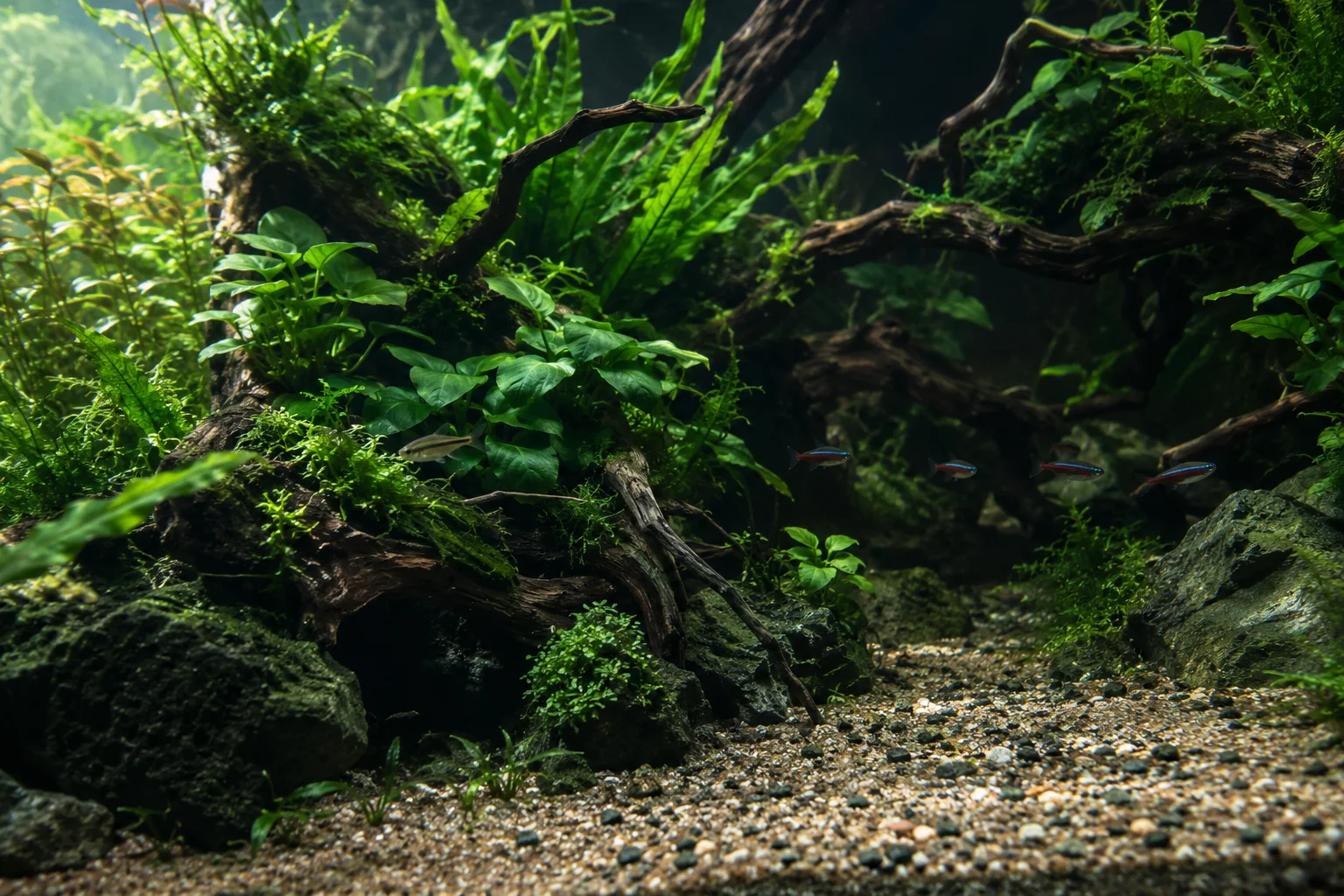
Substrate is the most important decision. Corydoras dig with their barbels, and sharp or coarse gravel can wear them down, especially if it is dirty. Fine sand is ideal; smooth, rounded fine gravel is acceptable. Our guide to the best aquarium substrate covers sands that suit bottom dwellers and plants.
Add hiding spots (driftwood, caves, broad-leaved plants such as anubias) and leave an open sandy area for foraging. Moderate flow is fine, but cover filter intakes with a sponge so small cories and fry are not pulled in. Keep a lid: cories occasionally jump when they rush to the surface.
06
Water parameters
Captive-bred cories adapt to most US tap water once it is treated with a water conditioner. What they do not tolerate is ammonia, nitrite or high nitrate, so test regularly and use our aquarium water parameters guide to read the results.
| Parameter | Target range |
|---|---|
| Temperature | 72–78 °F (22–26 °C), sterbai up to 82 °F (28 °C) |
| pH | 6.0–7.5 |
| GH (general hardness) | 2–15 °dH (35–270 ppm) |
| KH (carbonate hardness) | 1–8 °dH (20–140 ppm) |
| Ammonia / nitrite | 0 ppm |
| Nitrate | Below 20 ppm |
Vacuum the open sand areas during each weekly water change. Dirty substrate is the main cause of eroded barbels in corydoras.
07
Diet and feeding
Corydoras are omnivores, not cleaners. They eat leftovers, but they cannot live on what other fish drop. Feed a quality sinking pellet or wafer every day, and add frozen or live foods such as bloodworms, brine shrimp and daphnia two or three times a week. Blanched vegetables are taken by some species.
Feed when the lights go down or shortly after the main feeding, so faster midwater fish do not grab everything first. A good rule is enough food for the group to finish in a few minutes. Our guide on how often to feed aquarium fish explains how to avoid overfeeding, which fouls the substrate cories live in.
08
Behavior and tank mates
Cories are completely peaceful toward other fish and plants. They are active by day, forage in loose groups and rest together under cover. Each fish dashes to the surface for a gulp of air now and then, which is normal intestinal air-breathing. If the whole group does it constantly, check oxygen levels and ammonia.
Good companions are other peaceful community fish that stay in the middle and upper water: neon tetras, harlequin rasboras, small rasboras, guppies, platies and dwarf gouramis. Cories also work with bettas in tanks of 10 gallons or more, as explained in our guide to betta tank mates. They coexist with dwarf shrimp, though they may eat shrimplets.
Avoid large cichlids, big barbs and anything that can swallow them. Note that cories have sharp, locking fin spines: a predator that tries to eat one can choke. Goldfish are also a poor match because of their cooler water and heavy waste load.
09
Breeding corydoras
Bronze, peppered, panda and sterbai cories spawn readily in the home aquarium. A well-fed group with more males than females is often triggered by a large, slightly cooler water change, mimicking the rainy season. Males chase a female, and the pair forms the classic "T-position", after which the female carries a few eggs in her pelvic fins and sticks them to the glass, plants or decor.
One spawning can produce a few dozen to over a hundred eggs. Adults will eat eggs, so move them to a separate tank or breeder box. Eggs hatch in about 3–5 days depending on temperature. Feed fry microworms or baby brine shrimp once they have absorbed the yolk sac, and keep the water very clean, as fry are sensitive to fungus and ammonia.
10
Common corydoras health problems
Most cory problems start with water quality or substrate. Check ammonia and nitrite first, then nitrate, whenever fish look listless or stop foraging. Cories can be sensitive to some medications and to salt, so read the label for catfish or scaleless-fish warnings and ask an aquatic vet when in doubt.
| Problem | Typical signs | Where to start |
|---|---|---|
| Barbel erosion | Short, worn or missing barbels | Clean the substrate, switch to sand, lower nitrate |
| Ammonia burns | Red gills, gasping, lethargy | Test and change water, see ammonia poisoning |
| Ich | White spots, scratching on sand | Treat carefully, see ich in fish |
| Red blotch / bacterial infection | Red patches on belly or fins | Improve water quality, consult a vet |
| Starvation | Hollow belly, inactive fish | Target-feed sinking foods after lights out |
11
Recommended gear
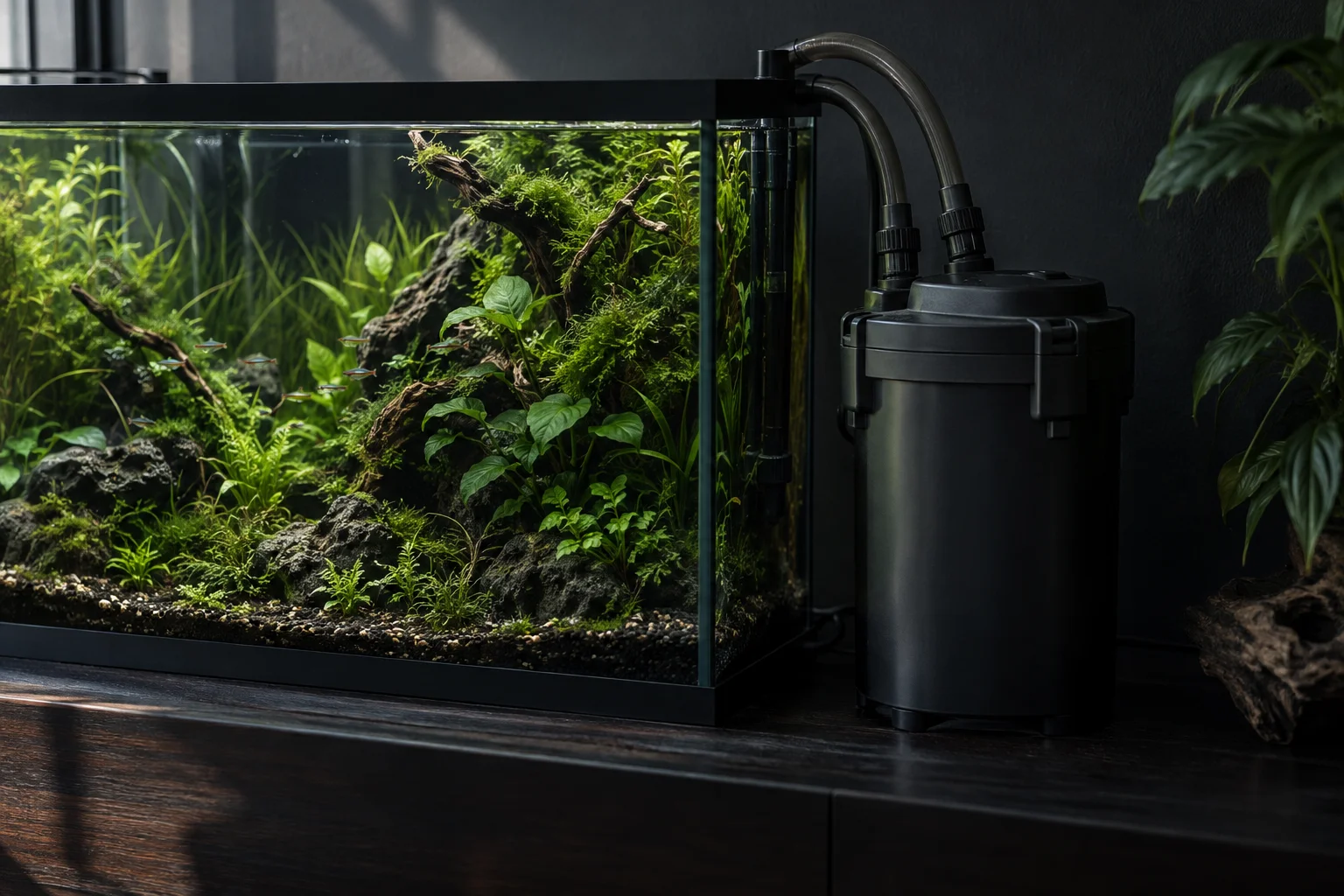
A cory tank needs the usual basics plus a few details. Choose a filter with a protected intake or a sponge filter (see our best sponge filter picks), a reliable heater for tropical species, and a liquid test kit from our best aquarium test kit guide to track nitrate.
A gravel vacuum with a gentle flow lets you clean sand without sucking it up. If you are still planning your stocking, cories are a natural choice in our best beginner fish list and in a 20-gallon community.
Frequently asked questions
Frequently asked questions
How many corydoras catfish should be kept together?
Keep at least 6 corydoras, ideally of the same species. In groups they forage openly, rest together and show natural behavior. Alone or in pairs they are shy and stressed. In a 30-gallon tank or larger, a group of 8 to 12 looks and behaves even better.
Do corydoras need sand?
Sand is strongly recommended. Corydoras dig with sensitive barbels, and sharp or coarse gravel, especially when dirty, can erode them. Smooth, rounded fine gravel is acceptable if you clean it well. Leave at least an open sandy area where the group can sift for food.
What is the difference between panda cory and sterbai cory care?
Panda cories are small (about 2 in) and prefer cooler, soft water around 72–77 °F. Sterbai cories grow larger (about 2.6 in) and tolerate warmer water up to 82 °F, which makes them good companions for discus, rams or warm-water tanks. Otherwise their care, diet and group needs are the same.
Do corydoras clean the tank?
No. They eat leftovers that reach the bottom, but they produce waste like any fish and need their own food every day. They do not eat algae or fish waste. Feed sinking pellets or wafers and keep up with substrate vacuuming and water changes.
Why does my cory catfish swim to the surface?
Occasional dashes to the surface are normal: corydoras swallow air and absorb oxygen through their gut. If the whole group does it constantly, the water may be low in oxygen or contain ammonia or nitrite. Test the water and increase surface movement.
Sources and references
Written and reviewed by the handsoffmyhobby editorial team according to our editorial policy.