Fact sheet
- Common names
- Pearl gourami, lace gourami, mosaic gourami
- Family
- Osphronemidae (labyrinth fish)
- Origin
- Southern Thailand, Malaysia, Sumatra and Borneo
- Adult size
- 4–5 in (10–12 cm)
- Lifespan
- 4–6 years, sometimes longer
- Minimum tank
- 30 gallons (114 L) for a trio
- Temperature
- 77–82 °F (25–28 °C)
- pH
- 6.0–7.5
- Hardness
- GH 2–12 °dH, KH 1–8 °dH
- Diet
- Omnivore (insects, larvae, zooplankton, plant matter)
- Temperament
- Very peaceful, slightly shy
- Care level
- Easy
01
Pearl gourami care at a glance
The pearl gourami gets its name from the dense pattern of white, pearl-like spots that covers its body and fins, crossed by a dark line from the snout to the tail. Mature males add a deep orange-red throat and chest, especially when they are ready to breed. It is one of the calmest gouramis in the hobby, which makes it a favorite centerpiece fish for community tanks.
Like all gouramis, the pearl gourami is a labyrinth fish and breathes air from the surface, so it needs calm water and access to the top of the tank. It is hardy once settled, but it shows its best colors and behavior only in a mature, planted aquarium. Start with a fully cycled tank and add the fish after the more boisterous species have settled.
- Tank: 30 gallons or more for a group, long rather than tall
- Heater: adjustable, set around 79 °F (26 °C)
- Filter: moderate flow with a calm surface area
- Plants: tall background plants and floating plants
- Lid: keeps warm, humid air at the surface for breathing
02
Origin and natural habitat
Trichopodus leerii comes from the lowlands of southern Thailand, peninsular Malaysia, Sumatra and Borneo. It lives in swamps, peat bogs, slow streams and flooded forest, often in soft, acidic blackwater stained brown by fallen leaves, with dense vegetation and very little current.
Wild populations are under pressure from the drainage of peat swamps, and the species is listed as Near Threatened on the IUCN Red List. Fish sold in stores are almost all farm-bred, and these captive-bred fish adapt well to neutral tap water.
03
Adult size and lifespan
Adults usually reach 4–5 inches (10–12 cm), which is larger than many first-time buyers expect after seeing 2-inch juveniles in the store. Males tend to be slightly longer and more slender, with longer fins.
A pearl gourami usually lives 4–6 years with good care, and well-kept individuals can live longer. Stable temperatures, clean water and a varied diet make the biggest difference.
04
Pearl gourami tank size
For a trio (one male, two females), plan on a tank of at least 30 gallons (114 L). A single pearl gourami can live in a 20-gallon long, but these are social fish that are calmer and more active in small groups. In a 55-gallon tank you can keep a larger group with several females, or combine pearls with a big school of tetras; our best 55-gallon aquarium guide covers suitable setups.
Choose a long tank with plenty of open swimming space in front and dense planting at the back and sides. Leave a gap of an inch or two between the water and the lid so the fish can breathe warm, humid air.
05
Water parameters
Captive-bred pearl gouramis do well in most treated tap water. Use a water conditioner at every water change, and aim for soft to moderately hard, slightly acidic to neutral water. Keep things stable rather than chasing a perfect number, and use our guide to aquarium water parameters to interpret your test results. If your tap water is very hard, see how to lower pH gently and safely.
| Parameter | Target range |
|---|---|
| Temperature | 77–82 °F (25–28 °C) |
| pH | 6.0–7.5 |
| GH (general hardness) | 2–12 °dH (35–200 ppm) |
| KH (carbonate hardness) | 1–8 °dH (18–140 ppm) |
| Ammonia / nitrite | 0 ppm |
| Nitrate | Below 20 ppm |
06
Diet and feeding
Pearl gouramis are omnivores. In the wild they eat insects, larvae, small crustaceans and some plant matter. In the aquarium, feed a quality flake or small pellet as the staple and add frozen or live foods such as bloodworms, brine shrimp, daphnia and mosquito larvae a few times a week. A spirulina or vegetable flake adds fiber.
Offer small portions once or twice a day, only what they finish in about two minutes. Pearls are polite eaters and can lose out to fast tetras or barbs, so drop food in more than one spot. See how often to feed aquarium fish for portion guidelines.
07
Male vs female pearl gourami
Sexing adults is easy. Males have a long, pointed dorsal fin and an anal fin with extended, fringed rays, and their throat and chest turn bright orange-red when they are in breeding condition. Females have a shorter, rounded dorsal fin, a plainer silver-white throat and a fuller belly. Juveniles under about 2.5 inches (6 cm) are hard to tell apart.
08
Behavior and pearl gourami tank mates
Pearl gouramis are gentle and somewhat shy. They cruise the middle and upper levels, explore with their thread-like pelvic fins and rarely bother other fish. Males may spar with each other with flared fins, which is usually harmless in a large tank with one male, or several males and many hiding places.
The best pearl gourami tank mates are peaceful species of similar or smaller size that do not nip fins. Schools of rummy nose tetras, cardinal tetras or harlequin rasboras fill the midwater, and corydoras or a bristlenose pleco work the bottom. A dwarf gourami can share a larger tank, though both may compete for the same surface space.
- Usually compatible: tetras, rasboras, peaceful barbs such as cherry barbs, corydoras, bristlenose plecos, kuhli loaches, angelfish in large tanks
- Risky: very small shrimp and fry (may be eaten), other gourami species in small tanks
- Avoid: fin nippers such as tiger barbs and serpae tetras, aggressive cichlids, very fast or boisterous fish that outcompete them at feeding time
09
Breeding pearl gouramis
Pearl gouramis breed in a similar way to other bubble-nesting gouramis. Lower the water level to about 6–8 inches (15–20 cm), raise the temperature slightly toward 82 °F (28 °C), provide floating plants, and condition the pair with live or frozen foods. The male builds a large bubble nest, courts the female beneath it and wraps around her during spawning.
A spawn can number several hundred eggs, which float up into the nest. Remove the female after spawning. The male guards the nest; eggs hatch in about 1–2 days, and the fry swim freely a few days later, when the male should be removed as well. Feed the fry infusoria or a liquid fry food first, then baby brine shrimp. Keep the tank covered so the air above the water stays warm, which helps the fry develop their labyrinth organ.
10
Common diseases
Pearl gouramis are hardy when water quality is good. Most problems follow stress, temperature drops or poor water. Quarantine new arrivals for 2–4 weeks and test the water whenever a fish looks off. For persistent or serious problems, consult an aquatic veterinarian, and always follow the medication label.
| Problem | Typical signs | Where to start |
|---|---|---|
| Ich | White salt-like spots, scratching | See ich in fish |
| Fin rot | Frayed, shrinking or dark-edged fins | Water quality, then fin rot treatment |
| Bacterial infections | Ulcers, red patches, lethargy | Isolate, check water, treat per label |
| Ammonia stress | Gasping, red gills, clamped fins | Large water change, see ammonia poisoning |
11
Recommended gear
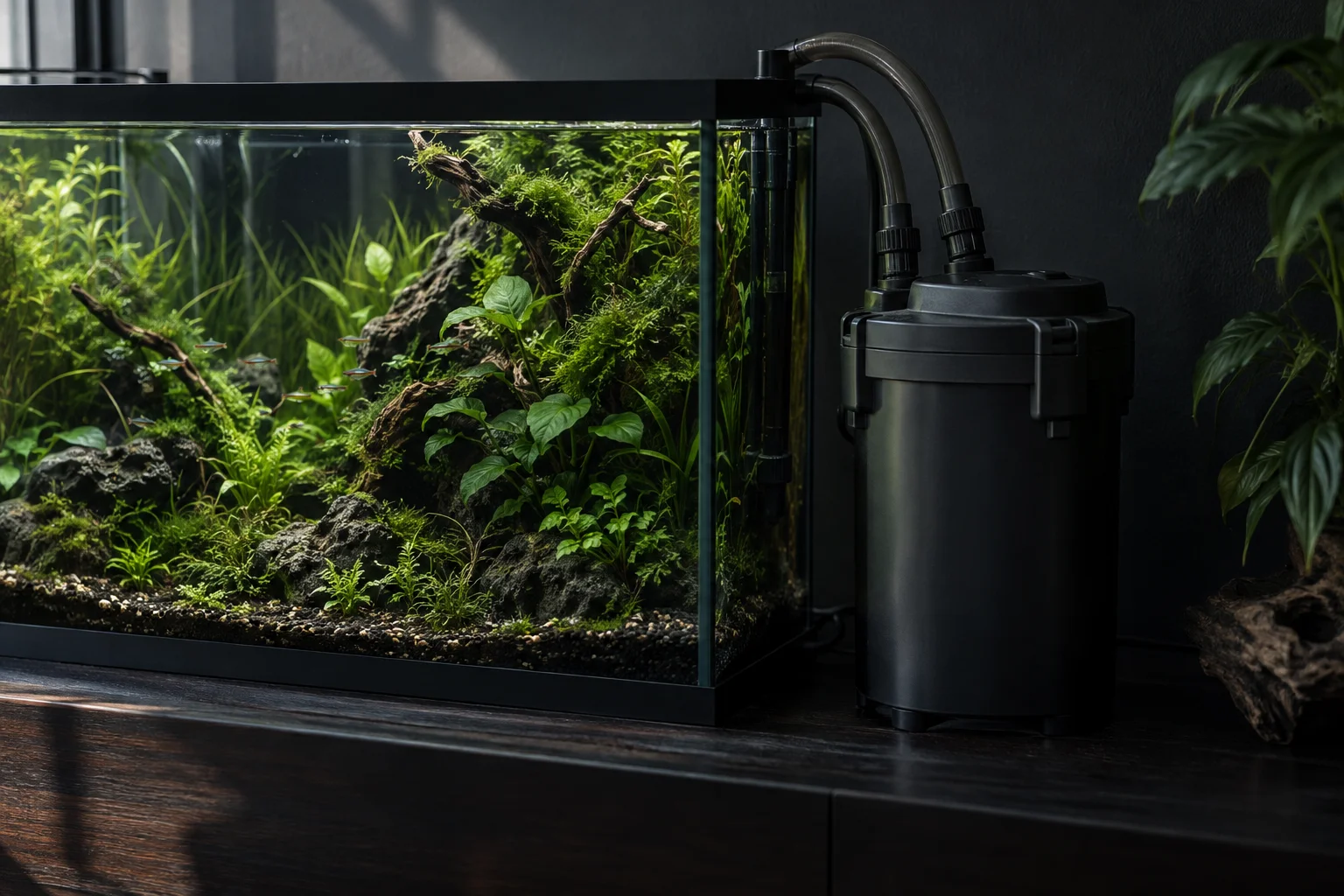
A 30-gallon or larger community needs a reliable heater sized for the volume; our best aquarium heater guide lists dependable options. For filtration, a hang-on-back or canister with adjustable flow keeps the water clean without turning the surface into a river; compare models in our best aquarium filter guide.
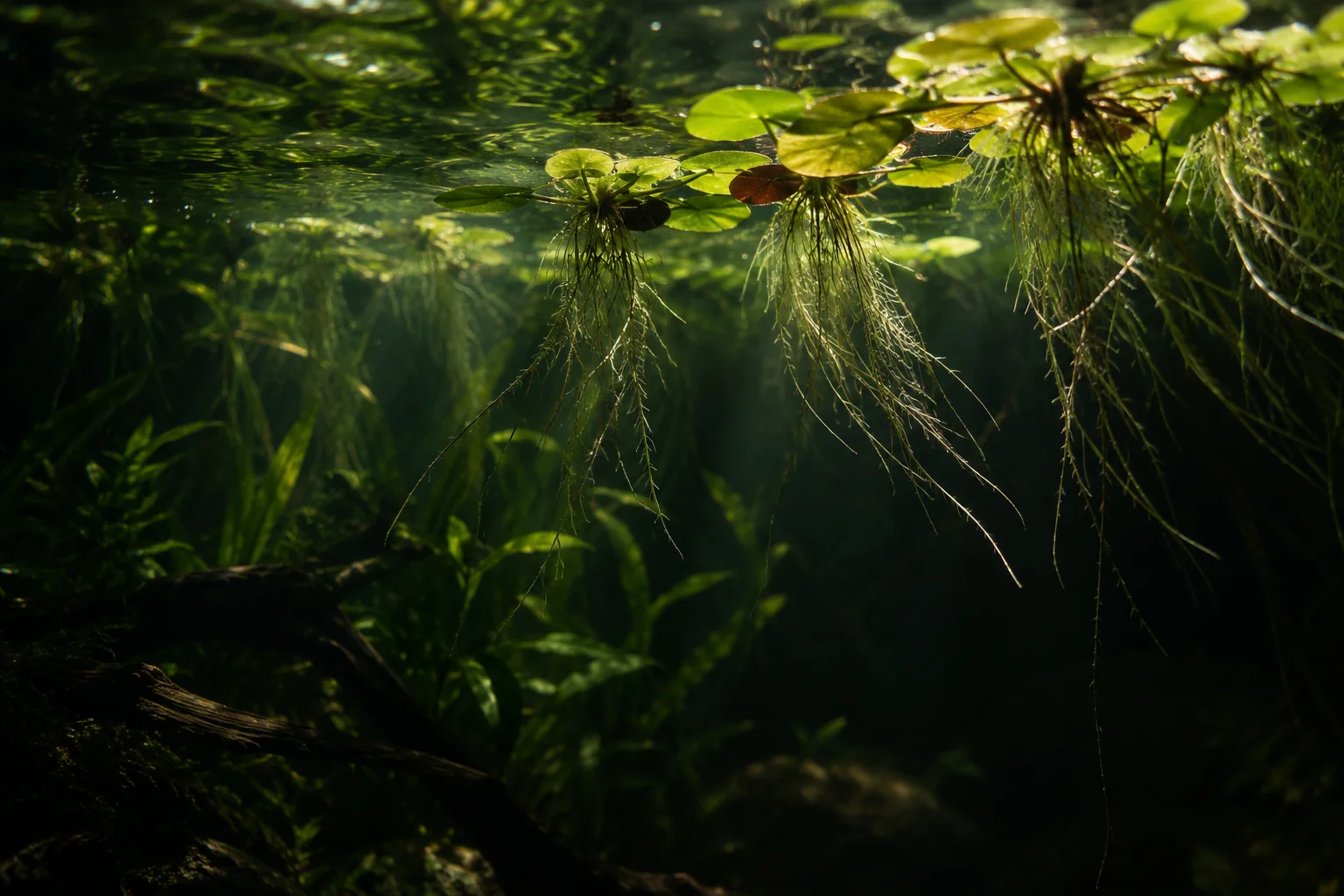
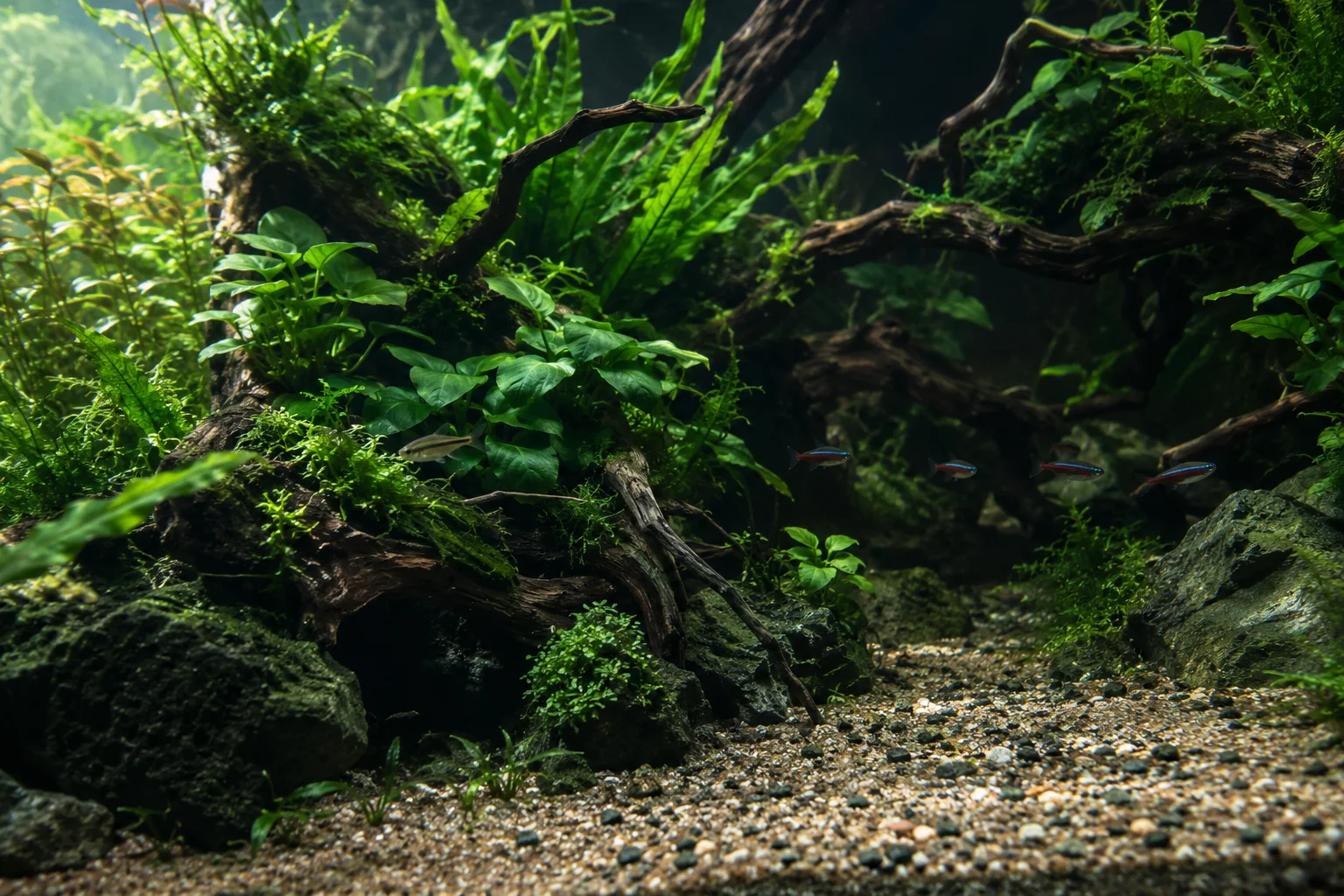
Plants complete the picture: tall stem plants, Amazon swords and a patch of floating plants such as water sprite or frogbit soften the light and give males a place to build nests. A dark substrate also makes the pearly spots stand out.
Frequently asked questions
Frequently asked questions
How big do pearl gouramis get?
Adults usually reach 4–5 inches (10–12 cm). Store fish are often juveniles around 2 inches, so plan for the adult size from the start. Males are slightly longer and slimmer, with longer, pointed dorsal and anal fins.
What are the best pearl gourami tank mates?
Peaceful fish of similar or smaller size that do not nip fins: schools of tetras or rasboras, cherry barbs, corydoras, kuhli loaches and bristlenose plecos. In large tanks, angelfish can also work. Avoid tiger barbs, serpae tetras and aggressive cichlids.
How many pearl gouramis should be kept together?
A trio of one male and two females is a good start in a 30-gallon tank. Larger groups with more females work well in 55 gallons or more. Several males can coexist in a big, well-planted tank, but expect some fin flaring.
Are pearl gouramis aggressive?
No. Pearl gouramis are among the most peaceful gouramis. Males may spar briefly and guard a bubble nest during breeding, but they rarely harm other species. They are more likely to be bullied than to bully, so avoid boisterous or nippy tank mates.
How long do pearl gouramis live?
Usually 4–6 years with good care, and sometimes longer. Stable, warm water, a varied diet and peaceful tank mates are the main factors that help them reach the upper end of that range.
Sources and references
Written and reviewed by the handsoffmyhobby editorial team according to our editorial policy.