Our picks at a glance
- Best overallAquarium Co-Op Coarse Sponge Filter
Coarse foam that clogs slowly, a sturdy weighted base and clear size options for nano to medium tanks.
- Best budget double spongeHygger Double Sponge Filter
Two sponges on one air line give extra bacteria surface for little money in 10 to 20 gallon tanks.
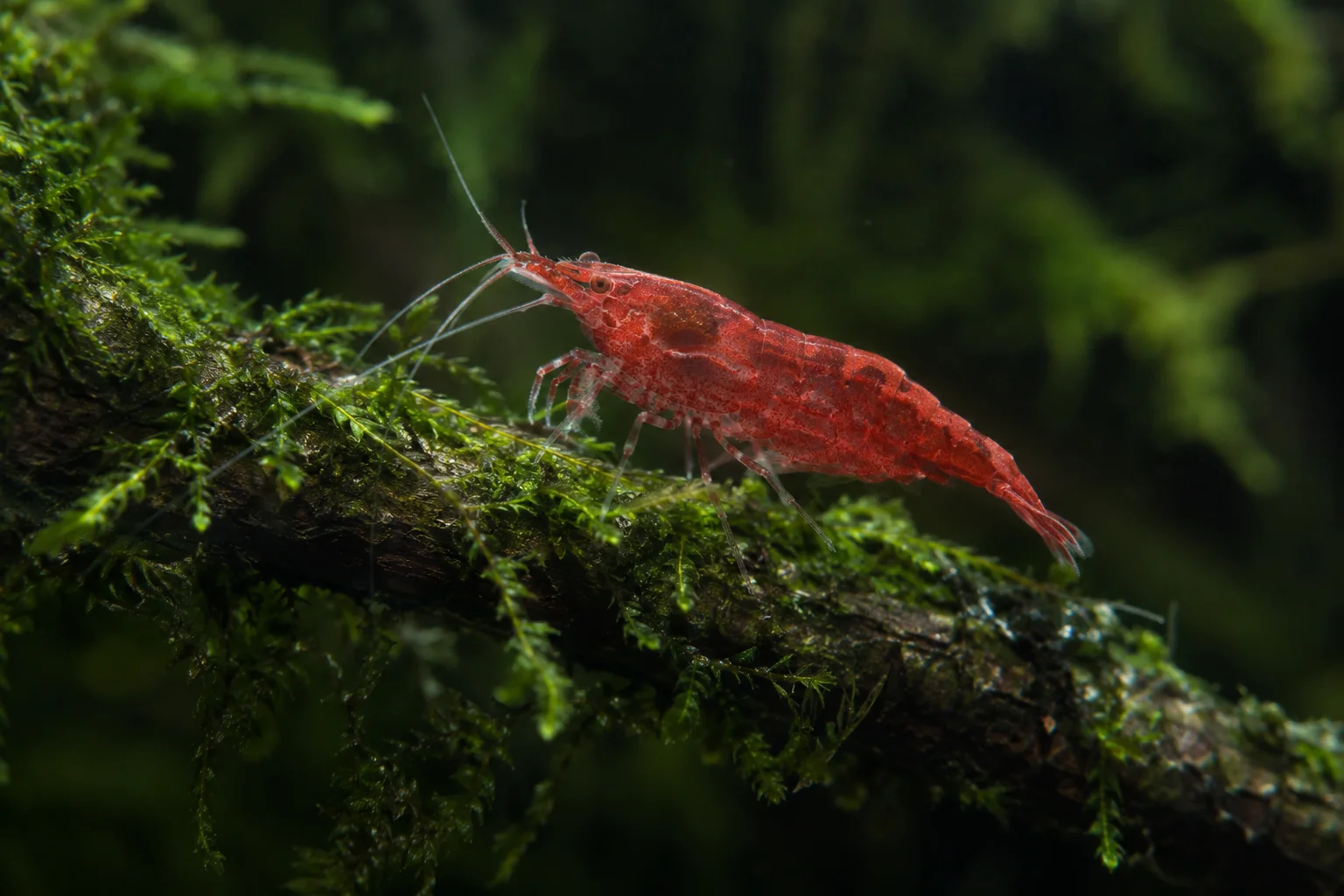
- Best for shrimp and fryHikari Bacto-Surge Foam Filter
Dense foam keeps baby shrimp and fry out of the riser while still offering plenty of biological surface.
- Best for large or heavily stocked tanksLustar Hydro-Sponge
A long-standing design available in large sizes, heavy enough to stay put in bigger tanks.
01
What a sponge filter aquarium setup does
A sponge filter is a block or cylinder of foam on a hollow riser tube. An air pump pushes air through airline tubing into the riser; as bubbles rise, they drag water with them, which pulls tank water through the sponge. The foam traps debris (mechanical filtration) and, more importantly, hosts the nitrifying bacteria that turn ammonia into nitrite and then nitrate (biological filtration). That second role is why a sponge filter works as the main filter in many tanks, as long as the tank has been properly cycled. If that step is new to you, read how to cycle a fish tank first.
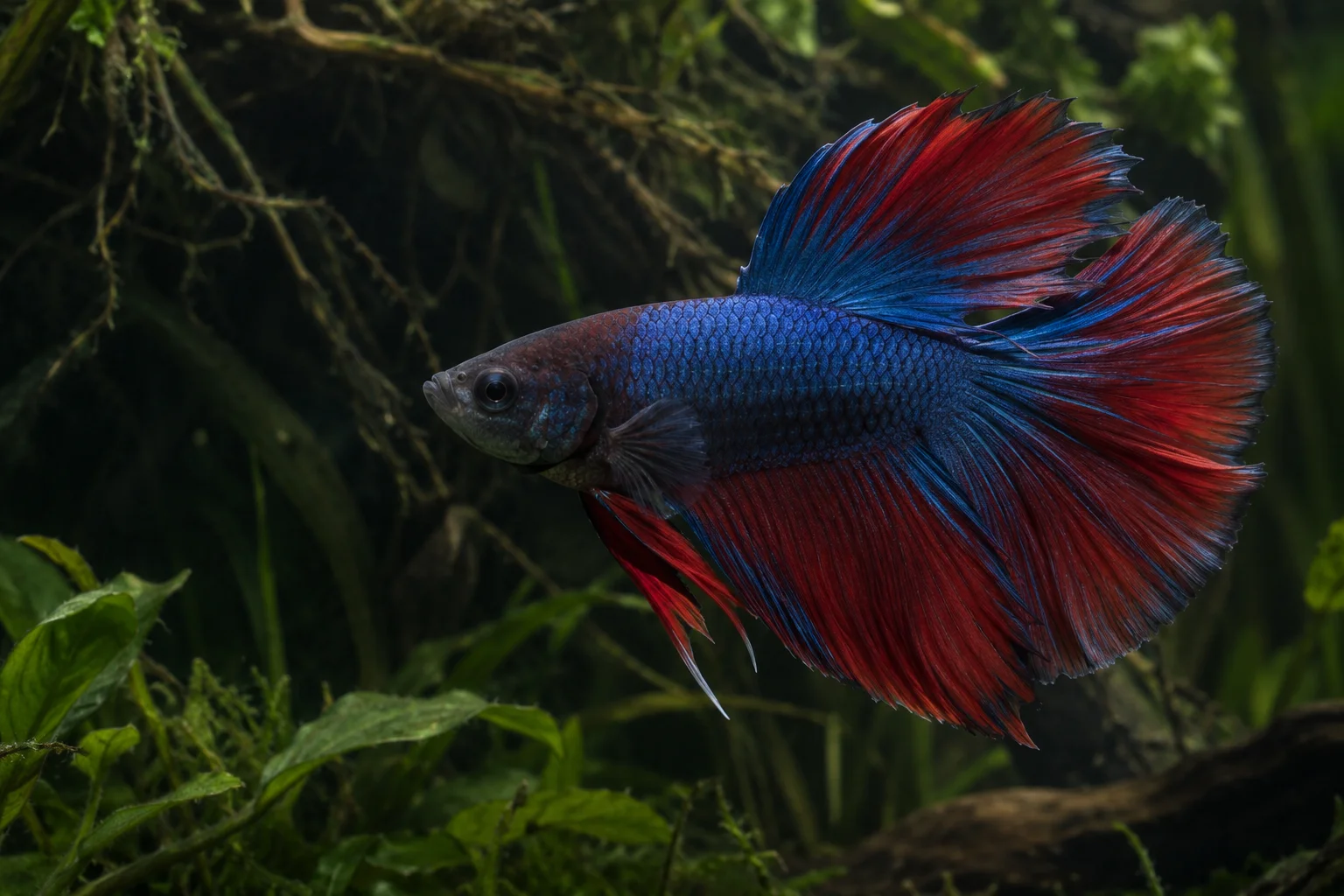
Sponge filters have no motor in the water and no intake slots, so nothing can suck in a cherry shrimp, a baby guppy or a long-finned betta fish. The flow is gentle and the bubbles add surface agitation, which helps oxygen exchange. The trade-offs are a visible piece of equipment in the tank, some bubbling noise from the air pump, and no room for chemical media such as activated carbon.
A sponge filter needs an air pump, airline tubing and ideally a check valve. If you do not own a pump yet, see our guide to the best aquarium air pump.
02
Comparison table
All six filters are air-driven and work with any standard aquarium air pump. The main differences are foam density, size range and build quality.
| Filter | Foam | Best for | Size range | Price |
|---|---|---|---|---|
| Aquarium Co-Op Coarse Sponge Filter | Coarse | Bettas, community tanks | Nano to about 40 gal | $$ |
| Hygger Double Sponge Filter | Medium to fine | 10–20 gal tanks | Several sizes | $ |
| Hikari Bacto-Surge Foam Filter | High density | Shrimp, fry | Mini to large | $$ |
| Lustar Hydro-Sponge | Medium | Large tanks, fish rooms | Several numbered sizes | $$ |
| Swiss Tropicals Poret Foam Filter | Selectable ppi | Breeders, planted tanks | Several shapes | $$$ |
| Aquaneat Bio Sponge Filter | Medium | Quarantine, backup | Small to large | $ |
Aquarium Co-Op · Single coarse sponge filter
Aquarium Co-Op Coarse Sponge Filter
Best for: Bettas, community tanks and most beginners
Aquarium Co-Op designed its sponge filter around coarse foam, which lets water and debris pass more freely than fine foam and therefore needs cleaning less often. The filter sits on a weighted base with a riser tube, and the company sells it in several sizes, from a nano version for small betta tanks to larger sizes for roughly 40 gallon tanks. An airstone can be fitted inside the riser to make the bubbles finer and quieter. It is not the cheapest option, but it is one of the most consistently recommended sponge filters in the US hobby.
Pros
- Coarse foam clogs slowly
- Weighted base stays in place
- Clear size range
- Easy to take apart and rinse
Cons
- Coarse foam traps less fine debris than dense foam
- Pricier than generic sponge filters
- Drive
- Air pump (sold separately)
- Foam
- Coarse
- Sizes
- Nano to large, about 40 gal max
- Airline
- Standard 3/16 in tubing
Hygger · Double sponge filter
Hygger Double Sponge Filter
Best for: 10 to 20 gallon community tanks on a budget
The Hygger double sponge filter puts two sponge cylinders on a single base with a shared riser, so one air line feeds twice the foam surface of a single sponge. That extra surface helps biological filtration in moderately stocked tanks. It is widely sold on Amazon in several sizes and is a common pick for 10 and 20 gallon setups. The foam is finer than coarse designs, so it traps more debris and needs rinsing more often. Check the listing for the exact parts included, as versions and sizes vary.
Pros
- Two sponges, more bacteria surface
- Affordable
- Several sizes available
- Fine foam polishes water
Cons
- Finer foam clogs faster
- Takes more floor space than a single sponge
- Parts differ between versions
- Drive
- Air pump (sold separately)
- Foam
- Medium to fine
- Sponges
- 2
- Typical tank size
- 10–20 gal (38–75 L), by model
Hikari · High-density foam filter
Hikari Bacto-Surge Foam Filter
Best for: Shrimp tanks, fry tanks and breeding setups
Hikari’s Bacto-Surge line uses a high-density foam that the company markets for strong biological filtration. The dense foam is the main reason shrimp and fish breeders like it: newborn shrimp and tiny fry cannot get pulled into the riser, and the surface stays covered in biofilm that baby shrimp graze on. The filter comes in several sizes, from small units for nano tanks to larger versions. Dense foam does trap fine particles quickly, so expect to rinse it more often than a coarse sponge in a tank with heavy feeders.
Pros
- Safe for newborn shrimp and fry
- Good biofilm grazing surface
- Recognized brand
- Several sizes
Cons
- Dense foam needs regular rinsing
- Can be harder to find than generic filters
- Drive
- Air pump (sold separately)
- Foam
- High density
- Sizes
- Mini to large, by model
- Best use
- Shrimp and fry
Lustar (ATI) · Classic weighted sponge filter
Lustar Hydro-Sponge
Best for: Larger tanks, fish rooms and heavily stocked setups
The Hydro-Sponge is one of the oldest sponge filter designs still on the market and is a staple of fish rooms. It comes in numbered sizes, the larger of which suit big tanks, and the heavy base keeps it from floating up when the sponge is full of air. The sponge slides over a strainer tube and can be removed for cleaning without taking the whole unit out of the tank. Its age shows in the simple look, but the design is proven and parts are standardized across sizes.
Pros
- Proven design
- Large sizes for big tanks
- Heavy, stable base
- Easy sponge removal
Cons
- Bulky in small tanks
- Availability of each size varies
- Drive
- Air pump (sold separately)
- Foam
- Medium
- Sizes
- Several numbered sizes
- Best use
- Medium to large tanks
Swiss Tropicals · Poret foam sponge filter
Swiss Tropicals Poret Foam Filter
Best for: Keepers who want to choose the exact foam grade
Swiss Tropicals builds sponge filters from Poret foam, a German-made reticulated foam known for consistent pore size and durability. You can pick the pore size (expressed in ppi, pores per inch) to match your tank: coarser foam for messy fish, finer foam for shrimp and fry. The filters are sold in different heights and shapes, including flat versions that sit in a corner. They cost more than mass-market sponges, but Poret foam keeps its shape for years and does not crumble like cheap foam can.
Pros
- High-quality, durable foam
- Choice of pore size
- Several shapes and heights
- Popular with breeders
Cons
- Higher price
- More choices can confuse beginners
- Drive
- Air pump (sold separately)
- Foam
- Poret, selectable ppi
- Shapes
- Cylinder, corner and flat
- Best use
- Shrimp, breeding and planted tanks
Aquaneat · Budget single sponge filter
Aquaneat Bio Sponge Filter
Best for: Quarantine tanks, hospital tanks and spare filters
Aquaneat sponge filters are among the cheapest on Amazon and are often bought in multipacks. They follow the standard design: a sponge, a riser tube and a weighted base. They work, and many keepers keep one running in the main tank so a cycled sponge is ready for a quarantine or hospital tank at any time. Build quality is basic: suction cups and plastic parts are less robust than on premium brands, and the foam may wear out sooner. For a backup or a temporary tank, that is an acceptable trade-off.
Pros
- Very low price
- Often sold in multipacks
- Ideal as a seeded spare filter
Cons
- Basic plastic parts
- Foam less durable than premium options
- Drive
- Air pump (sold separately)
- Foam
- Medium
- Sizes
- Small to large, by listing
- Best use
- Quarantine and backup
03
How we chose these sponge filters
This list is an editorial selection, not a lab test, and we do not claim to have measured flow rates ourselves. Filters were chosen on four criteria: the manufacturer’s declared design and size range, foam quality and durability as widely reported by keepers, availability in the US and on Amazon, and how consistently each model is recommended in established hobby communities and by breeders. Generic filters with unclear sizing or no brand support were left out.
04
Buying guide: what matters in a sponge filter
The foam is the filter. Coarse foam (roughly 10 to 20 ppi) lets water through easily and clogs slowly, which suits messy fish and lazy cleaners. Fine or high-density foam (around 30 ppi and up) traps smaller particles and protects newborn shrimp, but clogs faster. Many breeders use coarse foam in grow-out tanks and fine foam where babies hatch.
The size decides how much bacteria the filter can hold. Manufacturer ratings assume a moderate stock. For a heavily stocked tank or messy fish, choose one size up or run two sponge filters at opposite ends of the tank, which also gives you a spare when one needs cleaning.
- Air pump output: a pump that is too weak makes the filter barely move water, especially in tall tanks. Match the pump to tank depth and number of outlets.
- Check valve: stops water from siphoning back into the pump during a power cut.
- Airline control valve: lets you dial down bubbles for bettas or shrimp.
- Airstone in the riser: finer bubbles move water more quietly and often more efficiently.
- Weighted base: prevents the filter from tipping or floating up, a common issue with cheap units.
05
How to choose by tank size and use
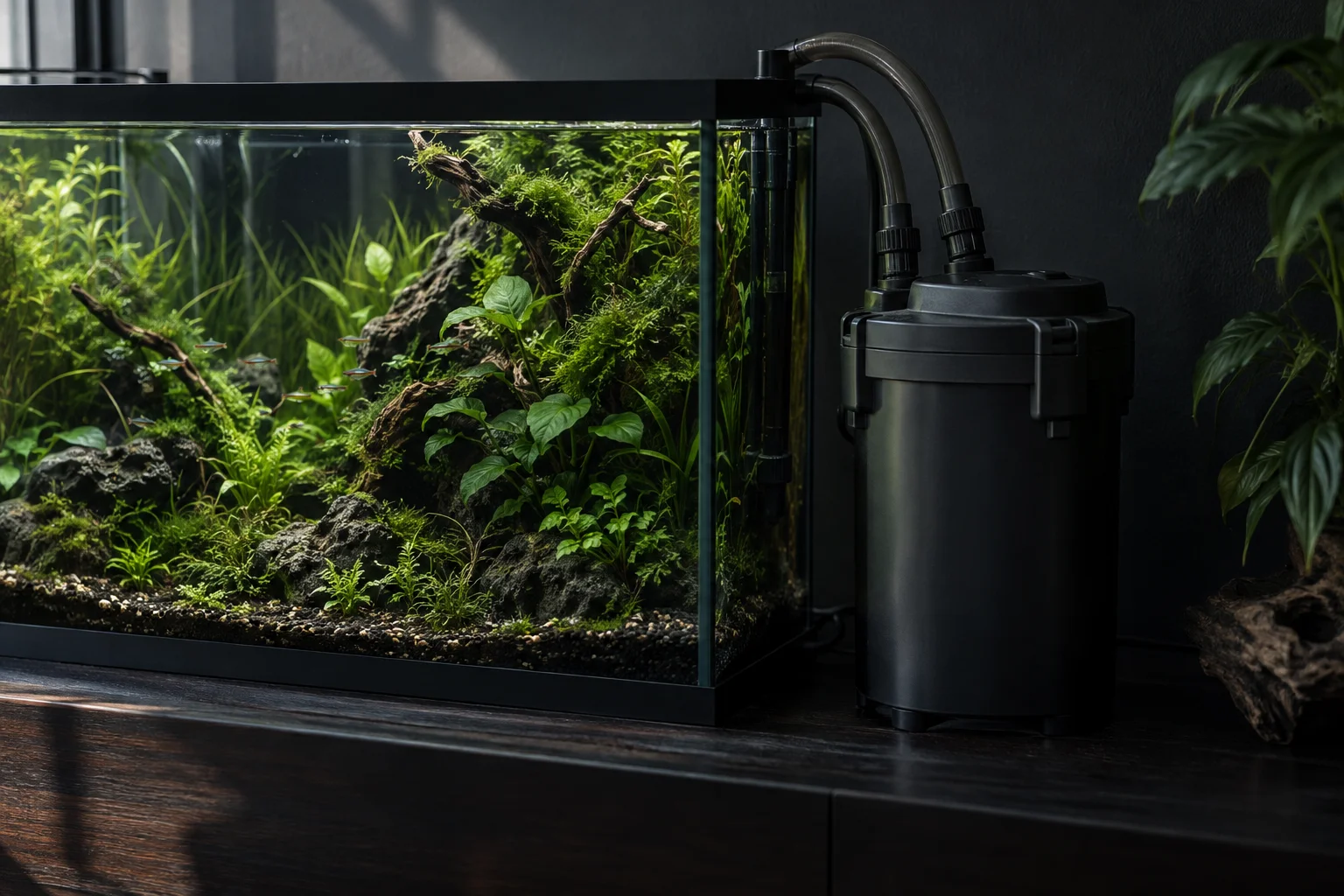
Sponge filters shine in small and medium tanks. Above roughly 40 gallons, most keepers either run two or three large sponges or combine a sponge with a hang-on-back filter or a canister filter for extra mechanical filtration. For an overview of every filter type, see our guide to the best aquarium filter.
| Setup | Recommended pick | Why |
|---|---|---|
| Betta tank (5–10 gal / 19–38 L) | Aquarium Co-Op Coarse (nano or small) | Gentle flow, easy cleaning, no fin damage |
| Shrimp tank (5–20 gal / 19–75 L) | Hikari Bacto-Surge or Swiss Tropicals fine Poret | Dense foam protects babies, biofilm for grazing |
| Community tank (20–40 gal / 75–150 L) | Hygger Double or Aquarium Co-Op Coarse (large) | More foam surface for a moderate bioload |
| Large tank (55 gal+ / 210 L+) | Two Lustar Hydro-Sponge units | Big biological capacity, add a mechanical filter |
| Quarantine or hospital tank | Aquaneat, kept seeded in the main tank | Cheap and instantly cycled when needed |
| Fry grow-out tank | Any coarse sponge with an airstone | Safe flow and good aeration |
Keep a spare sponge filter running in an established tank. When you need a quarantine tank, just move it over: it brings a cycled bacteria colony with it.
06
How to clean a sponge filter without killing the bacteria
How often depends on stock and foam. Most tanks need a rinse every 2 to 6 weeks; the sign is a drop in bubble output or debris building up on the surface of the sponge. If you have two filters, clean them on different weeks. For a full routine, see how to clean a fish tank.
- Turn off the air pump and lift the filter out slowly, keeping a container underneath to catch debris.
- Pull the sponge off the riser.
- Squeeze it several times in a bucket of water taken from the tank during your water change, never under hot or untreated tap water.
- Stop when the water runs mostly clear: a slightly brown sponge is fine and keeps more bacteria.
- Reassemble, put it back and restart the pump.
07
Common mistakes with sponge filters
Most sponge filter problems come from cleaning habits and air supply, not from the filter itself.
- Rinsing under tap water. Chlorine and chloramine kill the bacteria colony. If you must use tap water, treat it with a water conditioner first.
- Starting a new tank with a new sponge and full stock. A fresh sponge holds no bacteria yet, which leads to new tank syndrome.
- Skipping the check valve. A power cut can siphon water into the pump and onto the floor.
- Undersizing the air pump. Weak bubbles mean weak filtration, especially in tanks deeper than about 18 in (45 cm).
- Expecting crystal-clear water from a sponge alone in a big, messy tank. Large fish such as goldfish need more mechanical filtration.
08
Who should not rely on a sponge filter alone
Sponge filters are ideal for bettas, nano fish, shrimp, fry and quarantine tanks. They are less suited as the only filter for large, messy fish or for tanks where you want to run chemical media. In a heavily planted tank, the bubbles can also drive off some CO2, which matters if you inject it. If you keep shrimp with fish, check our list of shrimp tank mates and use a sponge filter as the base of the setup.
Frequently asked questions
Frequently asked questions
What is the best sponge filter for a fish tank?
For most freshwater tanks, the Aquarium Co-Op Coarse Sponge Filter is the safest recommendation: coarse foam that clogs slowly, a sturdy base and clear sizes up to about 40 gallons. The Hygger Double Sponge Filter is a good budget option, and Hikari Bacto-Surge suits shrimp and fry tanks thanks to its dense foam.
Are sponge filters good enough as the only filter?
Yes, in many tanks. A properly sized sponge filter provides strong biological filtration and enough mechanical filtration for small and moderately stocked tanks, bettas, shrimp and fry. For large or messy fish such as goldfish, combine it with a hang-on-back or canister filter, or run several large sponges.
Do sponge filters need an air pump?
Yes. A standard sponge filter is driven by air: the pump pushes air into the riser, and rising bubbles pull water through the foam. You also need airline tubing and ideally a check valve. Some keepers use a small powerhead instead of air, but the classic setup is air-driven.
How often should I clean a sponge filter?
Usually every 2 to 6 weeks, when bubble output drops or debris collects on the foam. Squeeze the sponge in old tank water during a water change, never under untreated tap water, and stop before it looks new: a slightly dirty sponge keeps more beneficial bacteria.
Is a sponge filter good for a betta?
It is one of the best choices. Bettas have long fins and come from slow water, so strong currents tire them. A sponge filter gives gentle flow, has no intake to trap fins and supports a stable bacteria colony. Use an airline valve to reduce bubbles if your betta struggles near the filter.
Sources and references
Written and reviewed by the handsoffmyhobby editorial team according to our editorial policy.