Where to start
Cherry shrimp care guide: tank, water, food and breeding
The classic beginner shrimp: hardy, colorful and easy to breed in a planted tank from 5 gallons.
Shrimp & snailsAmano shrimp care guide: size, diet, tank mates and algae control
The best algae-eating shrimp for community tanks, larger and longer-lived than cherry shrimp.
Shrimp & snailsNerite snail care guide: algae eating, eggs, lifespan and tank setup
A top algae-eating snail that will not overpopulate your tank.
Shrimp & snailsMystery snail care guide: tank size, water, food and eggs
A large, colorful and active snail that suits beginners and peaceful community tanks.
Shrimp & snailsShrimp tank mates: safe fish with shrimp and which to avoid
Which fish are safe with shrimp, which are risky and which will eat them.
Shrimp & snailsBest snails for algae: 6 algae eating snails compared
Nerite, mystery, ramshorn and more, compared for algae control and breeding risk.
01
Freshwater shrimp and snails: what this hub covers
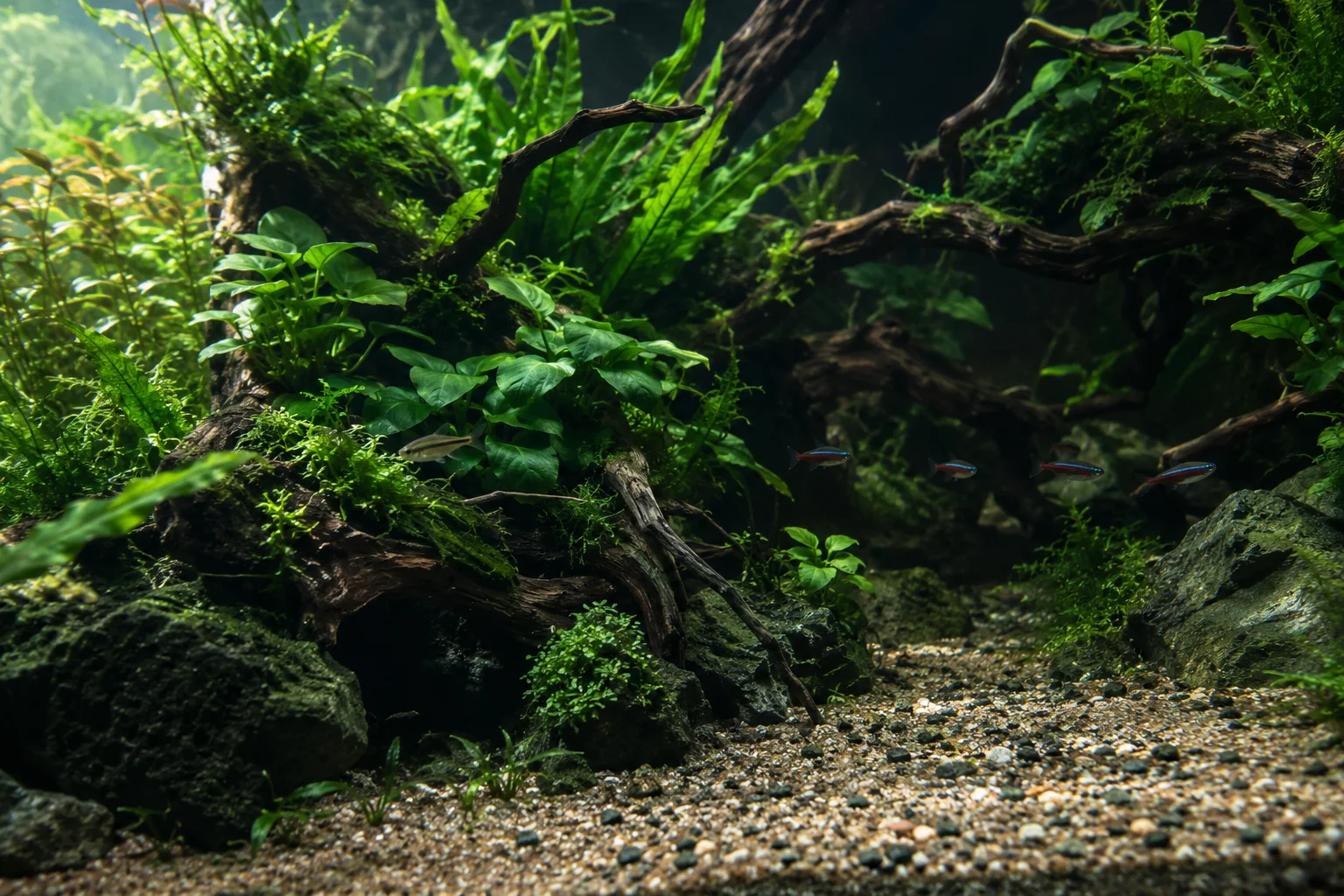
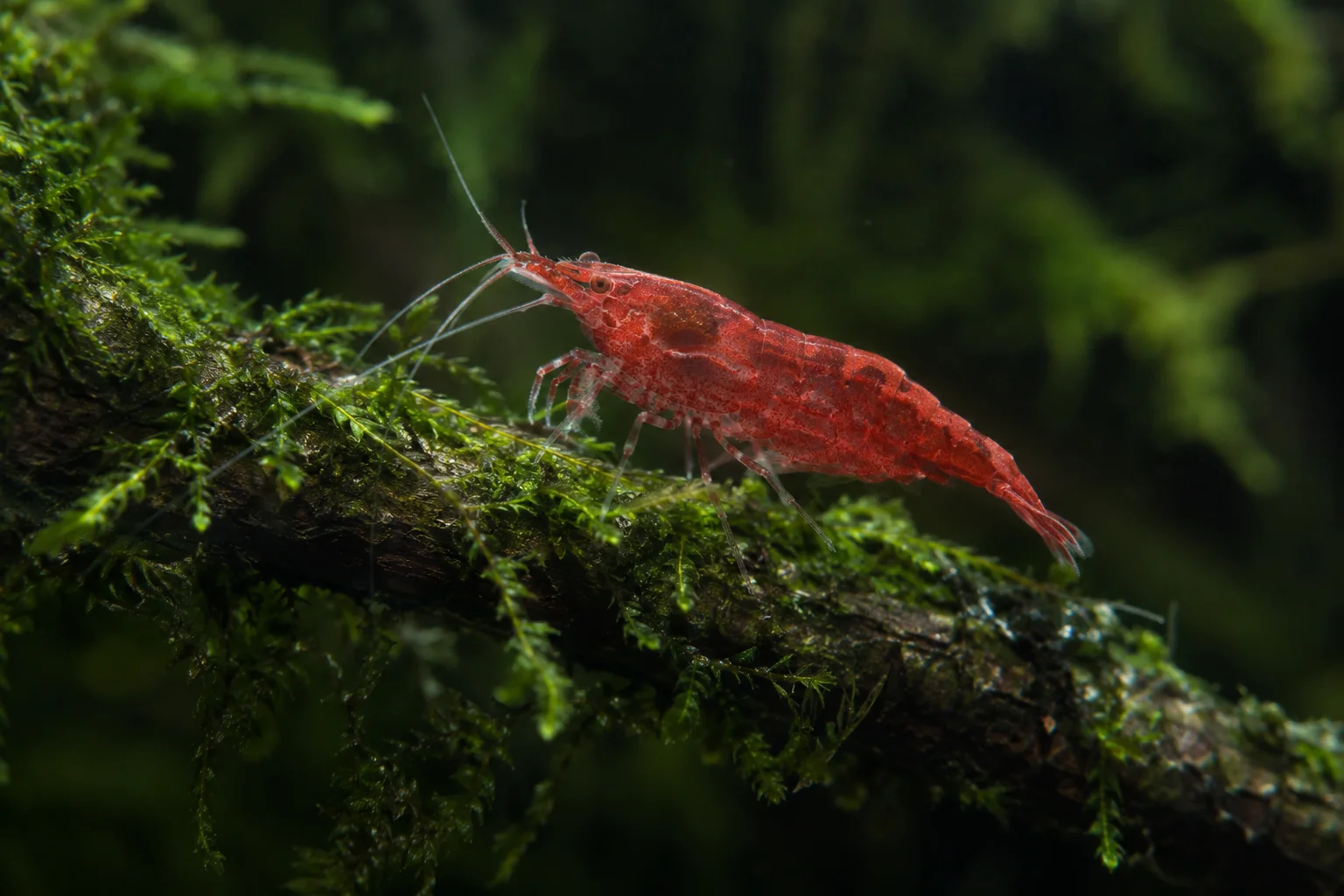
Invertebrates have become one of the fastest-growing corners of the freshwater hobby. A colony of red cherry shrimp grazing on moss, a few amano shrimp picking at hair algae or a zebra nerite snail cleaning the glass all bring something fish cannot: a clean-up crew that works all day and a small, fascinating ecosystem in its own right.
This section covers the freshwater aquarium shrimp and snails most keepers in the US actually find in stores, with species guides, tank mate advice and an algae-control comparison. Every guide uses the same structure: origin, size, tank size in gallons and liters, water parameters, diet, breeding and common problems.
02
Where to start: shrimp or snails?
If you want color and a colony that breeds on its own, start with cherry shrimp. They are hardy, cheap, breed in plain freshwater and thrive in tanks as small as 5 gallons. If your main goal is algae control, amano shrimp are the strongest algae eaters among common shrimp, though they will not reproduce in a home tank.
Snails are even easier. A nerite snail eats film algae on glass, rocks and leaves and cannot overrun your tank, because its eggs need brackish water to hatch. A mystery snail is larger, more active and very beginner-friendly, but it produces a lot of waste and lays visible egg clutches above the waterline. To compare all the options for algae, read our guide to the best snails for algae.
03
Water and tank basics for invertebrates
Shrimp and snails are more sensitive to water chemistry than most community fish. They need a tank that has finished the nitrogen cycle, so cycle the tank first and wait a few extra weeks for biofilm to grow before adding shrimp. Check our aquarium water parameters guide to read your test results.
Hardness matters more than for most fish: snails need calcium (GH) to build their shells, and shrimp need minerals to molt properly. Very soft water leads to pitted shells and failed molts.
- Ammonia and nitrite at 0 ppm, nitrate ideally under 20 ppm
- Stable temperature: big daily swings stress molting shrimp
- No copper: many fish medications and some plant fertilizers contain it
- Drip-acclimate new shrimp over 1–2 hours instead of a quick float
- A sponge filter or a pre-filter sponge on the intake so baby shrimp are not sucked in
Copper is lethal to shrimp and snails even at low levels. Always check the label before dosing a medication, algaecide or fertilizer in a tank with invertebrates.
04
Keeping invertebrates with fish
Almost any fish will eat a baby shrimp, and many will eat adults too. Small, peaceful fish such as otocinclus, ember tetras or celestial pearl danios are generally considered shrimp-safe, especially in a densely planted tank. Our guide to shrimp tank mates lists safe, risky and incompatible fish.
Snails are safer with fish, but loaches, puffers and some large cichlids eat them. A betta usually ignores nerite and mystery snails, while its reaction to cherry shrimp depends on the individual.
05
Gear for a shrimp tank
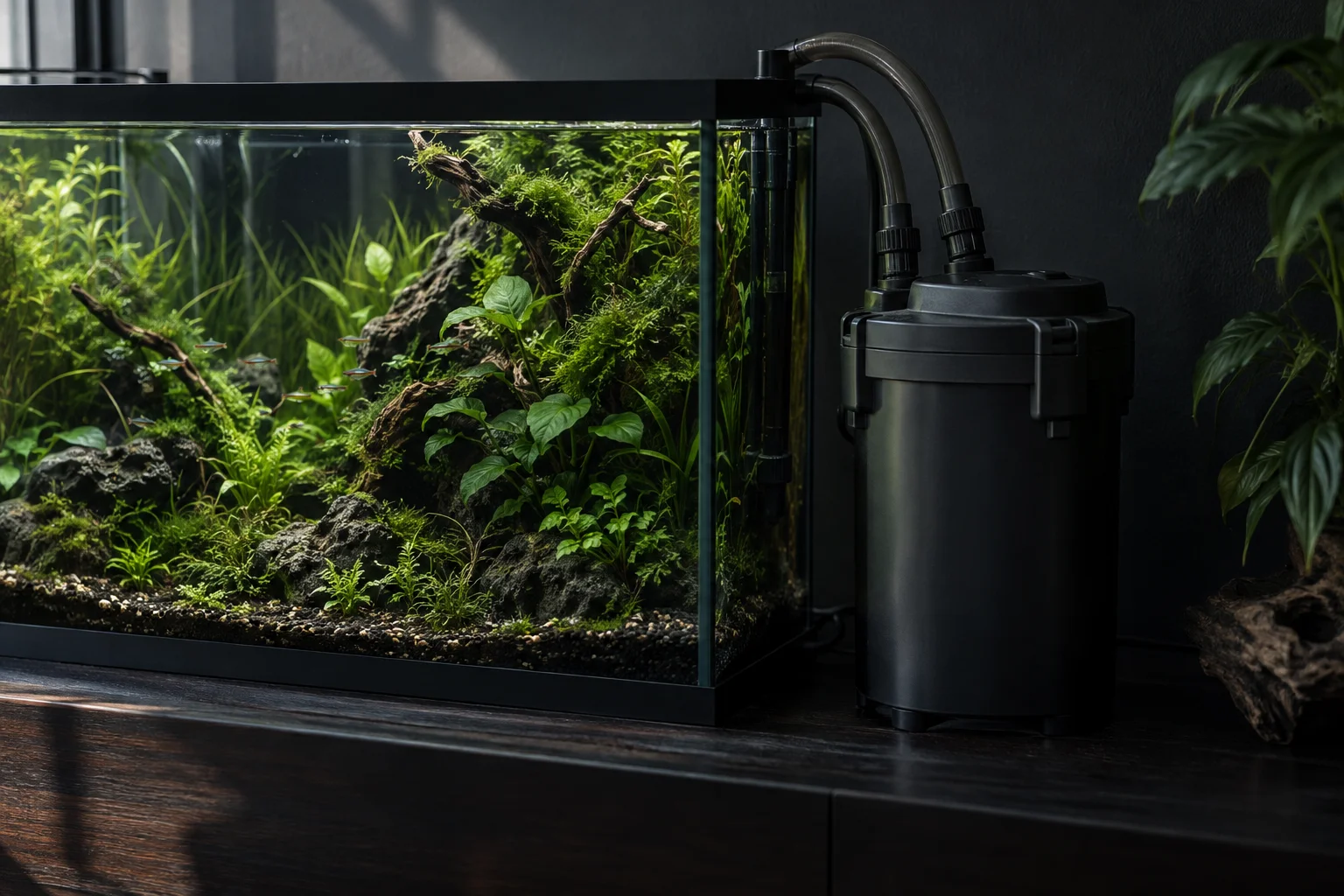
A shrimp tank needs little equipment, but the right choices help. A gentle sponge filter is the classic option because it is safe for shrimplets and grows biofilm they graze on. A good water conditioner removes chlorine and chloramine, and a liquid aquarium test kit helps you catch ammonia or nitrite before shrimp start dying. Easy plants like java fern and mosses give cover and extra grazing surface.
Every guide in this section
- 01Cherry shrimp care guide: tank, water, food and breeding
- 02Amano shrimp care guide: size, diet, tank mates and algae control
- 03Mystery snail care guide: tank size, water, food and eggs
- 04Nerite snail care guide: algae eating, eggs, lifespan and tank setup
- 05Best snails for algae: 6 algae eating snails compared
- 06Shrimp tank mates: safe fish with shrimp and which to avoid
Frequently asked questions
Frequently asked questions
What is the easiest freshwater shrimp for beginners?
The cherry shrimp (Neocaridina davidi) is the easiest freshwater shrimp for beginners. It tolerates a wide range of temperatures and pH, eats algae, biofilm and leftovers, and breeds readily in plain freshwater. Start with a group of about 10 in a cycled, planted tank of 5 gallons or more, with no large fish.
Can freshwater shrimp live with fish?
Yes, if the fish are small and peaceful. Otocinclus, ember tetras, celestial pearl danios and other nano fish are commonly kept with shrimp, although almost any fish will eat some baby shrimp. Avoid cichlids, goldfish, larger barbs and most loaches. Dense plants and moss give shrimp places to hide and molt.
Do aquarium snails and shrimp clean the tank?
They help, but they do not replace maintenance. Shrimp and snails eat algae, biofilm, leftover food and dead plant matter, which keeps the tank tidier. They still produce waste, so you need a filter, regular water changes and controlled feeding. Think of them as a clean-up crew, not a cleaning service.
Why do my shrimp keep dying?
The most common causes are an uncycled tank, sudden changes in water parameters, copper from medications or fertilizers, chlorine or chloramine in untreated tap water, and quick acclimation. Test ammonia, nitrite, GH and KH, use a water conditioner, change smaller amounts of water more often and drip-acclimate new shrimp slowly.
Written and reviewed by the handsoffmyhobby editorial team according to our editorial policy.