01
What Indian almond leaves are and what they do
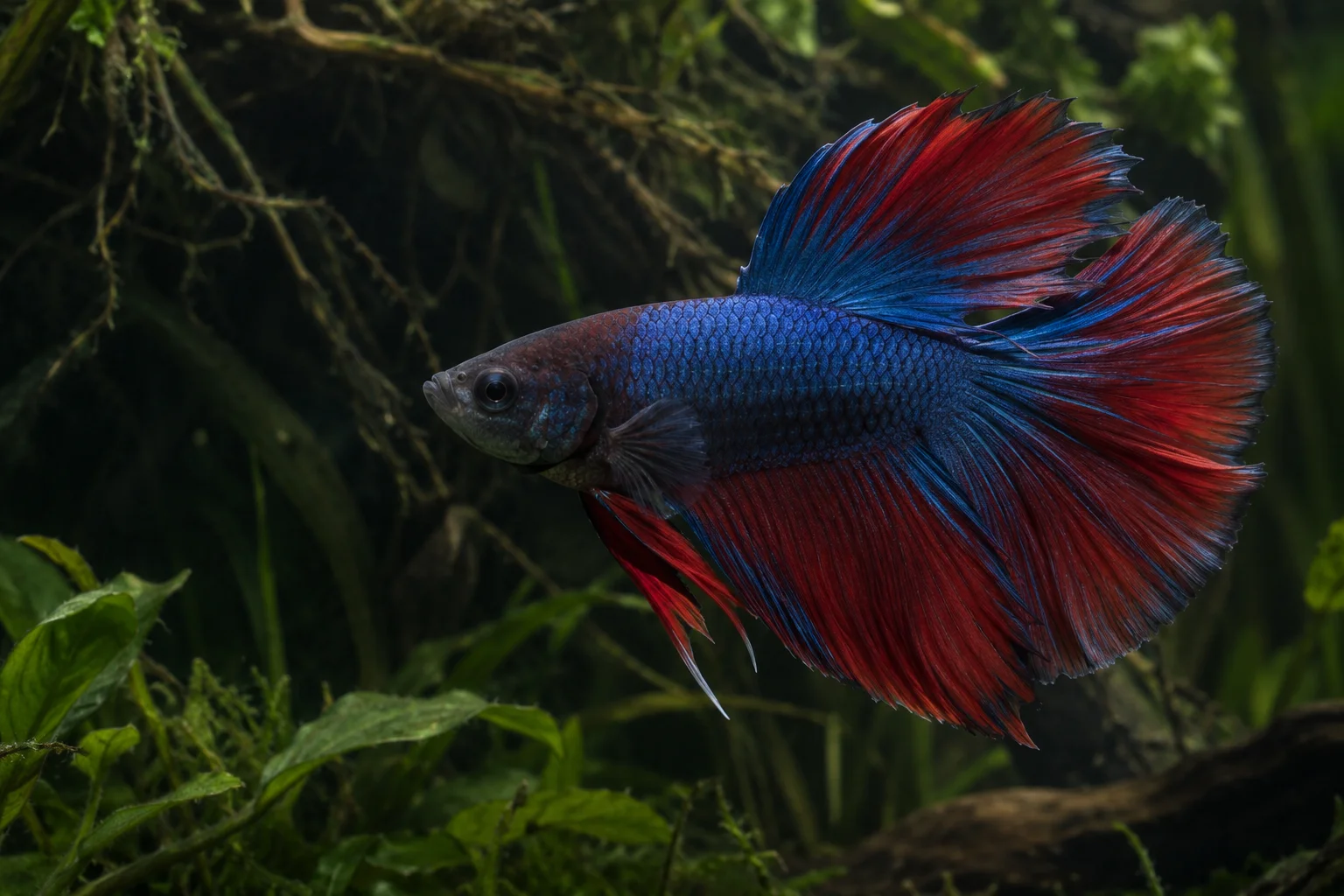
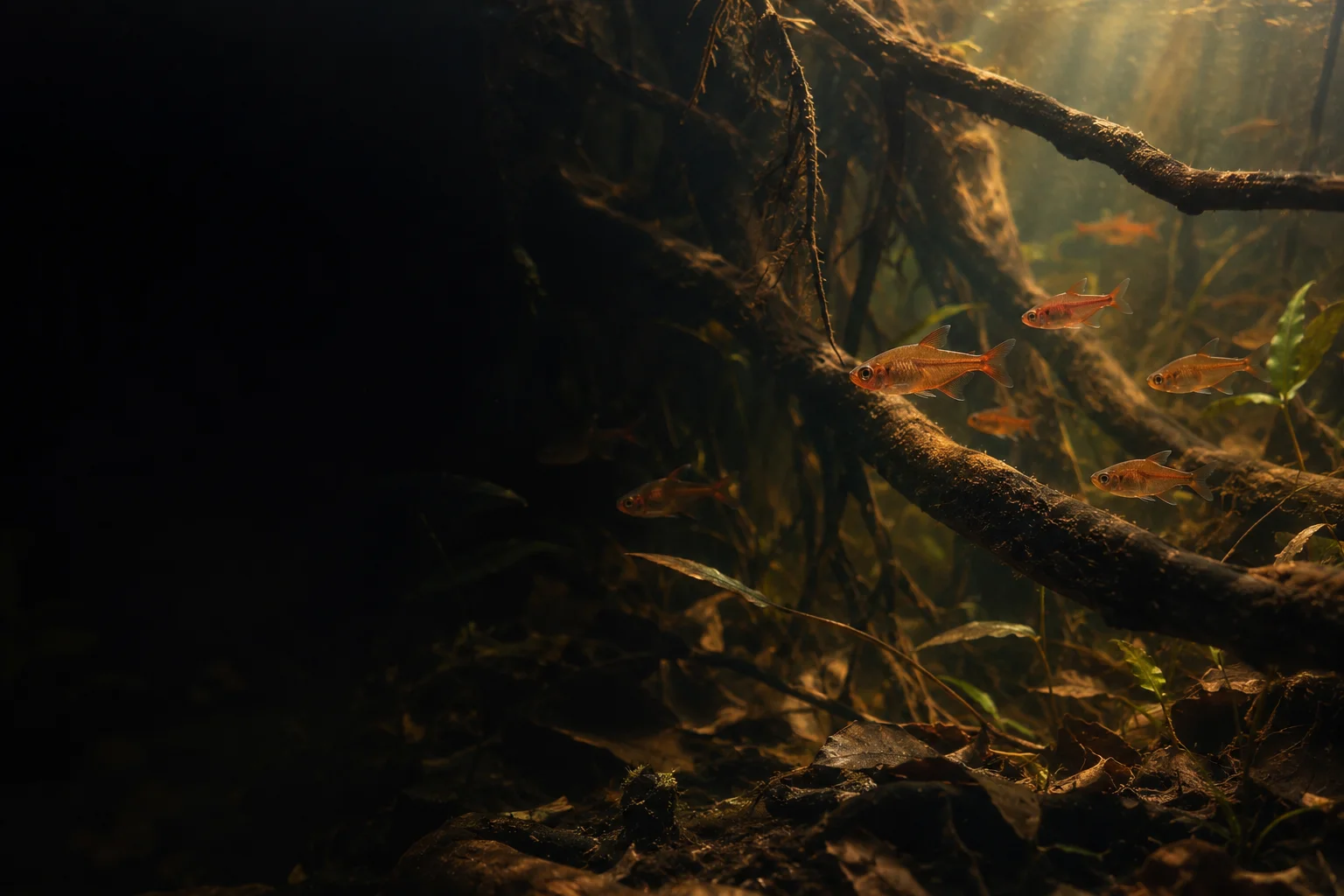
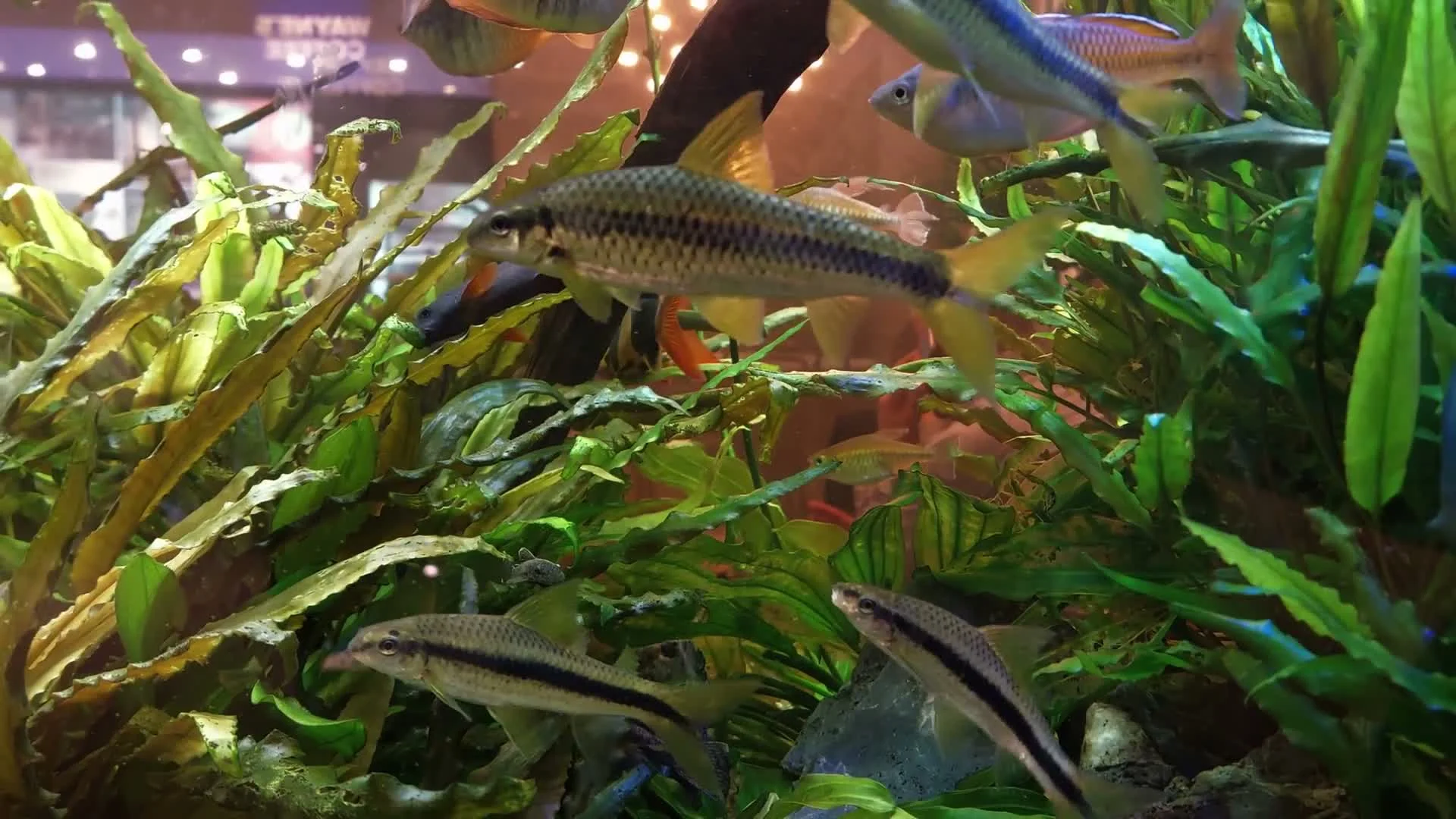
Indian almond leaves are the dried fallen leaves of Terminalia catappa, a tropical tree common across Southeast Asia. In the wild, leaves like these drop into slow streams, rice paddies and forest pools, where they stain the water the color of tea. That water, called blackwater, is the natural home of many popular aquarium fish, including the betta fish, many gouramis, Apistogramma and the cardinal tetra.
When a catappa leaf soaks in your aquarium, it slowly releases tannins and other humic substances. The visible effect is an amber tint. The less visible effects are a slight drop in pH and carbonate hardness when your water is soft, a light reduction in glare that makes shy fish feel safer, and a surface that grows biofilm, which shrimp and fry graze on.
You will often read that tannins in the aquarium are antibacterial and antifungal. Laboratory work on catappa leaf extracts has shown some antimicrobial activity, but the concentration from a few leaves in a home tank is far lower and has not been shown to treat disease. Treat Indian almond leaves as a way to make the environment more natural, not as medication.
02
Which fish and invertebrates benefit
Catappa leaves make the most sense for species that come from soft, acidic, tannin-stained water, and for tanks where you want a more natural, dimmer look.
| Tank type | Good fit? | Why |
|---|---|---|
| Betta and gourami tanks | Yes | Blackwater origin, leaves give resting spots and a calmer, dimmer tank |
| Soft-water tetras, rasboras, Apistogramma | Yes | Closer to natural water, often better color |
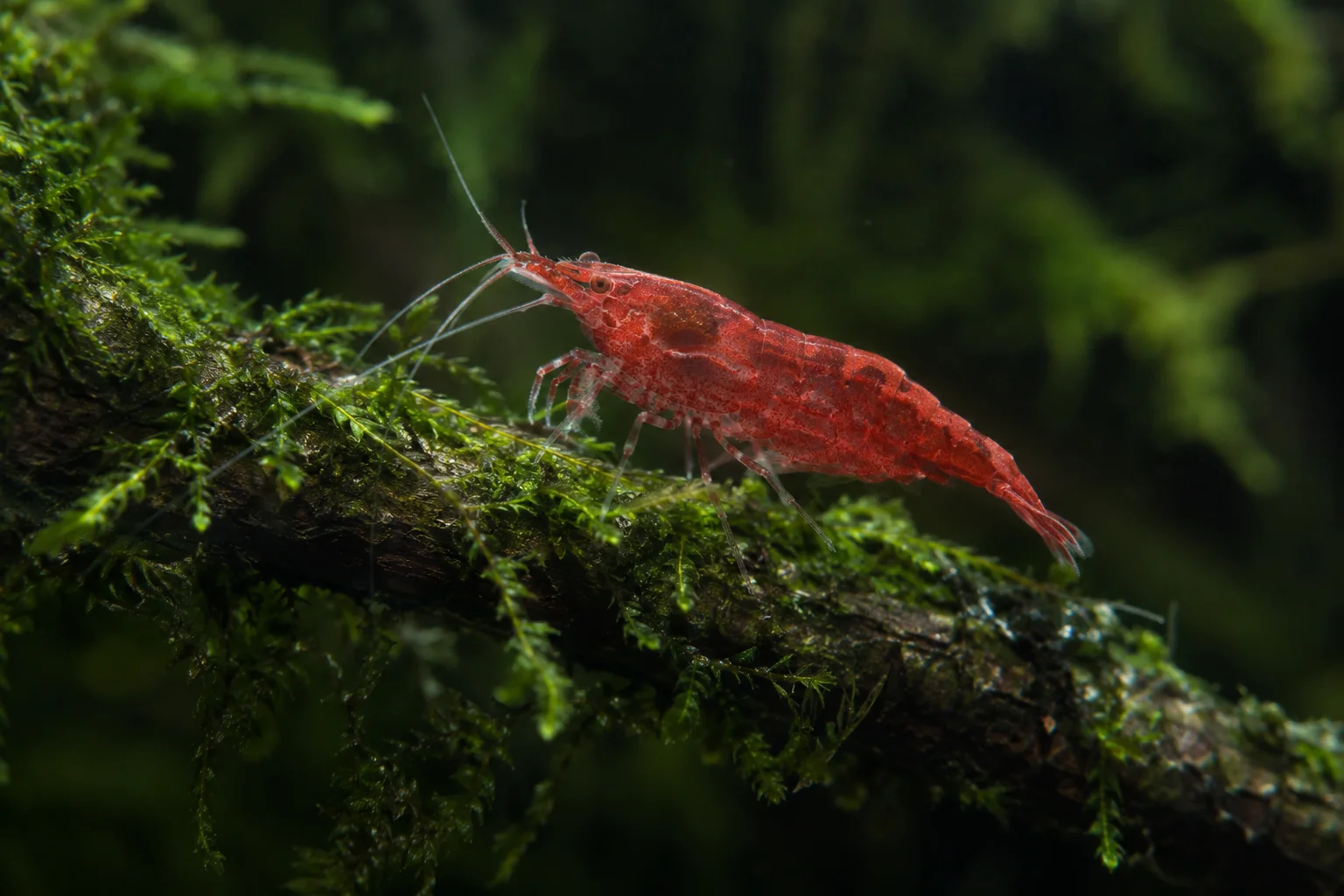
| Shrimp tanks (Neocaridina, Caridina) | Yes | Biofilm on the decaying leaf is a constant food source |
| Breeding and fry tanks | Yes | Cover and microfauna for fry; often used for betta and killifish spawning |
| Livebearers, goldfish | Neutral | Harmless in small amounts, but these fish prefer harder, neutral to alkaline water |
| African rift lake cichlids | No | They need hard, alkaline water; tannins work against that |
03
How to use Indian almond leaves step by step
The method below works for most community and betta tanks. Adjust the number of leaves to the color and pH you want rather than following a fixed rule.
- Buy leaves sold for aquarium use, or collect them only from trees you know are free of pesticides and road pollution.
- Rinse each leaf under lukewarm tap water to remove dust. Do not use soap.
- Optional: soak or briefly simmer the leaf for 5–10 minutes. This helps it sink and releases some tannins first, so you can control the tint.
- Start with one medium leaf (6–8 in, 15–20 cm) per 10–20 gallons (40–75 L). Break it into pieces for small tanks.
- Place the leaf on the substrate or let it float until it waterlogs and sinks after a day or two.
- Check pH after a week if you keep pH-sensitive species, using a liquid test kit.
- Replace or add a leaf when the old one is reduced to a skeleton, typically after 3–6 weeks. Shrimp keepers often leave the skeleton in as food.
For precise control, make a catappa tea: steep a few leaves in a jug of dechlorinated water for a day or two, then add the brown liquid during water changes. You get the tint and tannins without leaf debris in the tank.
04
How many leaves per gallon
There is no single correct dose, because the effect depends on leaf size, freshness and especially your water’s KH. In hard, well-buffered tap water, leaves mostly add color and barely move pH. In soft water with a low KH, several leaves can lower pH noticeably, so go gradually.
| Goal | Leaves (6–8 in / 15–20 cm) | Typical result |
|---|---|---|
| Light tint, general wellbeing | 1 per 15–20 gal (55–75 L) | Pale amber water, little pH change |
| Natural blackwater look | 1 per 5–10 gal (20–40 L) | Tea-colored water, slight pH drop in soft water |
| Betta spawning or fry tank | 1 small leaf per 3–5 gal (10–20 L) | Dark water, lots of cover and biofilm |
05
Effect on pH, water clarity and filtration
Tannins are weak acids. In soft water they can lower pH by a few tenths, sometimes more, which suits blackwater species. If you need a stable, deliberate pH change, read our guide on how to lower pH in an aquarium and keep an eye on the numbers listed in aquarium water parameters.
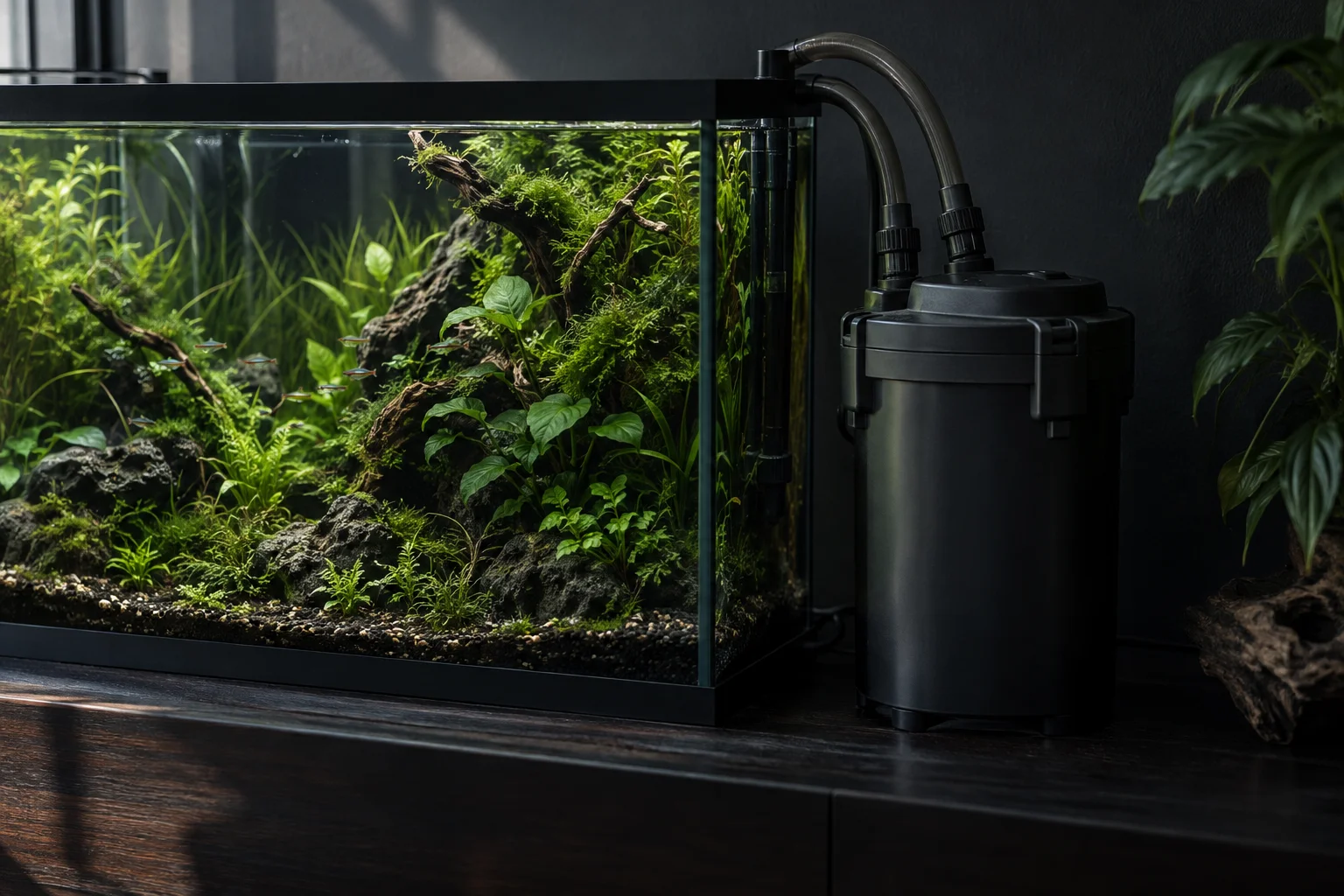
The brown tint is harmless. If you want the leaf benefits with clearer water, a small bag of activated carbon in the filter removes much of the color; our best aquarium filter guide explains which models take carbon inserts. Remove the carbon if you add medication later, since it absorbs most treatments.
A decaying leaf is organic matter. One or two leaves are easily handled by a cycled tank, but a heap of rotting leaves in a small, lightly filtered tank adds to the waste load. Keep up with your regular water changes and remove mushy leaf fragments when you vacuum.
06
Common mistakes
Catappa leaves are forgiving, but a few habits cause most of the disappointments.
- Expecting leaves to cure fin rot or fungus. Healing depends on clean water first; see our fin rot treatment guide.
- Adding many leaves at once to a soft-water tank and causing a quick pH swing.
- Using leaves in a tank that is not yet cycled and blaming them for cloudy water. Finish cycling the tank first.
- Collecting leaves near roads or treated gardens.
- Forgetting that carbon removes the tannins you just added.
07
When leaves are not enough
If a fish shows clamped fins, spots, frayed fins, rapid breathing or stops eating, test your water before anything else: ammonia and nitrite must read zero. Correct the water, then treat the specific problem with a proper medication following the label. For persistent or severe cases, contact an aquatic veterinarian.
For daily care, pair your leaves with a reliable dechlorinator from our best water conditioner review and a liquid test kit, and choose peaceful companions using our betta tank mates list if you keep a betta. Shrimp keepers can read our cherry shrimp care sheet.
Frequently asked questions
Frequently asked questions
Are Indian almond leaves good for betta fish?
Yes. Bettas come from tannin-stained, soft water, and catappa leaves recreate that environment, give the fish a place to rest near the surface and often encourage bubble nests. They are a nice extra, not a requirement. A heated, filtered and cycled tank of at least 5 gallons (20 L) matters far more than any leaf.
How long do Indian almond leaves last in a tank?
Most leaves release the bulk of their tannins in the first one to two weeks and break down over about 3–6 weeks, depending on temperature and how many shrimp or snails graze on them. Replace them when they are reduced to a skeleton, or simply add a new leaf every few weeks to keep the tint steady.
Do catappa leaves lower pH?
They can, but only noticeably in soft water with a low KH. In hard, well-buffered water, the effect is usually small and the main change is the color. If you keep pH-sensitive fish, add leaves gradually and test pH after a week rather than adding many at once.
Should I boil Indian almond leaves before using them?
It is not required. A rinse under lukewarm water is enough for leaves sold for aquariums. Boiling or simmering for a few minutes helps the leaf sink faster and releases part of the tannins outside the tank, which gives you more control over how brown the water becomes.
Can Indian almond leaves harm fish or shrimp?
In normal amounts they are safe for tropical fish, shrimp and snails. Problems come from excess: too many leaves in a small or soft-water tank can lower pH quickly and add organic waste. Leaves collected from polluted or sprayed trees are the other risk, so buy aquarium-grade leaves when in doubt.
Sources and references
Written and reviewed by the handsoffmyhobby editorial team according to our editorial policy.