Where to start
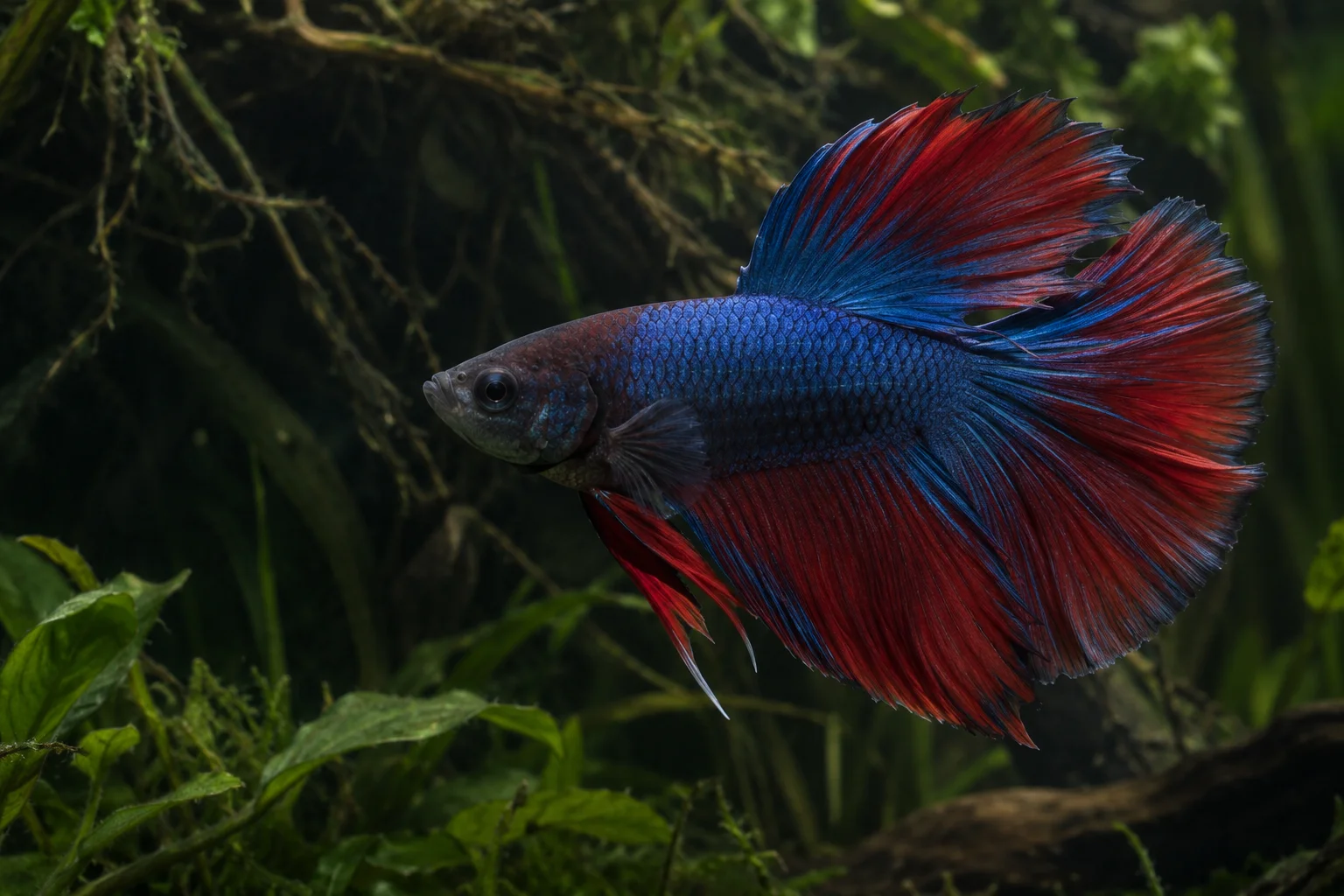
Betta tank mates: the complete list of what fish can live with a betta
The complete list for a single male betta: safe, risky and off-limits companions, with stocking plans from 10 gallons.
Tank matesAngelfish tank mates: compatible fish for a peaceful angelfish community
Peaceful, mouth-proof fish for a tall angelfish tank, and why neon tetras so often disappear.
Tank matesGoldfish tank mates: what can live with goldfish (and what can't)
Coldwater companions that cope with goldfish size, appetite and waste.
Tank matesGuppy tank mates: what can live with guppies in a community tank
Livebearer-friendly fish that leave long tails alone and share hard, warm water.
Tank matesCichlid tank mates: African, mbuna and South American compatibility
How to mix cichlids by origin, size and temperament without constant fighting.
Tank matesDiscus tank mates: compatible fish for a discus community tank
The short list of fish that tolerate the very warm, soft water discus need.
01
How to choose compatible aquarium fish
Fish compatibility is not about friendship. It is about avoiding four predictable conflicts, and every guide in this section checks the same points before recommending a tank mate.
The first is water. A tropical fish kept at 76–82 °F (24–28 °C) cannot share a tank with a goldfish, which does best below 74 °F (23 °C). Soft-water fish such as cardinal tetras and hard-water livebearers can both adapt, but not to the extremes of each other’s range. Our guide to aquarium water parameters explains what to measure.
The second is size. Most fish will eat anything that fits in their mouth. That is why small tetras and shrimp vanish in a tank with adult angelfish or larger cichlids, even when the angelfish looked peaceful at the store.
- Temperament: peaceful, semi-aggressive and territorial fish rarely mix well
- Fins: slow, long-finned fish (bettas, fancy guppies, angelfish) attract fin nippers
- Swimming level: pick fish for the bottom, middle and top so they do not compete for the same space
- Tank size: a combination that works in 55 gallons may fail in 20
02
Where to start: build around one centerpiece
The easiest way to plan a community is to choose one main fish first and build around it. Pick it from our list of centerpiece fish, open its tank mates guide below, and only then pick the supporting cast.
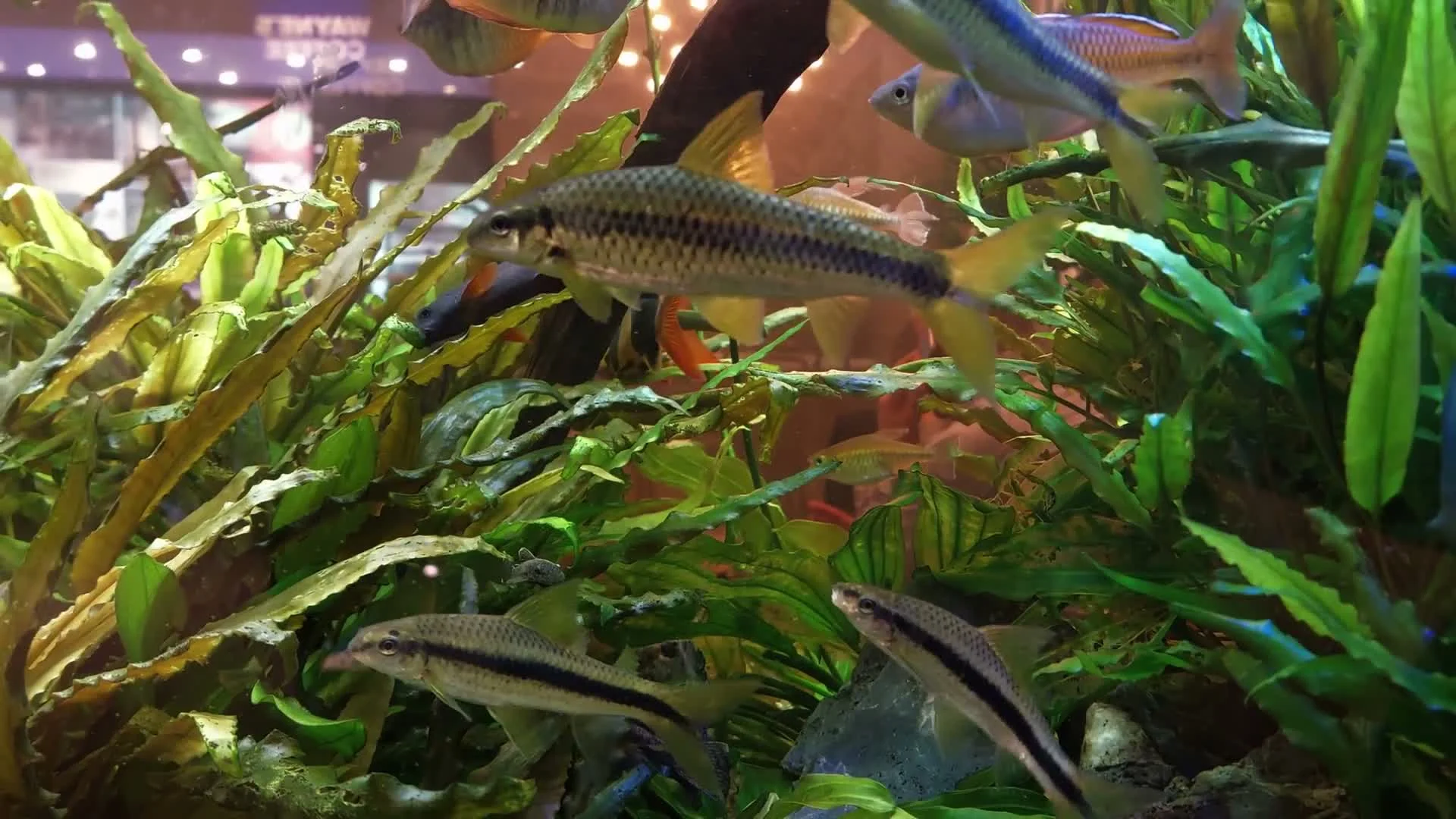
A typical tropical community has three layers: a centerpiece (a betta, a pair of angelfish, a gourami or a dwarf cichlid), a school of six or more small mid-water fish, and a few bottom dwellers such as corydoras. If you are still choosing, the peaceful community fish list is a good shortlist, and the beginner aquarium guide covers how many fish a new tank can take.
Add fish in small groups over several weeks, not all at once. A cycled tank can handle a gradual increase in waste, but a sudden jump in stocking is a classic trigger for ammonia spikes.
03
Quick fish compatibility chart
This chart summarizes the most common pairings. Each species guide gives the full detail, with stocking examples by tank size.
| Main fish | Usually good with | Usually avoid |
|---|---|---|
| Betta (male) | Nerite snails, pygmy corydoras, kuhli loaches, ember tetras | Other bettas, guppies, tiger barbs, gouramis |
| Angelfish | Corydoras, bristlenose pleco, rummy nose tetras, pearl gourami | Neon tetras, shrimp, tiger barbs, large cichlids |
| Goldfish | Other goldfish of similar type, hardy coldwater fish | Tropical fish, plecos, small fish that fit in the mouth |
| Guppy | Platies, corydoras, peaceful tetras, otocinclus | Fin nippers, bettas, larger predatory fish |
| Discus | Cardinal tetras, sterbai corydoras, rummy nose tetras | Fast or boisterous fish, coolwater species |
| Cichlids | Depends on origin: match lake or river, size and temperament | Mixing African and South American cichlids, tiny community fish |
04
The most common compatibility mistakes
Most failed communities come from a handful of repeat mistakes. Avoiding these solves the majority of aggression and disappearing-fish problems.
- Trusting the label "community fish": many shops apply it to tiger barbs, which nip almost every long-finned fish
- Buying juveniles without checking adult size: a 1-inch angelfish or pleco grows several times larger
- Keeping schooling fish in groups of two or three, which makes them stressed and often nippy
- Mixing coldwater and tropical fish to fill a tank quickly
- Adding a new fish without quarantine, which can introduce ich to the whole tank
Individual personality matters, especially with bettas and cichlids. Always have a plan B (a spare tank, a breeder box or a store that takes fish back) before you add a new companion.
Every guide in this section
- 01Betta tank mates: the complete list of what fish can live with a betta
- 02Angelfish tank mates: compatible fish for a peaceful angelfish community
- 03Goldfish tank mates: what can live with goldfish (and what can't)
- 04Cichlid tank mates: African, mbuna and South American compatibility
- 05Guppy tank mates: what can live with guppies in a community tank
- 06Discus tank mates: compatible fish for a discus community tank
Frequently asked questions
Frequently asked questions
What are the best aquarium tank mates for beginners?
Peaceful, hardy fish that share the usual tropical range of 75–80 °F (24–27 °C): corydoras, platies, harlequin rasboras, ember or rummy nose tetras and a bristlenose pleco in larger tanks. Keep schooling fish in groups of six or more and avoid fin nippers such as tiger barbs. Our best beginner fish guide lists more options by tank size.
Is there a fish compatibility chart I can trust?
General charts are a starting point, not a guarantee. Compatibility depends on tank size, the number of each fish and individual temperament. Use a chart to rule out obvious conflicts (water temperature, size, fin nipping), then read the tank mates guide for your main fish, which explains the cautions behind each pairing.
How many fish can I add at once?
In a newly cycled tank, add only a few fish at a time, then wait one to two weeks and test for ammonia and nitrite before the next group. Established tanks with mature filters handle larger additions, but a gradual approach is still safer and lets you spot aggression early.
Can I keep different species of schooling fish together?
Yes, as long as each species has its own group of at least six and they share water needs. Different tetras and rasboras usually ignore each other. Two small groups of three are worse than one solid group of six, because undersized schools are more stressed and more likely to nip.
Written and reviewed by the handsoffmyhobby editorial team according to our editorial policy.