Our picks at a glance
- Best overallEheim Jager
Long-standing, reliable glass heater with a calibratable dial and dry-run protection.
- Best electronic heaterFluval E Series
Digital display of water temperature with color alerts when the tank drifts out of range.
- Most durableAqueon Pro Adjustable Heater
Shatter-resistant body and electronic thermostat, a good choice around kids or large fish.
- Best with external controllerHygger Titanium Heater with Controller
Unbreakable titanium element and an outside-the-tank digital controller you can read and adjust at a glance.
01
Why the best aquarium heater is about reliability, not features
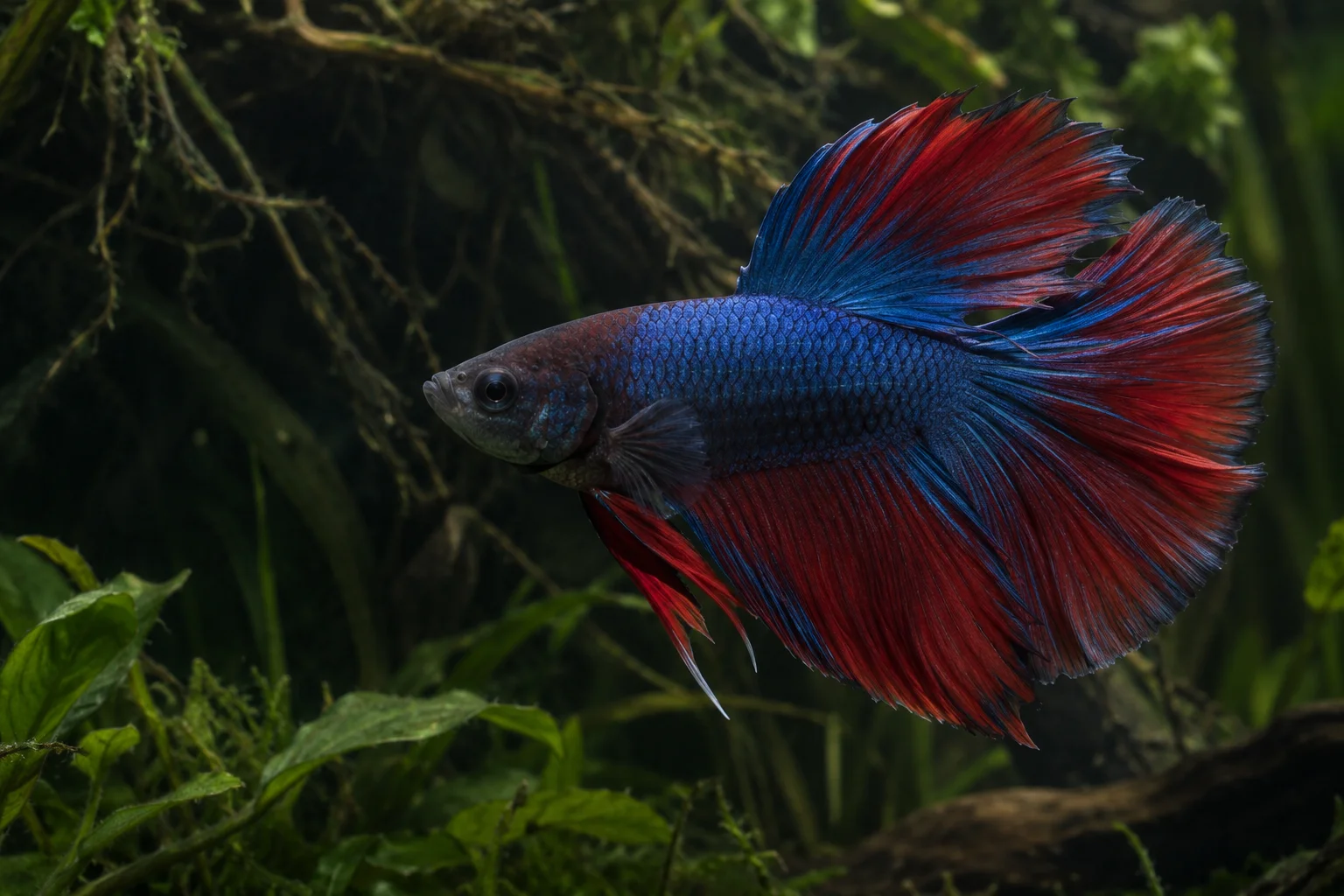
Tropical fish are cold-blooded: their metabolism, immune system and appetite all follow water temperature. Most community species do best between 75 and 80 °F (24–27 °C), and a betta fish prefers 78 to 82 °F (25.5–28 °C). Swings of several degrees in a day stress fish and are a classic trigger for ich. Our guide to fish tank temperature lists the right range for each group of fish.
A heater has one job: switch on when the water is too cold and switch off when it reaches the set point. The danger is a thermostat that sticks in the on position, which can overheat a small tank in hours. That is why this guide favors brands with a long track record, built-in safety features and the option of adding an external controller, rather than the cheapest heater with the most buttons.
Never trust the dial alone. Always check the real water temperature with a separate thermometer. See our guide to the best aquarium thermometer.
02
Comparison table
All six heaters are fully submersible and suit freshwater tanks. The differences are construction, how you set and read the temperature, and the price.
| Heater | Body | Temperature setting | Display | Price |
|---|---|---|---|---|
| Eheim Jager | Glass | Calibratable dial | No | $$ |
| Fluval E Series | Plastic guard | Digital buttons | Yes, LCD | $$$ |
| Aqueon Pro Adjustable Heater | Shatter-resistant | Electronic knob | Indicator light | $$ |
| Cobalt Aquatics Neo-Therm | Flat, shatter-resistant | Electronic | Indicator | $$ |
| Hygger Titanium Heater with Controller | Titanium | External controller | Yes, on controller | $$ |
| Fluval M Series | Mirrored glass | Dial | No | $$ |
Eheim · Submersible glass heater with dial thermostat
Eheim Jager
Best for: Most freshwater tanks from 10 to 75 gallons
The Jager (Jäger in Germany) is one of the most widely recommended heaters in the hobby. It is a fully submersible glass heater with a temperature dial on top that can be recalibrated against a reliable thermometer, which helps when the factory setting is off by a degree or two. A thermal safety feature shuts the heater off if it runs dry, for example during a water change. It is available in sizes from 25 to 300 watts. The glass body needs gentle handling, and large or boisterous fish can knock it against decor.
Pros
- Proven reliability over many years
- Calibratable dial
- Dry-run shutoff
- Wide wattage range
Cons
- Glass can break if knocked
- No digital temperature display
- Type
- Submersible glass
- Thermostat
- Dial, calibratable
- Wattages
- 25–300 W
- Safety
- Dry-run shutoff
Fluval · Electronic heater with LCD display
Fluval E Series
Best for: Keepers who want to see the water temperature at a glance
The Fluval E Series is an electronic heater with a built-in LCD that shows the water temperature measured by the heater, and the display changes color when the temperature moves away from the set point. Push buttons set the temperature precisely, and a plastic guard around the element reduces the risk of fish touching the hot surface. It comes in several wattages for small to large tanks. It is bulkier than slim glass heaters and sits higher in price, but it removes most of the guesswork.
Pros
- Clear temperature display
- Color alert when temperature drifts
- Protective guard
- Precise electronic setting
Cons
- Bulky in small tanks
- More expensive than dial heaters
- Type
- Submersible electronic
- Thermostat
- Digital, with LCD
- Wattages
- Several sizes, about 50–300 W
- Safety
- Fish guard, temperature alert
Aqueon · Shatter-resistant electronic heater
Aqueon Pro Adjustable Heater
Best for: Large or active fish, homes with kids, tanks moved often
The Aqueon Pro uses a shatter-resistant body instead of glass, so a knock from a large cichlid or a dropped heater during maintenance is far less likely to end in broken glass. The electronic thermostat is set with an adjustable knob, an indicator light shows when it is heating, and an automatic shutoff protects it if it runs dry. It is a common choice for mid-size and large community tanks. Keepers occasionally report thermostats drifting over time, which is a good reason to pair any heater with a thermometer.
Pros
- Shatter-resistant body
- Electronic thermostat
- Heating indicator light
- Automatic shutoff
Cons
- No temperature display
- Dial markings are not very precise
- Type
- Submersible, shatter-resistant
- Thermostat
- Electronic, knob adjustment
- Wattages
- Several sizes, about 50–300 W
- Safety
- Automatic shutoff
Cobalt Aquatics · Slim electronic heater
Cobalt Aquatics Neo-Therm
Best for: Nano, betta and planted tanks where space is tight
The Neo-Therm is a flat, compact heater with an electronic thermostat, designed to tuck behind plants or hardscape. Its slim profile makes it popular for betta tanks, nano tanks and aquascapes where a thick glass tube would be distracting. Cobalt sells it in sizes from small units for a few gallons up to models for larger tanks. It is also designed to be shatter-resistant. Like other compact heaters, it should be placed where water flows past it so heat spreads evenly through the tank.
Pros
- Very slim and discreet
- Electronic thermostat
- Shatter-resistant design
- Small sizes for nano tanks
Cons
- Fewer large sizes than some competitors
- Harder to find in big-box stores
- Type
- Submersible, flat profile
- Thermostat
- Electronic
- Wattages
- Several sizes, about 25–300 W
- Best use
- Nano, betta, planted tanks
Hygger · Titanium heater with external digital controller
Hygger Titanium Heater with Controller
Best for: Large tanks, sumps and keepers who want an outside display
Hygger sells titanium heating elements paired with a digital controller that sits outside the tank. A temperature probe in the water tells the controller when to switch the element on and off, and the display shows both the set and actual temperature. Titanium will not shatter, which suits large fish, sumps and tanks with heavy decor. The setup has more cables than an all-in-one heater, and the probe must stay submerged in good flow, otherwise the controller reads the wrong temperature.
Pros
- Unbreakable titanium element
- External display and controls
- Separate probe for accurate reading
- Good value for large tanks
Cons
- More cables to manage
- Probe placement matters
- Type
- Titanium element + controller
- Thermostat
- External digital controller
- Wattages
- Several sizes, by listing
- Safety
- Probe-based control
Fluval · Slim glass heater with mirrored finish
Fluval M Series
Best for: Display tanks where you want the heater to disappear
The Fluval M Series has a mirrored finish that reflects the surrounding plants and decor, so the heater blends into the tank instead of standing out as a black or clear tube. It is a fully submersible glass heater with a dial thermostat and comes in several wattages. It suits planted community tanks and aquascapes where appearance matters. Like any glass heater, it should be unplugged before you lift it out of the water and handled carefully during maintenance.
Pros
- Mirrored finish blends in
- Slim design
- Simple dial setting
Cons
- Glass body
- No temperature display
- Type
- Submersible glass, mirrored
- Thermostat
- Dial
- Wattages
- Several sizes
- Best use
- Planted and display tanks
03
How we chose these heaters
This list is an editorial selection based on manufacturer specifications and the hobby’s long-standing experience, not a lab test, and we do not claim to have measured accuracy ourselves. We looked at four criteria: safety features declared by the manufacturer (dry-run shutoff, shatter resistance, guards), how the temperature is set and read, availability in the US and on Amazon, and how consistently each heater is recommended in established hobby communities. Unbranded heaters with vague specifications were left out, because a heater failure can be fatal.
04
How many watts do you need?
A common rule of thumb is 3 to 5 watts per US gallon (roughly 1 watt per liter). Use the higher end if the room is cold or the tank has no lid, the lower end in a warm house. Oversizing a heater does not heat faster in a dangerous way when the thermostat works, but it makes a stuck-on failure much worse, so stay close to the recommended size.
| Tank size | Suggested wattage | Notes |
|---|---|---|
| 5 gal (19 L) | 25 W | Typical betta tank |
| 10 gal (38 L) | 50 W | Common starter tank size |
| 20 gal (75 L) | 75–100 W | Long tanks heat more evenly with good flow |
| 29–40 gal (110–150 L) | 100–150 W | One heater near the filter outlet |
| 55 gal (210 L) | 200–250 W | Or two 100–150 W heaters |
| 75 gal+ (285 L+) | 2 × 150–200 W | Two heaters at each end for redundancy |
In tanks above about 55 gallons, two smaller heaters are safer than one large one: if one sticks on, it cannot overheat the tank as fast, and if one fails off, the other keeps the water from crashing.
05
Buying guide: what matters in a fish tank heater
Buy the heater at the same time as the tank and filter. If you are still at that stage, our beginner aquarium guide and the review of the best 10 gallon aquarium cover the full shopping list.
- Body material: glass is cheap and proven but can crack; shatter-resistant plastic and titanium are safer with big or active fish.
- Thermostat accuracy: look for a calibratable dial or a digital setting, and verify with a thermometer either way.
- Safety features: automatic shutoff when out of water and a fish guard are worth having.
- Display: an electronic display is convenient, but it shows the heater’s own reading, so keep an independent thermometer.
- Size and shape: slim or flat heaters hide better in nano and planted tanks.
- External controller: a plug-in controller with its own probe, such as the widely used Inkbird models, adds a second layer of protection against a stuck heater.
06
How to choose by tank and fish
Not every tank needs a heater. Coldwater fish such as goldfish do well at room temperature in most homes, and heating them only speeds up their metabolism. Tropical community fish, bettas, shrimp in cool homes and especially warm-water species such as discus (82–86 °F, 28–30 °C) need reliable heating.
| Setup | Recommended pick | Why |
|---|---|---|
| Betta or nano tank (2.5–10 gal) | Cobalt Neo-Therm or Eheim Jager 25–50 W | Small, slim, accurate |
| Community tank (20–55 gal) | Eheim Jager or Fluval E Series | Reliable thermostat, easy to read |
| Large tank (75 gal+) | Two Aqueon Pro or a Hygger titanium set | Redundancy and durability |
| Cichlids and big fish | Aqueon Pro or Hygger titanium | Shatter-resistant bodies |
| Planted display tank | Fluval M Series or Neo-Therm | Blends in visually |
| Discus tank | Fluval E Series plus external controller | Precise high temperature with backup |
07
Installing and using a heater safely
When you add new water during an aquarium water change, match its temperature to the tank within about 2 °F (1 °C). The same applies when acclimating fish after a trip home from the store.
- Place the heater where water flows past it, ideally near the filter outlet, so heat spreads evenly.
- Mount it diagonally or as the manual describes, fully below the water line for submersible models.
- After filling the tank, wait 15 to 30 minutes before plugging in a glass heater so the glass adjusts to water temperature.
- Set the temperature, then check with a thermometer over the next 24 hours and adjust the dial if needed.
- Always unplug the heater 15 to 30 minutes before a water change or before lifting it out of the water.
- Use a drip loop on the power cord so water cannot run along it into the outlet.
08
Common mistakes with aquarium heaters
Heater failures are rare but serious, and most of them can be prevented.
- Running a heater out of water. Unless the model has dry-run protection, this can crack the glass or burn out the element.
- Buying a huge heater for a small tank. If the thermostat sticks, a 300 W heater in 10 gallons overheats the water very fast.
- Placing the heater in a dead spot. Without flow, the area around the heater warms while the rest of the tank stays cold.
- Skipping a thermometer. Dials and built-in displays can drift by a few degrees.
- Keeping a cracked or old heater. Replace any heater with a crack, condensation inside, or erratic behavior. Many keepers replace heaters every few years as a precaution.
Frequently asked questions
Frequently asked questions
What is the best aquarium heater?
The Eheim Jager is the most widely recommended all-round heater thanks to its proven reliability, calibratable dial and dry-run shutoff. The Fluval E Series is the best electronic option with a temperature display, and the Aqueon Pro is the most durable choice for large or active fish. Whatever you choose, verify the temperature with a separate thermometer.
What size heater do I need for my fish tank?
Plan on about 3 to 5 watts per US gallon: 25 W for 5 gallons, 50 W for 10 gallons, 100 W for 20 to 30 gallons and around 200 to 250 W for 55 gallons. Above 75 gallons, two heaters split between the ends of the tank are safer and heat more evenly.
Should an aquarium heater be on all the time?
Yes, leave it plugged in. The built-in thermostat switches the element on and off to hold the set temperature, so it only heats when needed. Unplug it only for maintenance, at least 15 to 30 minutes before lifting it out of the water or lowering the water level below the heater.
Are aquarium heater reviews reliable for choosing a model?
Customer reviews help spot quality problems, but heater failures often appear only after months, so short-term star ratings can mislead. Favor brands with a long track record and declared safety features, keep a separate thermometer, and consider an external controller as a backup for large or valuable tanks.
Does a betta fish need a heater?
Yes, in almost every home. Bettas are tropical fish that do best at 78 to 82 °F (25.5–28 °C), which is warmer than most rooms. A small adjustable heater of 25 to 50 watts, such as a Cobalt Neo-Therm or Eheim Jager, keeps a 5 to 10 gallon betta tank stable.
Sources and references
Written and reviewed by the handsoffmyhobby editorial team according to our editorial policy.