Fact sheet
- Common names
- Otocinclus, oto, dwarf sucker, oto catfish
- Family
- Loricariidae (suckermouth armored catfish)
- Origin
- South America (Brazil, Paraguay, Argentina, Peru, Colombia, Venezuela)
- Adult size
- 1.4–2 in (3.5–5 cm)
- Lifespan
- 3–5 years
- Minimum tank
- 20 gallons (75 L), mature and planted
- Temperature
- 72–79 °F (22–26 °C)
- pH
- 6.0–7.5
- Hardness
- GH 2–12 °dH, KH 1–6 °dH
- Group size
- 6 or more
- Diet
- Herbivore: biofilm, diatoms, soft algae
- Care level
- Moderate (sensitive when newly imported)
01
Otocinclus at a glance
Otocinclus are miniature suckermouth catfish, related to plecos but small enough for a nano or community tank. They spend the day grazing on glass, leaves, wood and stones, rasping off the thin film of diatoms and microorganisms that coats every surface in an established aquarium. They are often bought as "algae eaters", and they do help keep soft algae in check, but they should be chosen because you can feed them, not to solve an algae problem.
The challenge with otos is not their care once settled, which is fairly simple, but the first weeks. Many are still wild-caught, shipped in large batches and kept with little food along the way. They often arrive thin and stressed. A mature tank with natural biofilm, very stable water and supplementary food is what gets them through.
- Tank: 20 gallons (75 L) or more, cycled for at least 2–3 months
- Group: 6 or more, they are social and shy alone
- Decor: live plants, driftwood and smooth stones for grazing
- Filter: gentle to moderate flow, intake covered with a sponge
- Food: natural biofilm plus algae wafers and blanched vegetables
02
Origin and natural habitat
The genus Otocinclus contains around twenty species spread across South America, from Venezuela and Colombia to northern Argentina. The fish sold in US stores are mostly O. vittatus, O. affinis and O. macrospilus, often mixed in the same batch and simply labeled "oto". The zebra oto (O. cocama) from Peru is less common and more demanding.
In the wild, otos live in shallow, clear, slow-moving streams and floodplain margins with dense vegetation, grazing in large groups on submerged plants and roots. They have an unusual adaptation: an air-breathing pouch linked to the esophagus, which lets them gulp air at the surface when oxygen is low. A quick dart to the surface now and then is normal.
03
Adult size and lifespan
Most otocinclus reach 1.4–2 inches (3.5–5 cm), with females slightly larger and rounder than males. Their small size makes them one of the few algae-grazing fish suitable for tanks where a bristlenose pleco would be too big.
Once past the critical acclimation period, otos commonly live 3–5 years. Losses after the first few months are unusual in a stable tank, so if fish keep dying long after purchase, look at water quality or food supply first.
04
Tank size and setup
Because they should be kept in a group, and because they need a large grazing surface, plan on at least 20 gallons (75 L) for six otos. A smaller tank can technically hold a few, but it rarely produces enough biofilm and tends to swing in water quality. Our list of fish for a 20-gallon tank shows how they fit into a balanced community.
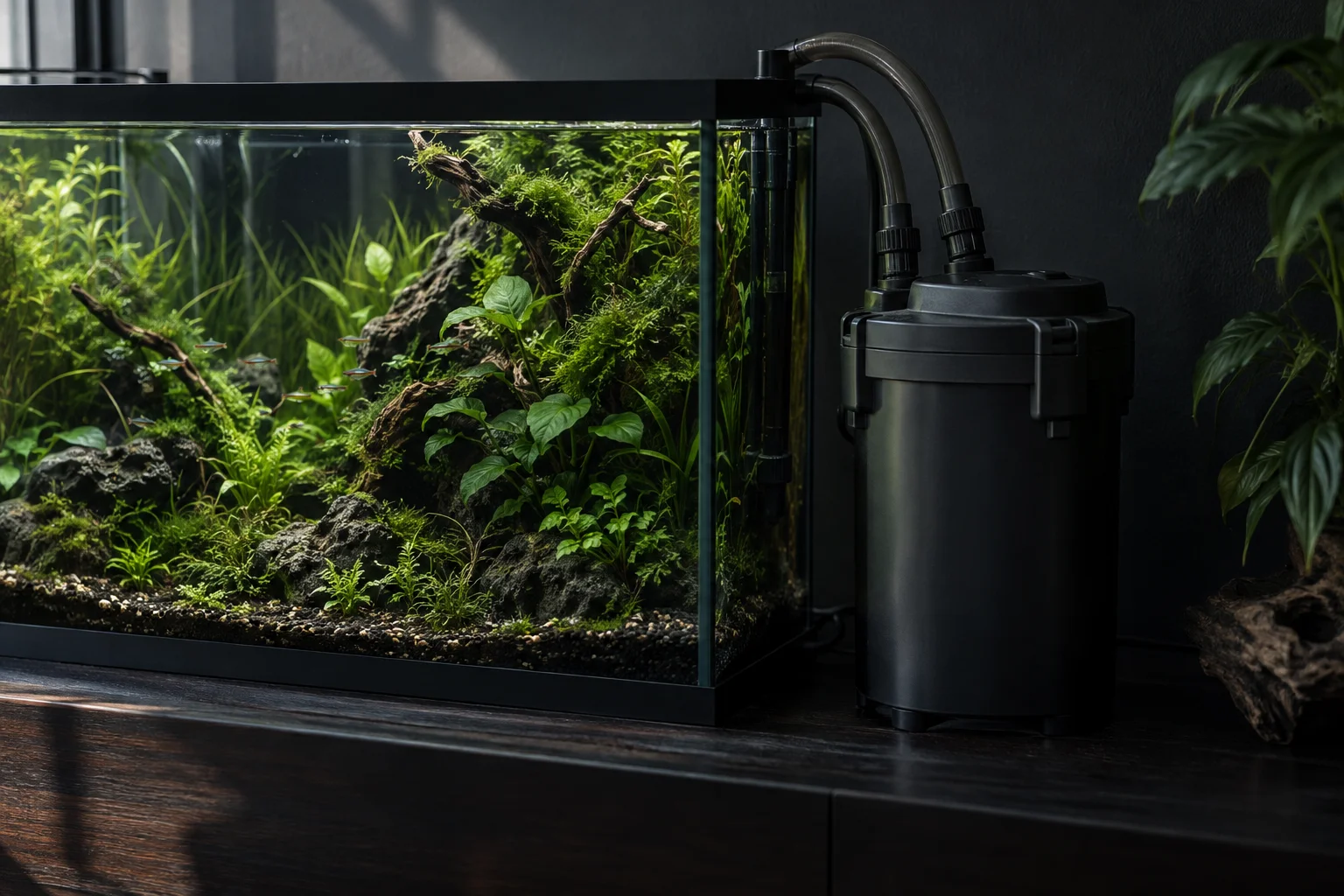
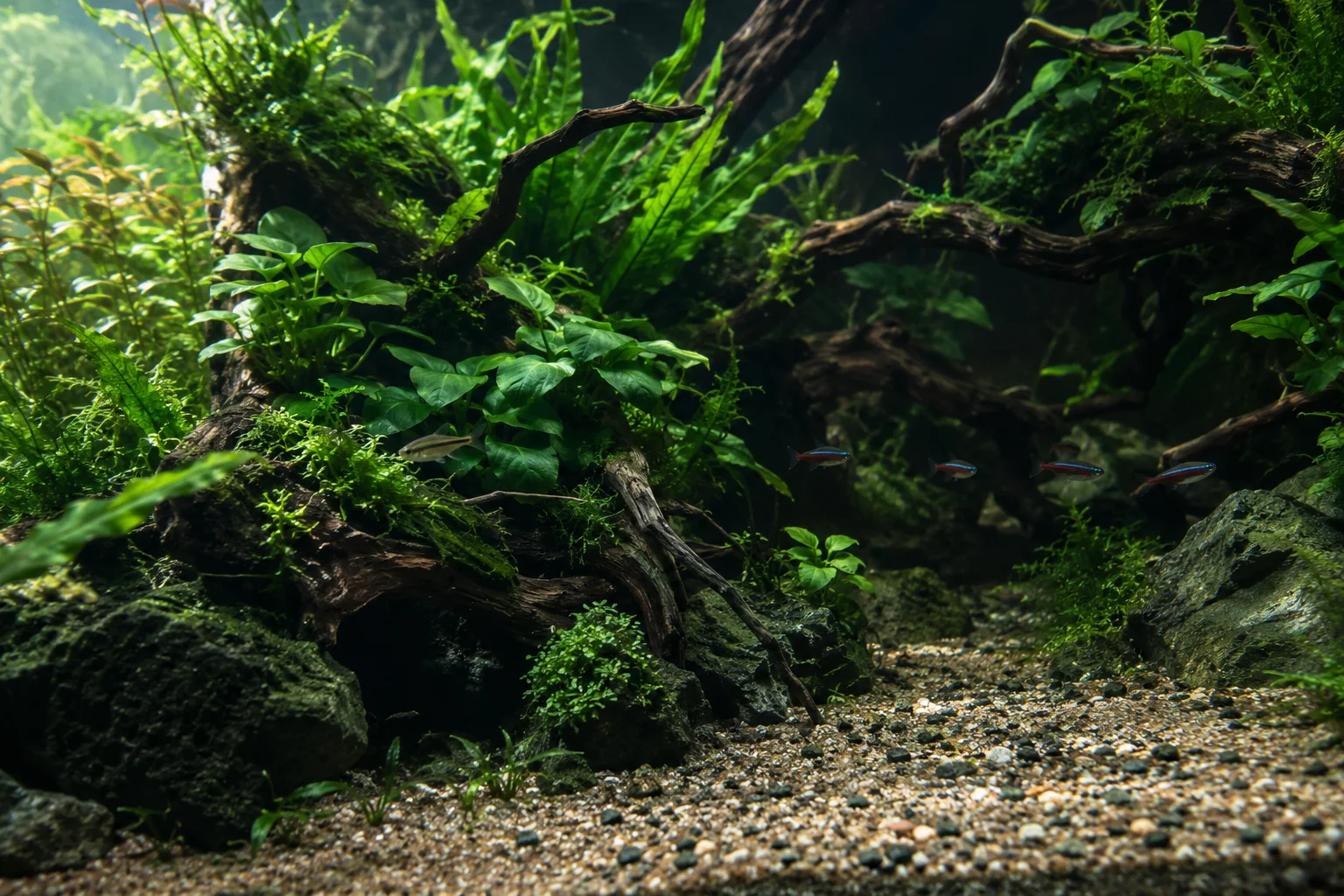
A planted aquarium is the ideal home. Broad leaves like anubias and java fern, driftwood and smooth rocks all grow biofilm, and plants keep nitrate low. Avoid adding otos to a sterile, newly set-up tank: even if the water tests clean, there is nothing to graze. Give the setup at least two to three months to mature first.
Cover the filter intake with a sponge, keep the current moderate and use a lid. Bright light is fine as long as there are shaded areas under leaves or wood.
05
Water parameters
Otos tolerate a fairly wide range, but they react badly to instability, ammonia and nitrite. Treat tap water with a water conditioner, match temperature during water changes and avoid large swings in pH. Our guide to aquarium water parameters explains how to read your test results.
| Parameter | Target range |
|---|---|
| Temperature | 72–79 °F (22–26 °C) |
| pH | 6.0–7.5 |
| GH (general hardness) | 2–12 °dH (35–215 ppm) |
| KH (carbonate hardness) | 1–6 °dH (20–105 ppm) |
| Ammonia / nitrite | 0 ppm |
| Nitrate | Below 20 ppm |
06
Otocinclus diet and feeding
In nature, otocinclus eat biofilm, diatoms and soft green algae. They do not eat tough algae such as black beard or most hair algae, and they cannot scrape hard green spot algae off glass. Brown diatoms, common in new tanks, are one of their favorite foods; if you are dealing with them, see our guide to brown algae in a fish tank.
Even in a planted tank, a group of otos quickly exhausts the natural film. Supplement every day or every other day with algae wafers or spirulina-based tablets and blanched vegetables: zucchini, cucumber or shelled peas, weighed down with a plant weight or a stainless fork. Remove vegetables after about 24 hours to avoid fouling the water.
Watch their bellies. A healthy oto has a gently rounded belly when seen from below or the side. A hollow, sunken belly means it is starving and needs more targeted feeding.
Never buy otos to "clean" a new tank. Starvation in a tank without biofilm is the number one cause of otocinclus deaths.
07
Acclimation: getting through the first month
Choose fish with rounded bellies that are actively grazing in the store tank, and avoid batches with dead or very thin fish. At home, use a slow drip acclimation over 45–60 minutes, as explained in our guide on how to acclimate fish.
For the first weeks, keep the lights on a regular schedule, feed supplementary food daily, and avoid medicating unless there is a clear diagnosis. Many keepers quarantine otos in a mature, planted quarantine tank where food is abundant. Once they have been eating well for a month, they are usually hardy.
- Buy from a source where the fish have been in stock for a week or more
- Drip acclimate slowly and dim the lights on arrival
- Offer blanched zucchini or algae wafers the same evening
- Check bellies daily for the first two weeks
- Keep water changes small and frequent, with matching temperature
08
Behavior and tank mates
Otos are completely peaceful and never bother fish, shrimp or plants. In a group they graze together and rest on leaves or the glass. They are easily outcompeted for food and stressed by boisterous fish, so tank mates must be small and gentle.
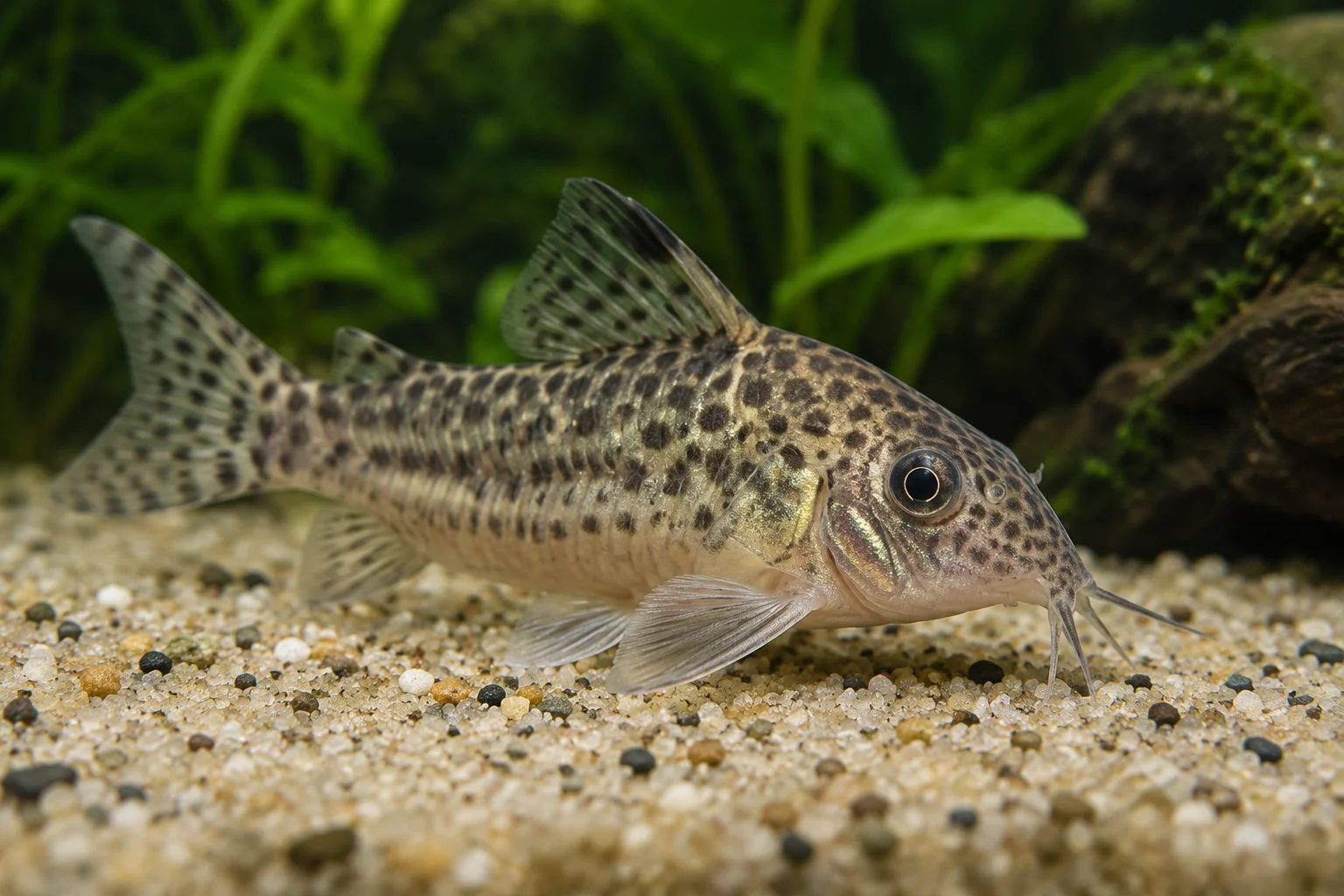
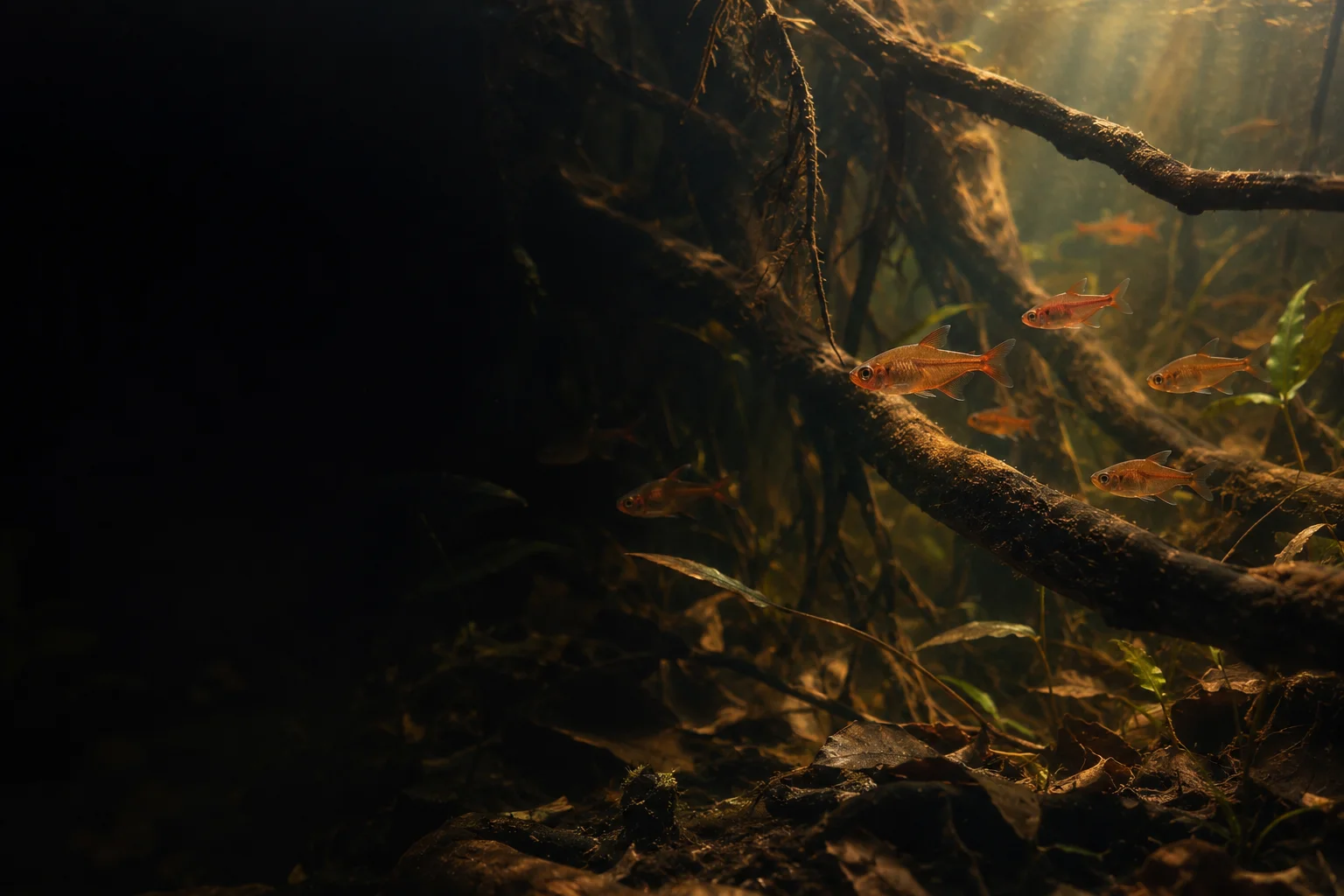
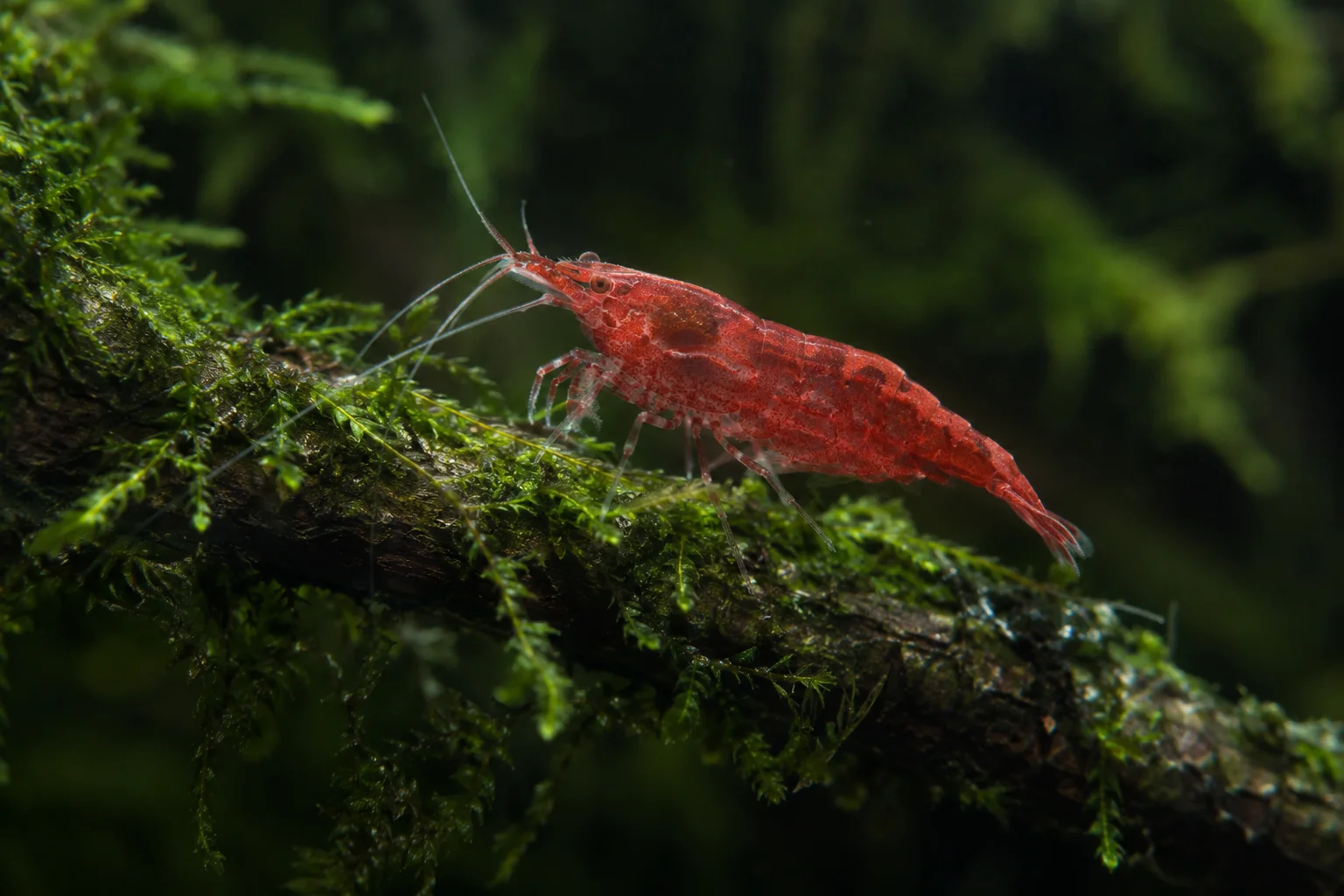
Good companions include small tetras such as neon tetras and ember tetras, rasboras, corydoras, kuhli loaches, guppies and dwarf gouramis. They are also excellent with cherry shrimp and snails in a planted tank. Bettas usually ignore them; see betta tank mates for details.
Avoid large cichlids, goldfish, fast barbs and anything that can swallow them. Some larger plecos and aggressive algae eaters, such as adult Chinese algae eaters, will chase otos off their grazing spots.
09
Breeding otocinclus
Otocinclus are rarely bred on purpose, but spawning does occasionally happen in well-fed, mature planted tanks. Females lay small, sticky eggs one at a time on the underside of leaves or on the glass. The eggs hatch in a few days, and the tiny fry need biofilm and very fine plant-based foods. A tank rich in moss and leaf surfaces gives them the best chance. Captive-bred otos remain uncommon, which is why most fish in the trade are still wild-caught.
10
Common otocinclus health problems
Most problems appear shortly after purchase and are linked to starvation, transport stress or parasites picked up in the supply chain. Once settled, otos are seldom sick if the water is stable. As small catfish, they can be sensitive to some medications, so follow the label carefully and consult an aquatic vet in serious cases.
| Problem | Typical signs | Where to start |
|---|---|---|
| Starvation | Sunken belly, weak grazing | Daily wafers and vegetables, more grazing surfaces |
| Ammonia or nitrite stress | Gasping, lying on the substrate | Test and change water, see ammonia poisoning |
| Ich | White spots, flashing | Treat carefully, see ich in fish |
| Internal parasites | Thinning despite eating, stringy feces | Quarantine, ask an aquatic vet |
| Sudden deaths after purchase | One or two fish lost in the first week | Check water, keep feeding, avoid adding more fish |
11
Recommended gear
Otos do best in tanks with gentle filtration, good plant growth and stable temperature. A sponge filter is ideal in smaller tanks and adds grazing surface. A reliable aquarium heater prevents the temperature drops that stress newly imported fish.
For planted tanks, a decent light encourages the biofilm and soft algae otos feed on; see our best aquarium light guide. A liquid test kit helps you confirm zero ammonia and nitrite before and after adding them.
Frequently asked questions
Frequently asked questions
Why do my otocinclus keep dying?
Most otocinclus die in the first weeks from starvation or transport stress. Many are wild-caught and arrive weak. Add them only to a mature, planted tank with biofilm, feed algae wafers and blanched vegetables daily, acclimate slowly and keep the water stable. After a month of good eating, survival rates improve a lot.
What do otocinclus eat?
The otocinclus diet is based on biofilm, brown diatoms and soft green algae. In the aquarium, supplement with algae or spirulina wafers and blanched zucchini, cucumber or peas. They do not eat black beard algae or hard green spot algae. A rounded belly means they are eating enough.
How many otocinclus should I keep?
Keep at least 6 otocinclus together. They are social fish and feel secure in a group, which makes them graze more openly. In a 20-gallon tank, six is a good number; larger, heavily planted tanks can support more if you supplement their food.
Can otocinclus live with shrimp?
Yes. Otocinclus are among the safest fish for shrimp tanks because they never hunt shrimp or shrimplets. They share the same biofilm, so add supplementary food when keeping both. A mature planted tank with moss gives everyone enough grazing.
Are otocinclus good for a beginner?
They are easy once settled, but the first month is delicate. Beginners succeed with otos when they add them to a tank that has run for a few months, keep the water stable and feed them deliberately. They are not a solution for algae in a new tank.
Sources and references
Written and reviewed by the handsoffmyhobby editorial team according to our editorial policy.