01
Why new fish acclimation matters
A fish bag and your aquarium rarely hold the same water. Temperature can differ by several degrees, and pH, hardness (GH and KH) and dissolved salts can be very different from one city’s tap water to another. Fish can adapt to a lot, but sudden changes force their gills and kidneys to rebalance salts and water too fast. The result is stress, a weaker immune system and, in the following days, outbreaks such as ich.
Acclimation simply means changing those conditions gradually. The temperature part is non-negotiable for every fish. The water-chemistry part matters most for soft-water species, wild-caught fish and invertebrates, which is why there are two main methods: float acclimation and drip acclimation.
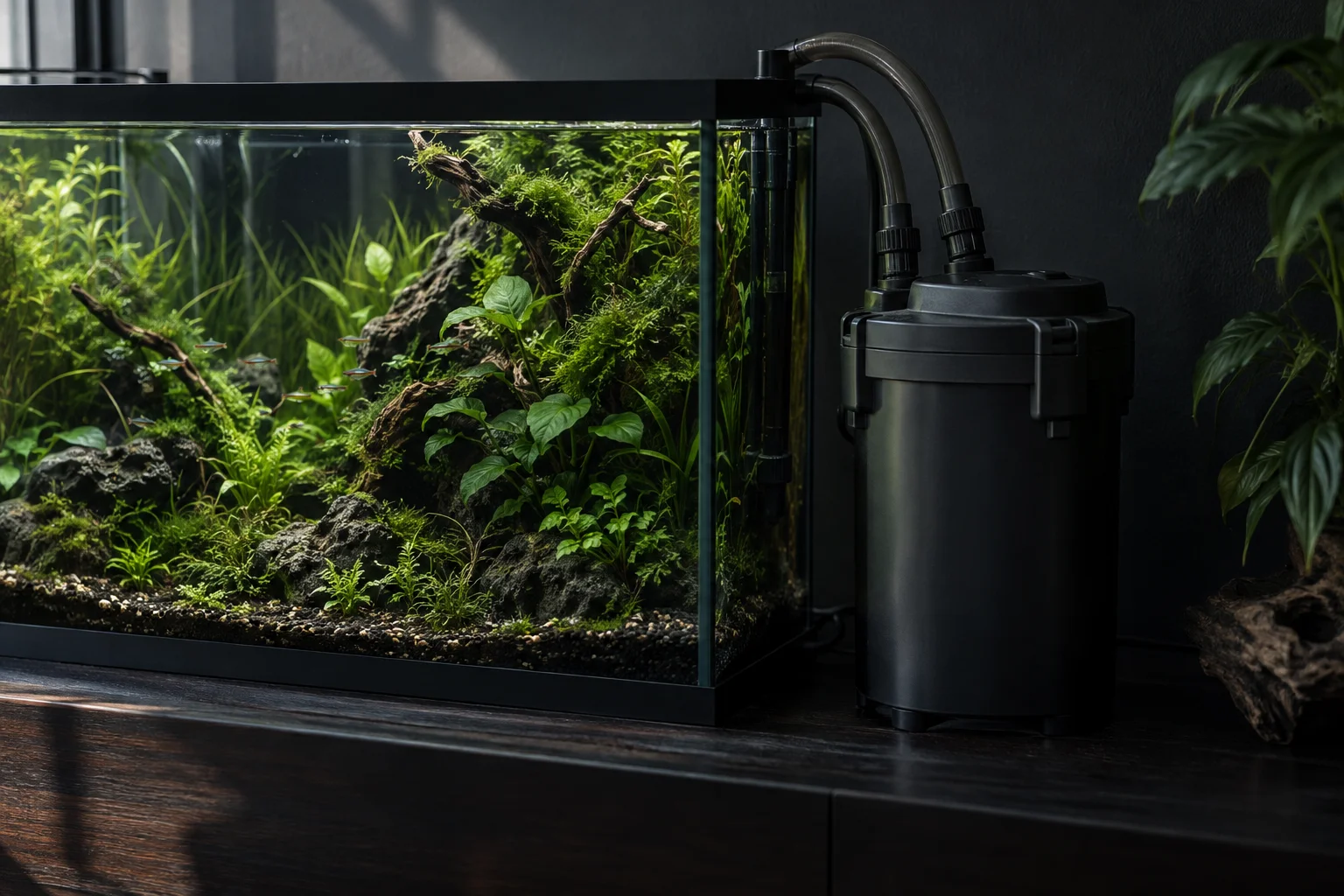
Acclimation only helps if the tank itself is ready. Fish should go into a fully cycled aquarium with 0 ppm ammonia and nitrite; if you are not sure, read our guide on how to cycle a fish tank first. Adding fish to an uncycled tank is the classic cause of new tank syndrome.
02
Before you bring fish home
A few minutes of preparation make acclimation much easier and safer.
- Test your tank water for ammonia, nitrite, nitrate, pH and, ideally, GH and KH. A reliable kit from our best aquarium test kit comparison is worth it here.
- Ask the store for their pH and hardness, or test a sample of the bag water at home. The bigger the gap, the slower you should go.
- Check that your heater holds a steady temperature suited to the species; our fish tank temperature guide lists the usual ranges.
- Dim the tank lights and plan for about an hour of uninterrupted time.
- Keep the bag dark and insulated on the way home (a paper bag or small cooler works) and go straight home.
03
Float acclimation step by step
Float acclimation, sometimes called the floating bag method, is the standard choice for hardy community fish such as guppies, platies, danios and most tetras when your water is broadly similar to the store’s.
- Turn off the aquarium lights and float the sealed bag on the surface for 15–20 minutes so the temperature equalizes.
- Open the bag and roll the top down a few times so it floats like a little boat. Clip it to the rim if needed.
- Add about half a cup (100–120 ml) of tank water to the bag.
- Repeat every 5 minutes for 20–30 minutes, until the bag holds roughly twice its original volume of water.
- Gently net the fish out of the bag and release them into the tank.
- Discard the bag water in the sink, never in the aquarium, since it can carry ammonia, medication residues and pathogens.
If the bag is getting full, pour out half of its water into a bucket and keep adding tank water. You want the fish to spend the last minutes in water that is mostly from your tank.
04
Drip acclimation step by step
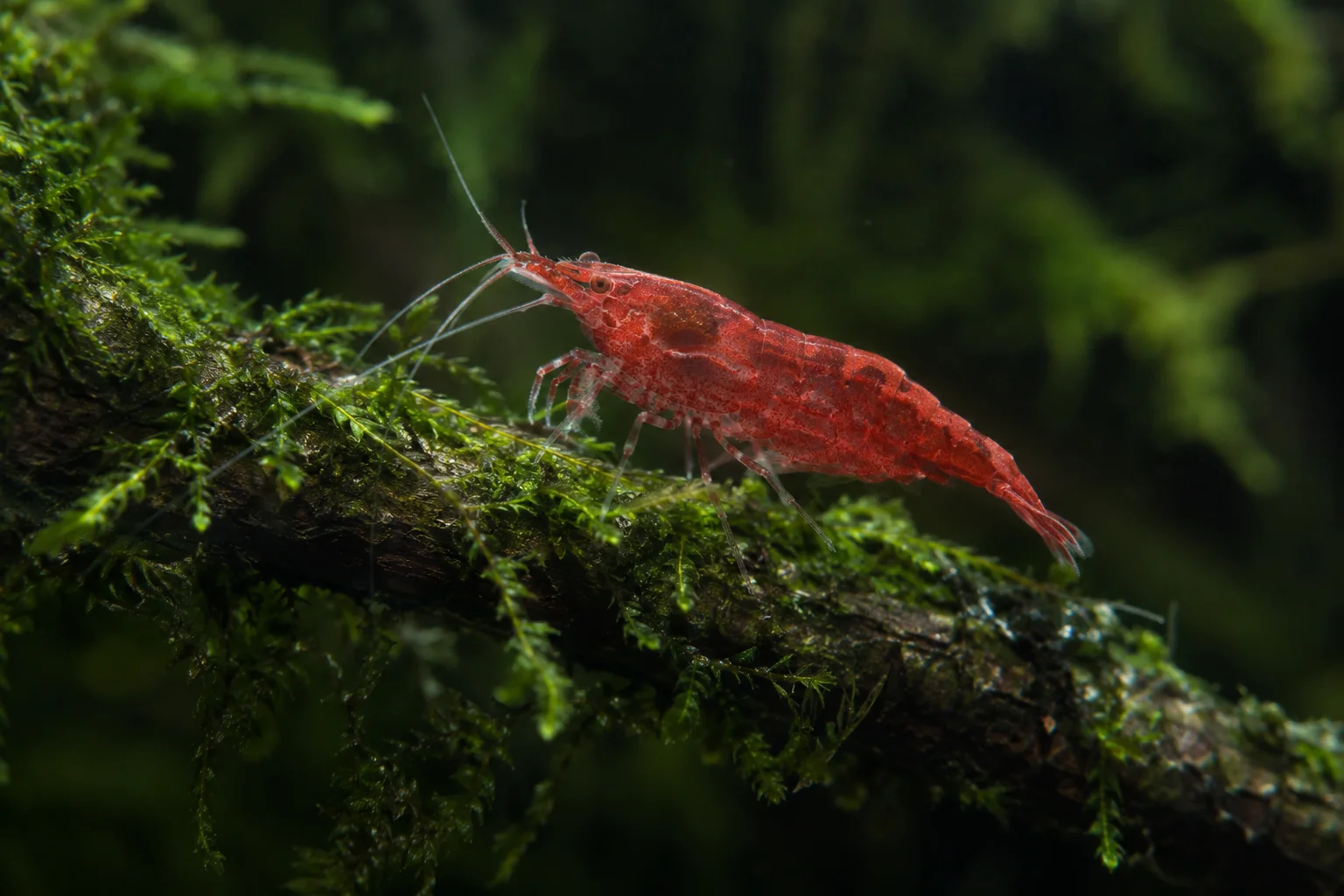
Drip acclimation is slower and gentler. Use it for shrimp such as cherry shrimp, snails, wild-caught fish, sensitive species like neon tetras or discus, and any time your pH differs by more than about 0.5 or your hardness is clearly different from the store’s water.
- Float the bag for 15–20 minutes to match temperature, as above.
- Pour the fish and their water into a clean bucket or container that has never seen soap. Tilt it so the animals stay covered.
- Run airline tubing from the tank to the bucket and start a siphon. Tie a loose knot in the tubing or use an airline valve to slow the flow.
- Adjust to 2–4 drips per second for fish, or 1–2 drips per second for shrimp.
- Let the water volume double, empty half, then let it double again. This usually takes 45–60 minutes for fish and 1–2 hours for shrimp.
- Net the animals into the tank and discard the bucket water.
Always let the bucket sit below the aquarium and keep an eye on it. A forgotten siphon will keep running until the bucket overflows.
05
Float vs drip acclimation: which method to use
Both methods start the same way, with temperature. The difference is how long you take to blend the water chemistry.
| Situation | Best method | Typical time |
|---|---|---|
| Hardy community fish, similar water | Float | 35–50 min |
| Soft-water or sensitive fish (neons, rams, discus) | Drip | 45–90 min |
| Shrimp and snails | Drip, slow | 1–2 h |
| pH difference above 0.5 or very different hardness | Drip | 1–2 h |
| Fish shipped for 24 h or more | Temperature match, then quick transfer | 15–25 min |
06
Fish shipped by mail: the ammonia trap
Fish ordered online are a special case. During a long trip, fish keep excreting ammonia and breathing out CO2 into a small volume of water. The CO2 lowers the pH, and at low pH most ammonia stays in its less toxic ammonium form. When you open the bag, CO2 escapes, the pH rises and that ammonium turns back into toxic free ammonia within minutes.
For shipped fish that look stressed or arrived after 24 hours or more, many experienced keepers therefore match temperature in the sealed bag, then move the fish fairly quickly into the tank or into a quarantine tank, instead of mixing water for an hour. Adding a dose of a conditioner that binds ammonia to the receiving water is a common extra precaution; see our best water conditioner guide. Our page on ammonia poisoning in fish explains the symptoms to watch for.
07
After release: the first 48 hours
Keep the lights off for the rest of the day. New fish often hide, show pale colors or sit on the bottom for a few hours; that is normal and fades as they settle.
Skip feeding on the first day, or offer a very small pinch the next morning. Stressed fish often ignore food, and uneaten food only adds ammonia to a tank that just gained bioload. Our guide on how often to feed aquarium fish covers the right routine once they are eating.
Watch for rapid breathing, clamped fins, white spots or fish being chased by tank mates. Test ammonia and nitrite a day or two later, especially if you added several fish at once.
08
Common acclimation mistakes
Most losses after a purchase come from a handful of avoidable errors.
- Pouring store water into the aquarium along with the fish.
- Opening the bag and releasing the fish without matching temperature.
- Stretching a simple acclimation to 2–3 hours for hardy fish: past a certain point, it adds stress without benefit.
- Adding a whole group of new fish to a recently cycled tank in one day instead of stocking gradually.
- Leaving the lights on and tapping on the glass while fish are trying to settle.
- Skipping quarantine for fish from an unknown source.
09
Quarantine and when to escalate
The safest routine is to acclimate new fish into a separate quarantine tank and watch them for 2–4 weeks before they join your display. A bare 10–20 gallon (40–75 litre) tank with a seeded sponge filter, such as one from our best sponge filter picks, and a heater is enough.
If a new fish breathes very fast, lies on its side or shows white spots, frayed fins or red streaks in the first days, check the water first, then isolate it. For persistent or severe signs, contact an aquatic veterinarian or an experienced local fish store. Our beginner aquarium guide also explains how to stock a new tank gradually.
Frequently asked questions
Frequently asked questions
How long should you acclimate fish?
For most hardy fish, 35–50 minutes in total is enough: 15–20 minutes of floating for temperature, then 20–30 minutes of adding tank water. Sensitive fish and large pH differences call for 45–90 minutes of drip acclimation, and shrimp do best with 1–2 hours. Longer is not always better, especially for fish that spent a day in shipping.
Is drip acclimation better than float acclimation?
Drip acclimation is gentler on water chemistry, so it is better for shrimp, soft-water species, wild-caught fish and large differences in pH or hardness. For hardy community fish going into similar water, float acclimation with gradual water additions works just as well and takes less time and equipment.
Can I put new fish straight into the tank?
Not without at least matching the temperature. Even hardy fish suffer from a sudden swing of a few degrees. Float the sealed bag for 15–20 minutes at minimum. The exception to a long acclimation is fish shipped for a day or more, which are usually moved fairly quickly after a temperature match to avoid an ammonia spike in the opened bag.
Should I add the bag water to my aquarium?
No. Store and shipping water can contain ammonia, medication residues, parasites and bacteria. Net the fish out of the bag or bucket, or pour the water through a net held over a sink, and discard it. Only the fish should go into your tank.
Why are my new fish hiding after acclimation?
Hiding is a normal stress response in a new environment, and many fish stay shy for 1–3 days. Keep the lights off on the first day, avoid tapping on the glass, and provide plants or caves. If hiding comes with rapid breathing, clamped fins or spots, test your water and watch for disease.
Sources and references
Written and reviewed by the handsoffmyhobby editorial team according to our editorial policy.