01
How to choose algae eating snails
Snails graze with a radula, a ribbon of tiny teeth that scrapes thin layers of algae and biofilm from hard surfaces. That makes them excellent at keeping film algae and diatoms in check, and poor at removing tough, tufted or floating algae. Before buying a cleanup crew, identify your algae: brown dusty patches, green spots, hair or tufts behave very differently. Our troubleshooting section helps you name them.
We ranked the snails on this page with four honest criteria. None of them is about price or availability, and all come from widely documented hobby experience, not from lab trials.
- Algae range: which types the snail eats reliably (diatoms, green spot, film, soft hair algae)
- Population control: whether it breeds in freshwater, and how fast
- Plant safety: whether it leaves healthy plants alone when fed properly
- Care needs: tank size, water hardness and temperature compared with a typical community tank
Snails reduce algae; they do not remove the cause. Excess light, unbalanced nutrients and high nitrate are what feed algae. Fix those first, then let snails handle the daily film.
02
Nerite vs mystery snail: which is better for algae?
This is the most common question, and for pure algae control the answer is the nerite snail. Nerites scrape harder algae, including green spot algae that most other cleaners ignore, they stay small and their eggs do not hatch in freshwater, so you never end up with hundreds of them. Their only real downside is the small white egg capsules they leave on hardscape.
The mystery snail is bigger, more active and more entertaining to watch. It handles soft film algae, biofilm, leftover food and dead leaves well, but it does little against green spot algae and produces more waste. It also lays egg clutches above the waterline that you will need to remove if you do not want babies. Many keepers combine both: nerites for the glass and rocks, a mystery snail as a scavenger.
03
Comparison of algae eating snails
The table includes every snail discussed here, including species without their own guide on our site. Sizes are typical adult shell sizes.
| Snail | Adult size | Best on | Breeds in freshwater | Plant-safe | Minimum tank |
|---|---|---|---|---|---|
| Zebra nerite (Neritina natalensis) | 0.8–1 in (2–2.5 cm) | Diatoms, green spot, film algae | No (eggs only) | Yes | 5 gal (19 L) |
| Horned nerite (Clithon spp.) | 0.4–0.6 in (1–1.5 cm) | Film algae, diatoms in tight spots | No (eggs only) | Yes | 3–5 gal (11–19 L) |
| Mystery snail (Pomacea diffusa) | 1.5–2 in (4–5 cm) | Soft film algae, biofilm, leftovers | Yes, slowly (visible clutches) | Yes, if fed | 5 gal (19 L) each |
| Ramshorn snail (Planorbella duryi) | 0.5–1 in (1–2.5 cm) | Soft film algae, biofilm, leftovers | Yes, quickly | Mostly, may nibble soft leaves | 5 gal (19 L) |
| Malaysian trumpet snail (Melanoides tuberculata) | 0.8–1 in (2–2.5 cm) | Detritus, biofilm in the substrate | Yes, quickly (livebearer) | Yes | 5 gal (19 L) |
| Rabbit snail (Tylomelania spp.) | 2–4 in (5–10 cm) | Biofilm, soft algae, detritus | Yes, very slowly | May eat delicate plants | 20 gal (75 L) |
Nerite snail care guide: algae eating, eggs, lifespan and tank setup
The best all-round algae eating snail: diatoms, green spot and film algae, plant-safe and no population boom.
Shrimp & snailsMystery snail care guide: tank size, water, food and eggs
A larger scavenger for soft algae, biofilm and leftovers, with colorful shells and visible egg clutches.
Shrimp & snailsAmano shrimp care guide: size, diet, tank mates and algae control
Not a snail, but the best partner for soft hair algae, which snails barely touch.
Fish speciesOtocinclus care guide: tank, diet, water and tank mates
Small, peaceful algae-eating catfish for mature planted tanks, great on leaves and glass.
Fish speciesBristlenose pleco care guide: size, tank, diet, lifespan and breeding
A hardy algae grazer for tanks of 20 gallons and up that also rasps wood and rocks clean.
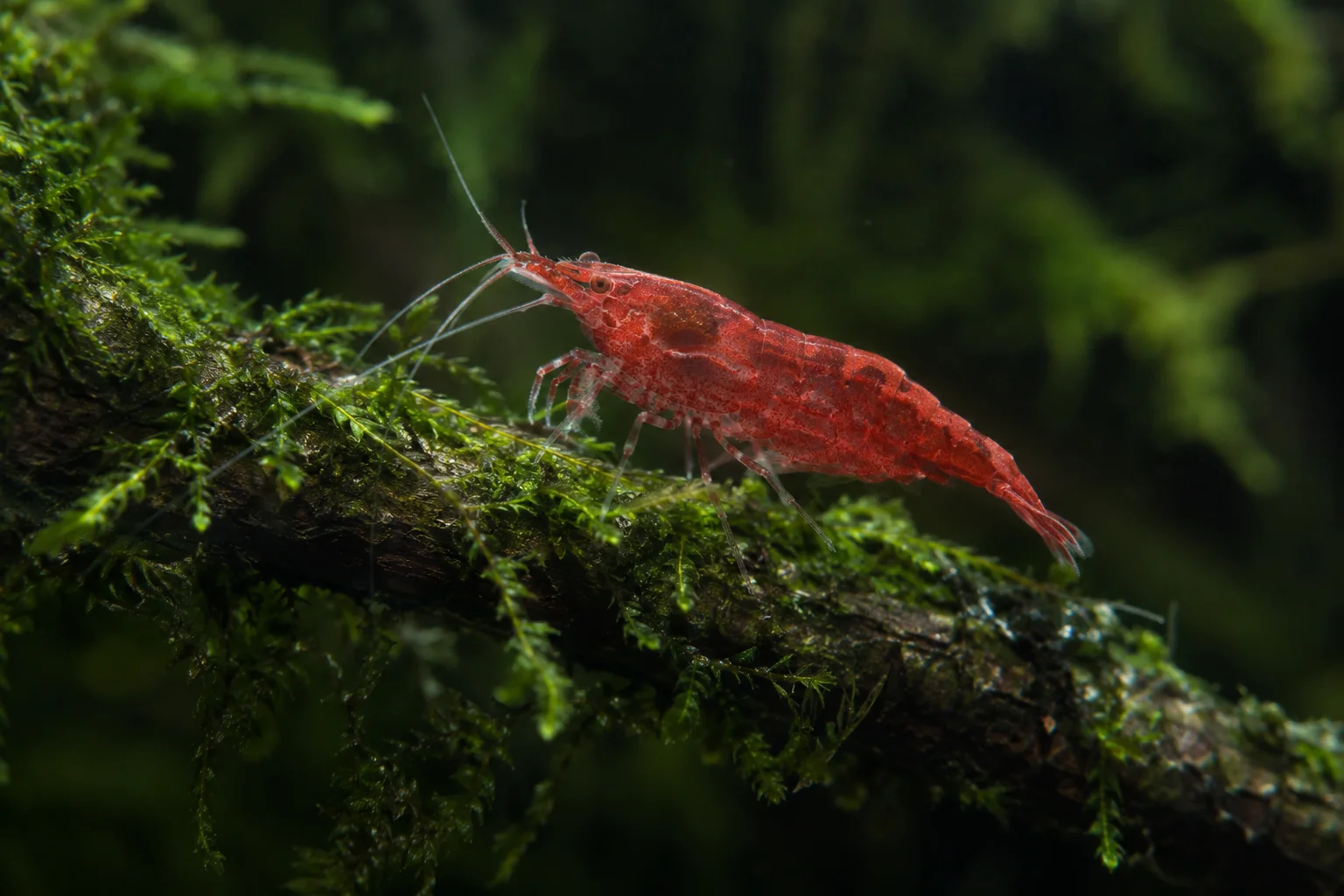
Shrimp & snailsCherry shrimp care guide: tank, water, food and breeding
Colorful biofilm grazers that keep moss and fine leaves tidy in small tanks.
04
The other snails in detail
Horned nerites are miniature nerites with small spikes on the shell. They reach into gaps between rocks and plant stems that larger snails cannot, which makes them a favorite in nano tanks. Their care is the same as for zebra nerites: hard water and a lid.
Ramshorn snails are efficient film grazers and clean up uneaten food quickly. They are hermaphrodites, so even two snails can found a colony, and their numbers follow the food supply. In a tank where you control feeding, they are useful; in an overfed tank they can multiply into the hundreds.
Malaysian trumpet snails spend the day buried and come out at night. They do little for visible algae, but by burrowing they stir the substrate and eat detritus that would otherwise fuel algae. They bear live young and spread quickly, so add them only if you are happy with a permanent population.
Rabbit snails from Sulawesi are large, slow and very peaceful. They need warmer water than most snails, around 77–86 °F (25–30 °C), and produce one large baby at a time. They graze biofilm and soft algae but may also eat soft plants, so they suit hardscape or robust-plant tanks better than delicate planted layouts.
05
Stocking examples for algae control
These sample cleanup crews assume a cycled tank with normal fish stocking. Start with the lower numbers and add more only if algae keeps returning, since a crew that runs out of food will starve. Algae wafers 1–2 times a week help when the glass is clean.
- 10-gallon planted tank: 2 zebra nerites, 1 horned nerite, plus a colony of 10 cherry shrimp for biofilm on moss and plants
- 20-gallon community tank: 3 nerites, 6 otocinclus once the tank is mature, and a small population of Malaysian trumpet snails in the substrate
- 55-gallon community tank: 6–8 nerites, 2 mystery snails, 1 bristlenose pleco and 6 amano shrimp for hair algae
06
Snails to avoid for algae control
Some snails sold or found in tanks are poor choices if algae is your goal. Bladder snails (Physella acuta) arrive on plants, eat mostly leftovers and soft film, and multiply very fast, so they rarely solve an algae problem. Assassin snails (Anentome helena) are predators: they eat other snails, including the nerites and ramshorns you bought for algae.
Large apple snails such as Pomacea canaliculata and Pomacea maculata eat aquarium plants and are restricted in many places because of their invasive potential. Finally, no snail will clear black beard algae or green water. For those, adjust lighting with a controllable aquarium light, balance nutrients and, in high-tech tanks, CO2.
07
Keeping your cleanup crew healthy
Snails need mineral-rich water for their shells. Keep pH above 7.0 and GH above 6 °dH, and read our aquarium water parameters guide if your tap water is soft. Avoid copper in medications and fertilizers, and acclimate snails slowly.
Diatoms in a new tank are normal and usually fade after a few weeks; our page on brown algae in a fish tank explains why. Nerites speed up the cleanup, but patience and steady water changes do most of the work.
Frequently asked questions
Frequently asked questions
What is the best snail for algae control?
For most freshwater tanks, the zebra nerite snail is the best choice. It eats diatoms, green spot algae and film algae, ignores healthy plants and cannot reproduce in freshwater, so the population stays stable. Keep about one nerite per 5 gallons and add algae wafers if the tank becomes very clean.
Nerite vs mystery snail: which eats more algae?
Nerite snails eat more algae, and a wider range of it, including hard green spot algae. Mystery snails focus on soft film algae, biofilm, leftovers and decaying leaves, and they produce more waste. For algae control choose nerites; add a mystery snail if you also want a large, active scavenger.
Do algae eating snails eat black beard algae?
Not in any useful amount. Black beard algae is tough and tufted, and snails cannot scrape it effectively. It is usually linked to unstable CO2 and organic waste. Fix the cause, trim affected leaves and spot-treat hardscape. Snails can then keep the surfaces clean once the algae is gone.
How many snails do I need for algae in a 20-gallon tank?
Three or four nerite snails are usually enough for a 20-gallon tank with moderate algae. Add more only if algae keeps returning after a few weeks. Too many snails starve once the surfaces are clean, so feed algae wafers when you no longer see a green film.
Will algae eating snails take over my tank?
Nerites will not, because their eggs need brackish water. Mystery snails breed but lay visible clutches you can remove. Ramshorn, bladder and Malaysian trumpet snails can multiply quickly when there is excess food, so control feeding and remove extras by hand or with a lettuce trap.
Sources and references
Written and reviewed by the handsoffmyhobby editorial team according to our editorial policy.