Fact sheet
- Common names
- Kuhli loach, coolie loach, kuhli
- Family
- Cobitidae (spined loaches)
- Origin
- Southeast Asia: Malay Peninsula, Sumatra, Borneo, Java
- Adult size
- 3–4 in (8–10 cm), rarely up to 4.7 in (12 cm)
- Lifespan
- 10 years or more
- Minimum tank
- 20 gallons (75 L), long footprint
- Temperature
- 75–82 °F (24–28 °C)
- pH
- 5.5–7.0
- Hardness
- GH 1–10 °dH, KH 0–5 °dH
- Group size
- 5–6 minimum, more is better
- Diet
- Omnivore, bottom feeder (small invertebrates)
- Activity
- Nocturnal and crepuscular
- Care level
- Easy to moderate
01
Kuhli loach care at a glance
The kuhli loach looks more like a tiny eel than a typical fish: a long, slender body with 10–15 dark saddles over a yellow, orange or pinkish base, and four pairs of short barbels around the mouth. It spends the day buried in sand or tucked into roots and caves, then comes out at dusk to forage. Many new owners think their loaches have vanished, only to find a whole group piled under a piece of driftwood.
Good kuhli loach care rests on four points: a group, soft sand, hiding places and a sealed tank. Kept alone, a kuhli rarely shows itself. In a group of six or more, they become far bolder and you will see them "swarming" across the front glass in the evening. Add them only to a fully cycled aquarium, since they are sensitive to ammonia and nitrite.
- Tank: 20 gallons (75 L) or larger, long rather than tall
- Substrate: fine, smooth sand they can burrow into
- Cover: driftwood, caves, leaf litter and dense plants
- Security: tight lid and sponge over filter intakes
- Food: sinking pellets, wafers and frozen foods after lights out
02
Origin and natural habitat
Pangio kuhli comes from the Malay Peninsula and the Indonesian islands of Sumatra, Borneo and Java. Kuhlis live in slow-flowing forest streams, swamps and peat-stained waters, where the bottom is covered in sand, silt and leaf litter and the water is usually soft, acidic and tinted with tannins.
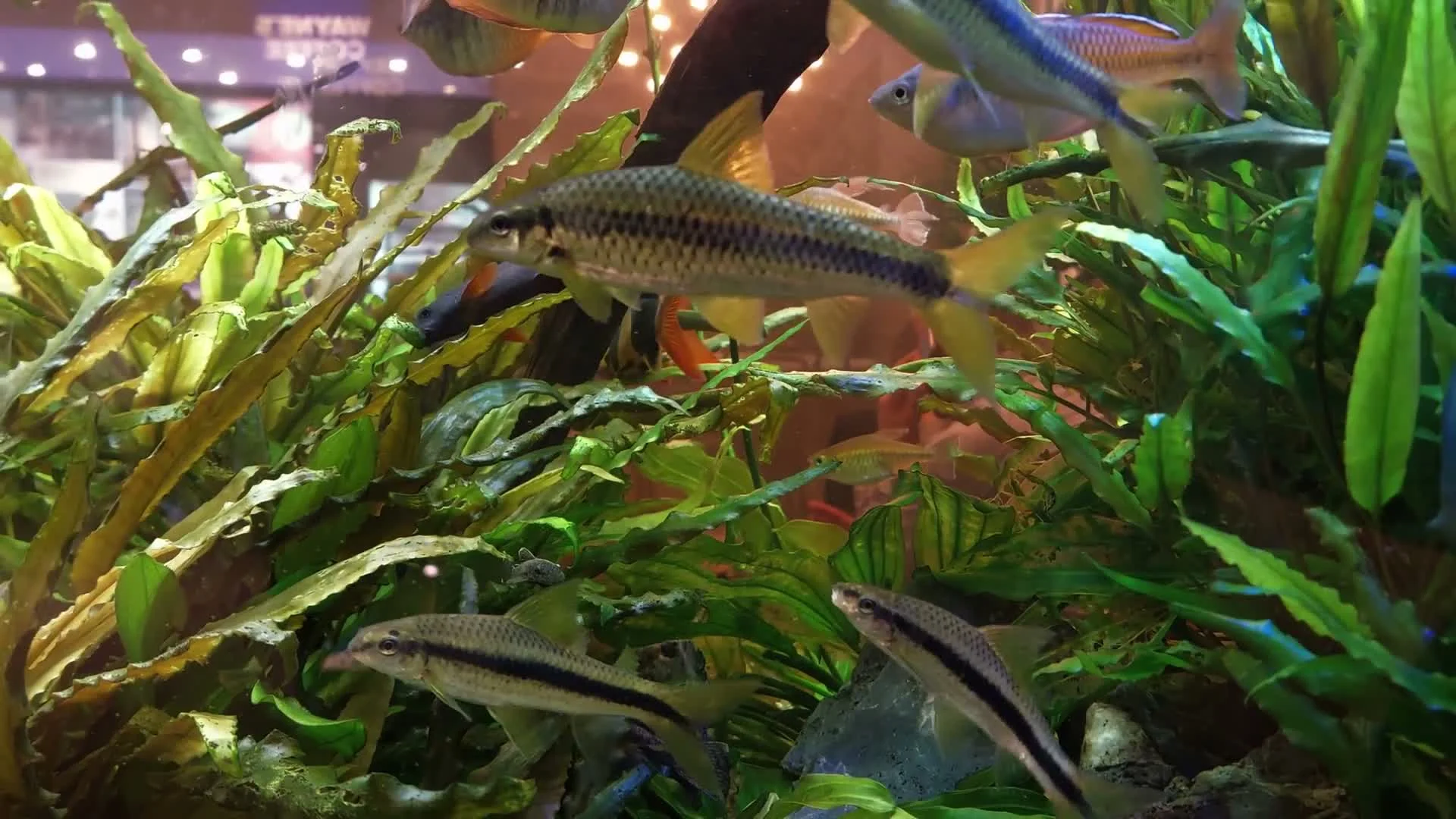
Several similar species are sold under the same name, especially Pangio semicincta, which is often more common in stores than true P. kuhli. Other relatives include the half-banded P. myersi and the solid dark P. oblonga (black kuhli). Their care is essentially identical, and they happily group together.
03
Kuhli loach size and lifespan
Adult kuhli loach size is usually 3–4 inches (8–10 cm), with exceptional individuals reaching close to 4.7 inches (12 cm). They are very slim, so even full-grown fish add little bioload, but their length means they need room to move along the bottom.
These are long-lived fish. With stable water, kuhli loaches commonly live 10 years, and reports of older fish are not unusual. Buying a group is a long-term commitment, worth planning when you choose your tank.
04
Tank size and setup
A 20-gallon long (75 L) tank is a good minimum for a group of six. Bottom area matters more than height. Our ideas for a 20-gallon community tank show how a kuhli group fits alongside midwater schooling fish.
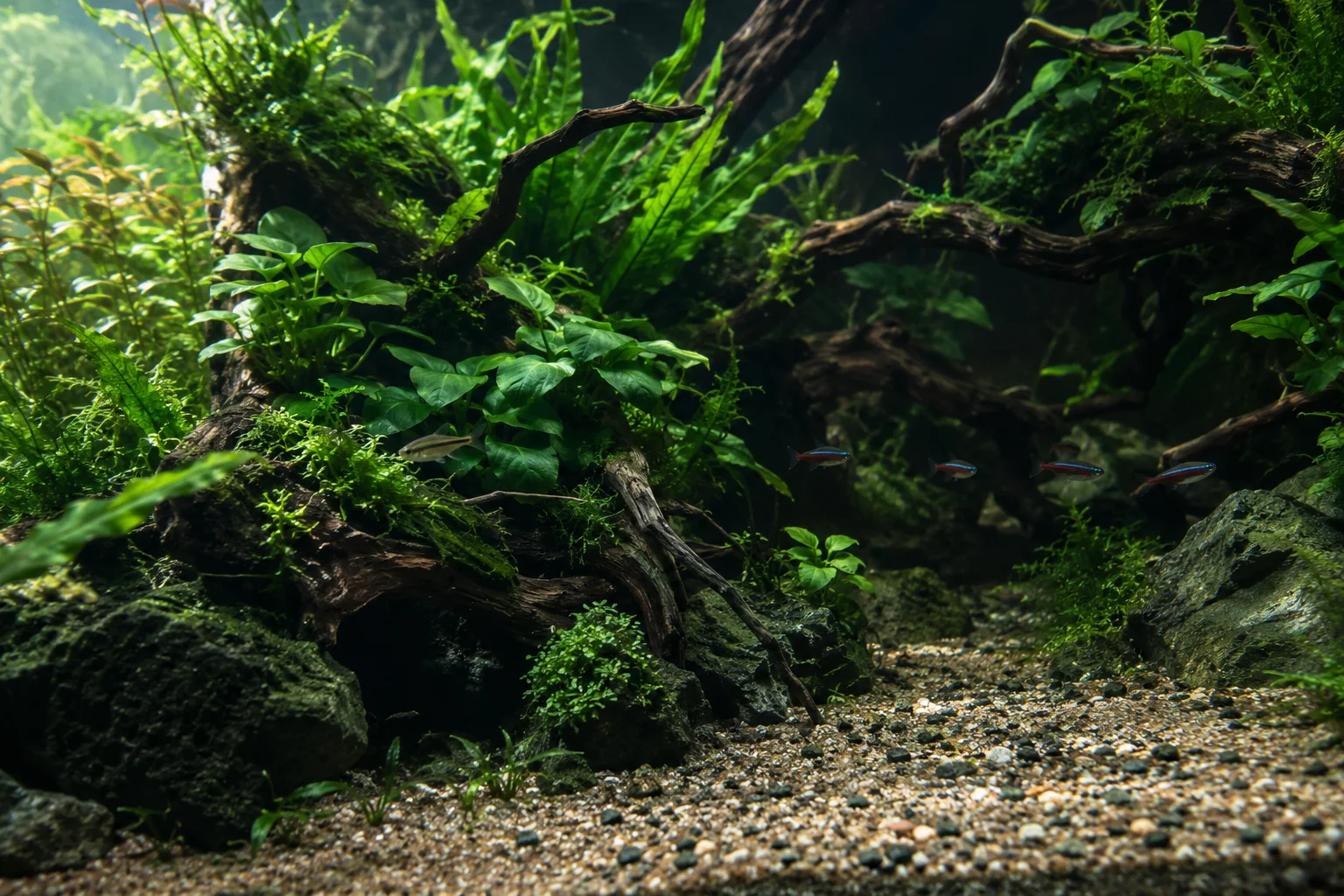
Use fine, smooth sand at least 2 inches (5 cm) deep in parts of the tank so they can burrow. Sharp gravel can scratch their delicate skin and barbels; see the best aquarium substrate for suitable sands. Add plenty of cover: driftwood, caves, leaf litter, and plants such as java fern and anubias tied to wood. A layer of floating plants dims the light and makes kuhlis more active in the daytime.
Kuhli loaches are escape artists. They slip through tiny gaps in lids and into unprotected filter intakes. Cover every intake with a sponge and close gaps around cables and hang-on-back filters.
05
Water parameters
Kuhlis prefer soft, slightly acidic water that matches their peat-swamp origins, but captive and farmed fish adapt to neutral tap water if it is stable and clean. Treat tap water with a water conditioner, test regularly and use our guide to aquarium water parameters to keep everything in range.
| Parameter | Target range |
|---|---|
| Temperature | 75–82 °F (24–28 °C) |
| pH | 5.5–7.0 |
| GH (general hardness) | 1–10 °dH (20–180 ppm) |
| KH (carbonate hardness) | 0–5 °dH (0–90 ppm) |
| Ammonia / nitrite | 0 ppm |
| Nitrate | Below 20 ppm |
06
Diet and feeding
In the wild, kuhli loaches sift sand for insect larvae, worms and tiny crustaceans. In the aquarium, give them sinking pellets or wafers as a staple and add frozen foods such as bloodworms, brine shrimp and daphnia several times a week. Live blackworms or microworms are eagerly taken.
Feed shortly after the lights go out, when they are most active, and make sure food reaches the sand before faster fish eat it. Small, regular meals are better than one large one; our guide on how often to feed aquarium fish explains portion sizes. A slightly rounded body is a sign they are getting enough.
07
Behavior and kuhli loach tank mates
Kuhlis are completely peaceful and shy. They do not harm fish, plants or adult shrimp. During the day they rest in groups, often in tangled piles, and become active at dusk. A dim tank and lots of cover encourage daytime appearances.
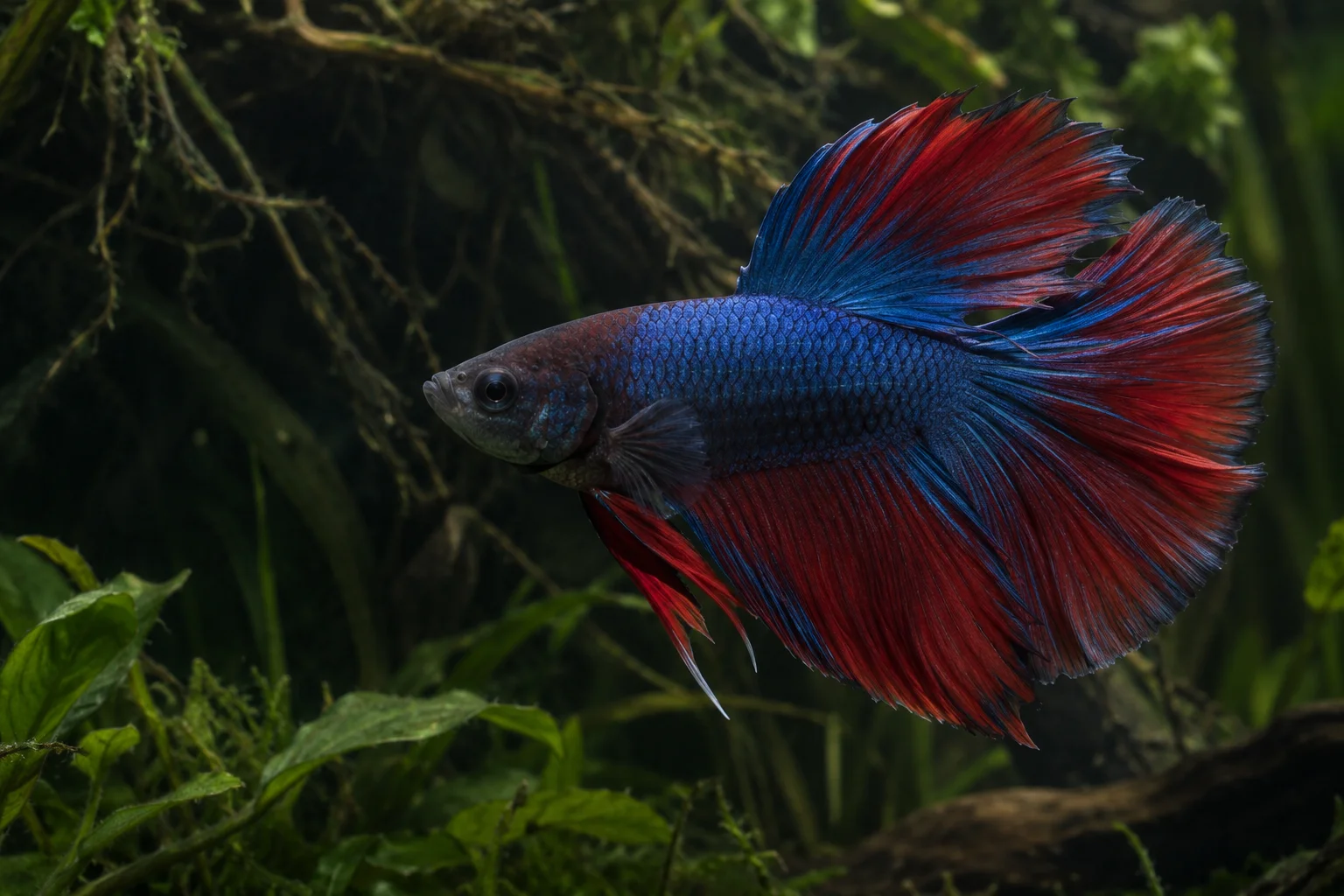
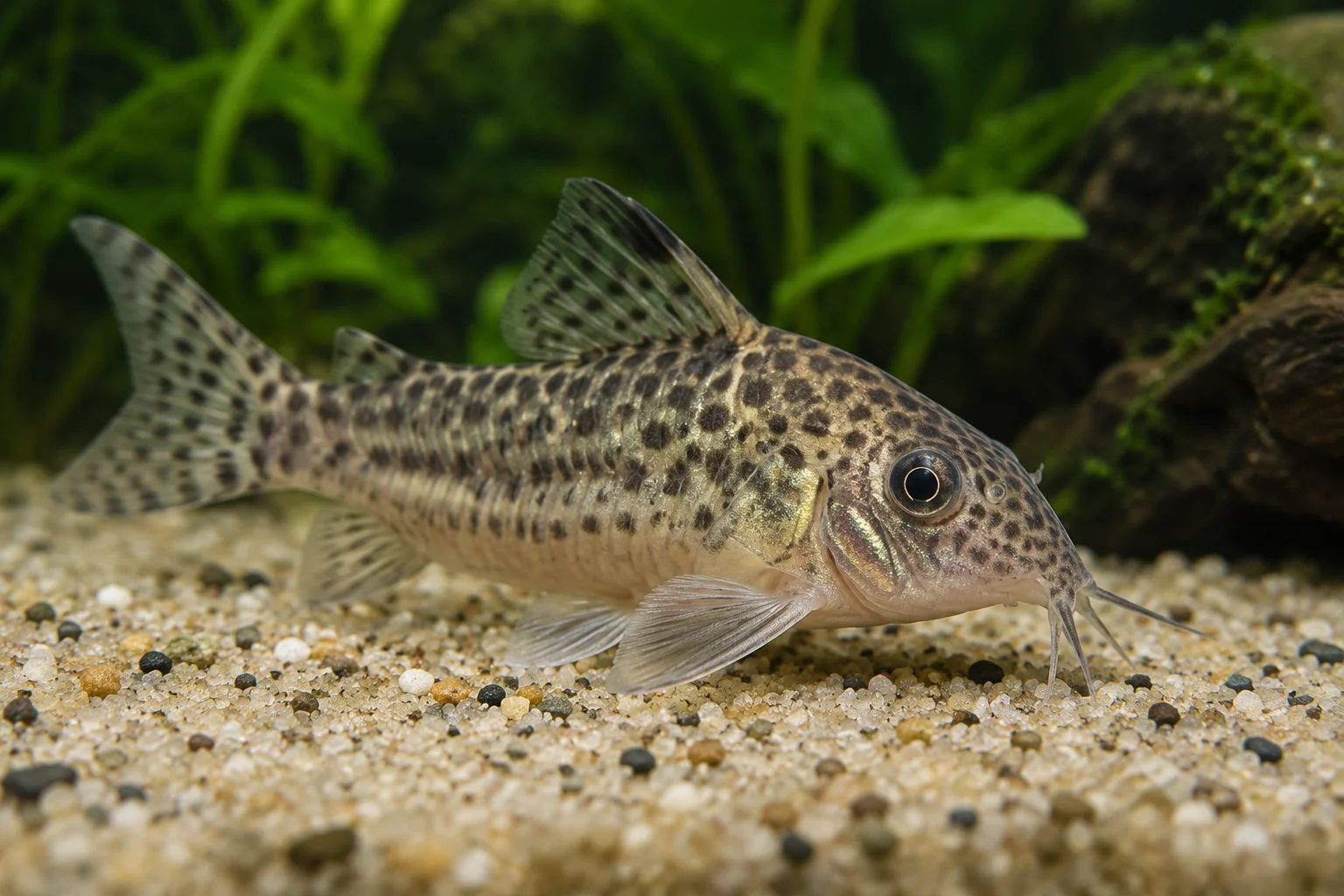
The best kuhli loach tank mates are small, calm fish that use the middle and upper water: neon tetras, cardinal tetras, harlequin rasboras, ember tetras, dwarf gouramis and peaceful corydoras. Otocinclus and snails also coexist well. Kuhlis are one of the classic choices in our betta tank mates guide, since they stay low and out of the betta’s way.
Avoid large cichlids, big barbs, goldfish and any fish large enough to swallow a thin, 3-inch loach. They may eat newborn shrimplets in a breeding shrimp tank, though adult shrimp are safe.
08
Breeding kuhli loaches
Kuhlis are rarely bred deliberately in home aquariums, and most fish in the trade come from commercial farms or wild collection. Spawnings do happen occasionally in mature, heavily planted tanks with soft, acidic water and a large group. Eggs are bright green and are scattered among floating plant roots or fine-leaved plants.
If you find eggs or fry, move them to a separate tank or leave dense cover so adults cannot eat them. Fry need very small live foods such as infusoria or microworms at first. Treat any spawning as a welcome bonus rather than a goal.
09
Common kuhli loach health problems
Kuhlis have very small, embedded scales and are often described as sensitive to medications, salt and copper. They are also prone to ich after transport. When you must treat, use products labeled safe for loaches or scaleless fish, follow the label and consider a reduced dose only if the manufacturer recommends it. For serious cases, consult an aquatic vet.
| Problem | Typical signs | Where to start |
|---|---|---|
| Ich | White spots, rubbing on sand | Treat carefully, see ich in fish |
| Ammonia stress | Lying in the open, gasping, pale color | Test and change water, see ammonia poisoning |
| Skin or barbel damage | Scratches, red or worn barbels | Switch to fine sand, keep the substrate clean |
| Emaciation | Thin body, visible spine | Feed after lights out, check for internal parasites |
| Disappearances | Fish missing for days | Check the filter, sand and floor before assuming death |
10
Recommended gear
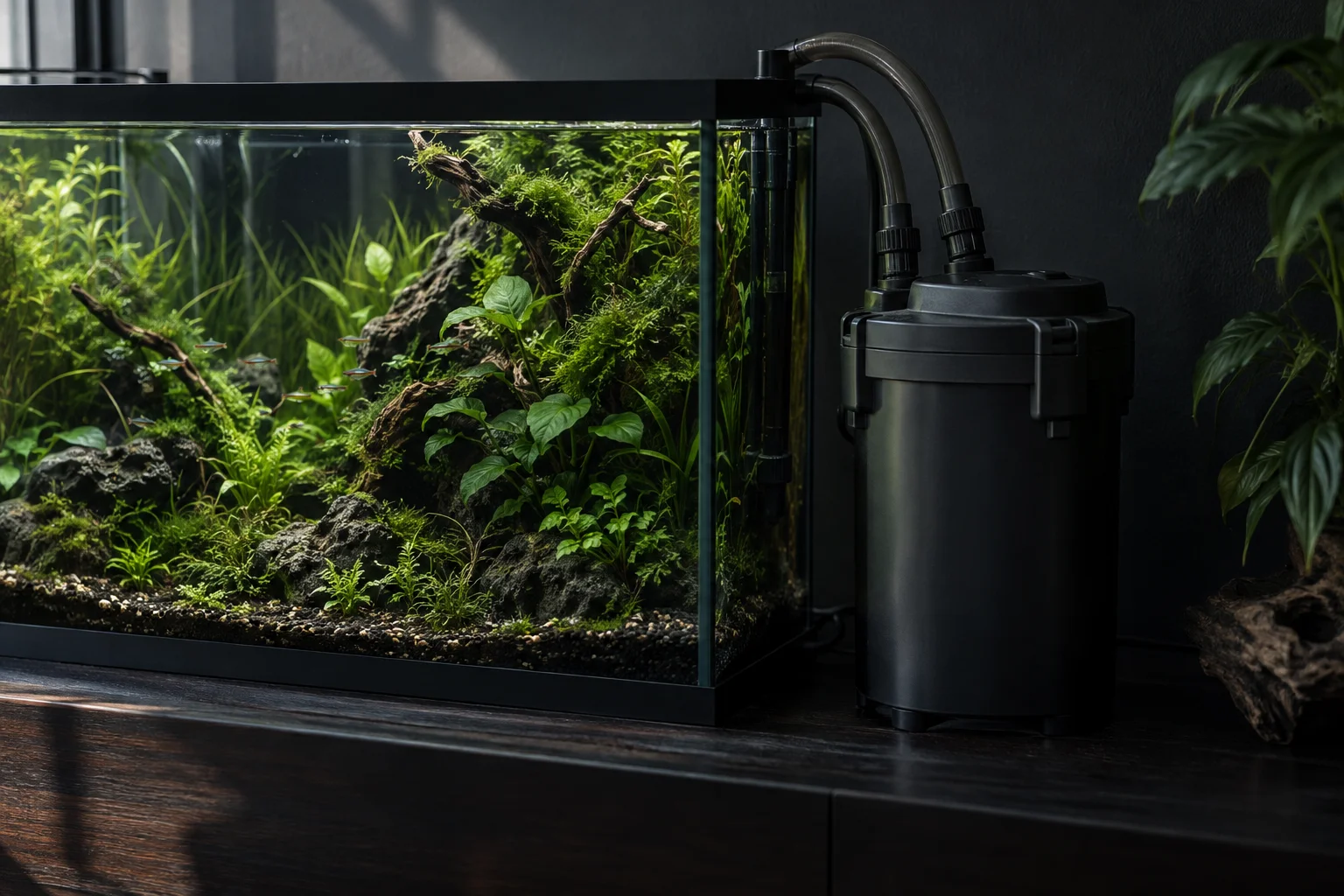
A sponge filter is the safest choice for kuhlis because there is no intake to crawl into; on larger tanks, cover canister and hang-on-back intakes with pre-filter sponges. A reliable aquarium heater with a guard keeps temperature stable and prevents loaches from resting against the glass tube.
Fine sand from our substrate guide, a tight-fitting lid and a liquid test kit complete the setup. If you are still planning your community, see our list of peaceful community fish.
Frequently asked questions
Frequently asked questions
How big do kuhli loaches get?
Kuhli loach size is usually 3–4 inches (8–10 cm) when fully grown, with a few individuals approaching 4.7 inches (12 cm). They are very slender, so their bioload is light, but their length means they need a tank of at least 20 gallons with a long footprint and soft sand.
How many kuhli loaches should be kept together?
Keep at least 5 or 6 kuhli loaches. They are social and much bolder in a group, often resting together in piles. Alone or in pairs they hide almost all the time. In a 30-gallon tank or larger, a group of 8 to 10 is even better.
What are good kuhli loach tank mates?
Small, peaceful fish that stay in the middle and upper water: neon and cardinal tetras, ember tetras, rasboras, dwarf gouramis, corydoras, otocinclus and a betta in a large enough tank. Avoid large cichlids, goldfish, big barbs and anything that could swallow a slim 3-inch fish.
Why can't I see my kuhli loaches?
Kuhli loaches are nocturnal and spend the day buried in sand or hidden under wood. Check with a flashlight an hour after lights out. To see them more, keep a larger group, dim the light with floating plants and feed in the evening. Also check filters and the floor in case one escaped.
Do kuhli loaches need sand?
Sand is strongly recommended. Kuhlis burrow to rest and sift the substrate for food, and coarse or sharp gravel can damage their skin and barbels. Use fine, smooth sand, at least in part of the tank, and keep it clean with regular light vacuuming.
Sources and references
Written and reviewed by the handsoffmyhobby editorial team according to our editorial policy.