01
What counts as a nano fish
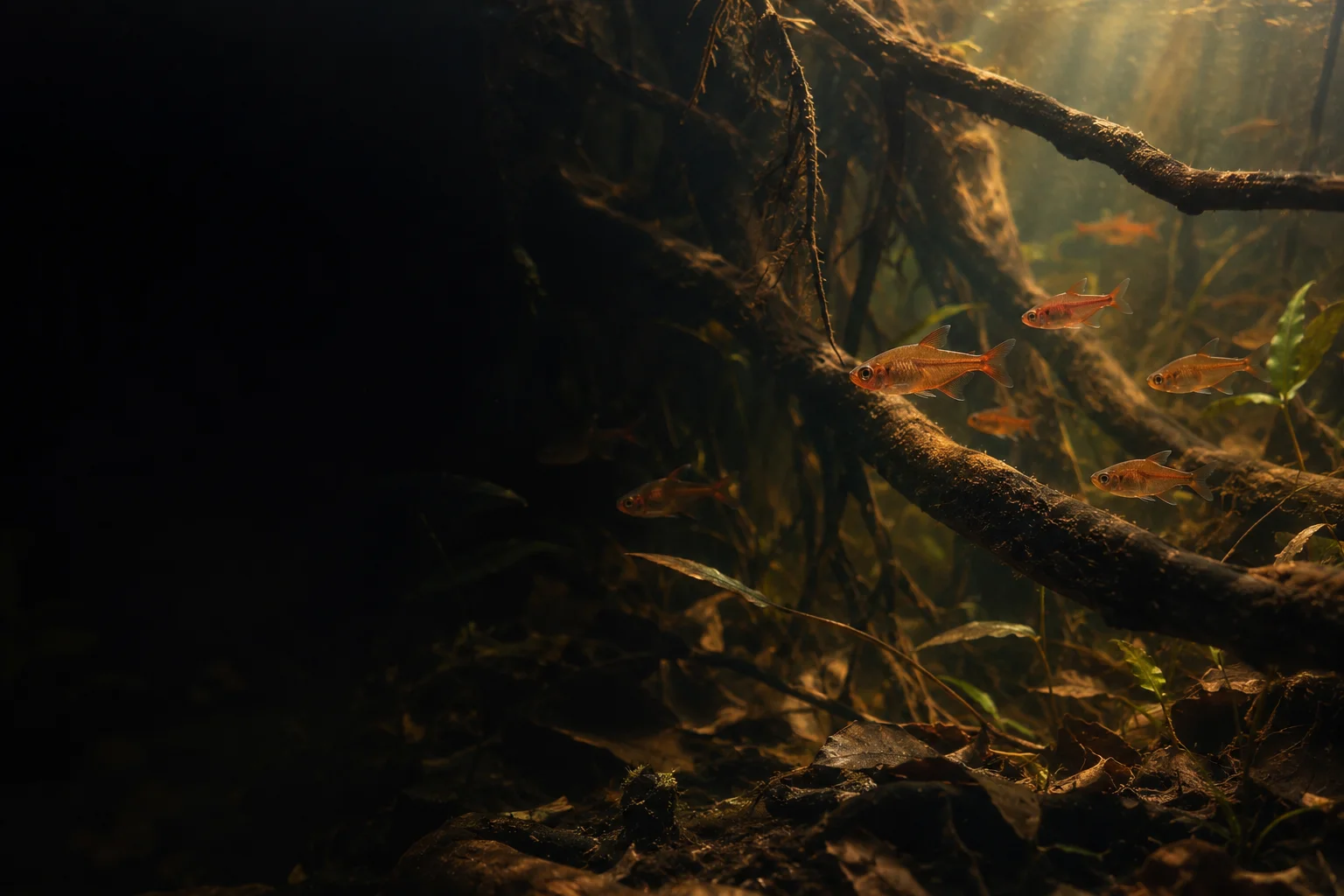
In the hobby, a nano fish is a species that stays small enough, roughly under 1.5 inches (4 cm), and calm enough to live a full life in a tank of 5 to 10 gallons (19 to 38 L). Size is only half of it. A zebra danio is small but swims fast and needs length; a neon tetra stays about 1.2–1.5 in (3–4 cm) but does best in a larger, stable tank. True nano fish are small, slow-moving or territorial within a tiny area, and comfortable in small groups.
The catch is that small tanks are less forgiving. Ten gallons of water dilutes waste and buffers temperature swings far less than 30. That means a fully cycled tank, light feeding and weekly water changes are even more important. If you are still choosing a tank, a 10-gallon is much easier than a 5, and our guide to the best 10 gallon aquarium kits can help.
- Adult size under about 1.5 in (4 cm), or a single small fish like a betta
- Calm swimming style that does not need a long tank
- Peaceful with other nano fish and with shrimp (with a few exceptions)
- Happy in a group of 6 to 10, which a small tank can actually hold
02
Small aquarium fish compared
This table covers every species discussed on this page, including chili rasboras, pygmy corydoras, Endler’s livebearers, sparkling gouramis and scarlet badis, which do not have a dedicated guide yet. Minimum tank sizes assume the group size in the last column.
| Species | Adult size | Minimum tank | Temperature | pH | Keep as |
|---|---|---|---|---|---|
| Chili rasbora (Boraras brigittae) | 0.6–0.8 in (1.5–2 cm) | 5 gal (19 L) | 75–82 °F (24–28 °C) | 5.0–7.0 | Group of 8+ |
| Ember tetra (Hyphessobrycon amandae) | About 0.8 in (2 cm) | 10 gal (38 L) | 73–84 °F (23–29 °C) | 5.5–7.5 | Group of 8+ |
| Celestial pearl danio (Danio margaritatus) | 0.8–1 in (2–2.5 cm) | 10 gal (38 L) | 72–78 °F (22–26 °C) | 6.5–7.5 | Group of 8+, more females than males |
| Pygmy corydoras (Corydoras pygmaeus) | 0.8–1 in (2–2.5 cm) | 10 gal (38 L) | 72–79 °F (22–26 °C) | 6.0–7.5 | Group of 8+ |
| Endler’s livebearer (Poecilia wingei) | 1–1.4 in (2.5–3.5 cm) | 5 gal (19 L) for males only | 75–82 °F (24–28 °C) | 7.0–8.0 | 3 to 6 males, or a mixed group in 10 gal |
| Sparkling gourami (Trichopsis pumila) | 1.4–1.6 in (3.5–4 cm) | 5 gal (19 L), 10 gal for a group | 76–82 °F (24–28 °C) | 6.0–7.5 | Pair or group of 4 to 6 |
| Scarlet badis (Dario dario) | About 0.8 in (2 cm) | 5 gal (19 L) | 73–80 °F (23–27 °C) | 6.5–7.5 | 1 male with 1 or 2 females |
| Betta (Betta splendens) | 2.4–2.8 in (6–7 cm) | 5 gal (19 L) | 76–82 °F (24–28 °C) | 6.5–7.5 | Alone (one male per tank) |
| Harlequin rasbora (Trigonostigma heteromorpha) | 1.6–2 in (4–5 cm) | 10 gal (38 L) | 72–81 °F (22–27 °C) | 6.0–7.5 | Group of 8+ |
| Otocinclus (Otocinclus spp.) | 1.6–2 in (4–5 cm) | 20 gal (75 L) recommended | 72–79 °F (22–26 °C) | 6.0–7.5 | Group of 5+, mature tank only |
Ember tetra care guide: tank, water, school and tank mates
Bright orange, peaceful and hardy for its size. A group of 8 to 10 is one of the best schools for a planted 10-gallon tank.
Fish speciesCelestial pearl danio (galaxy rasbora) care: tank size, water and tank mates
Spotted, shy and stunning in a densely planted tank. Prefers slightly cooler water than most tropicals.
Fish speciesBetta fish care guide: tank size, water, diet and tank mates
The classic single fish for a 5-gallon tank. Not a nano schooling fish, but the best choice when space allows only one.
Fish speciesHarlequin rasbora care guide: tank size, water, diet and tank mates
At 1.6–2 in (4–5 cm) it is not a true nano, but a group fits a 10-gallon and suits larger nano setups well.
Fish speciesOtocinclus care guide: tank, diet, water and tank mates
Small algae grazer for mature, well-planted tanks. Better in 20 gallons, since a group needs plenty of biofilm to graze.
Shrimp & snailsCherry shrimp care guide: tank, water, food and breeding
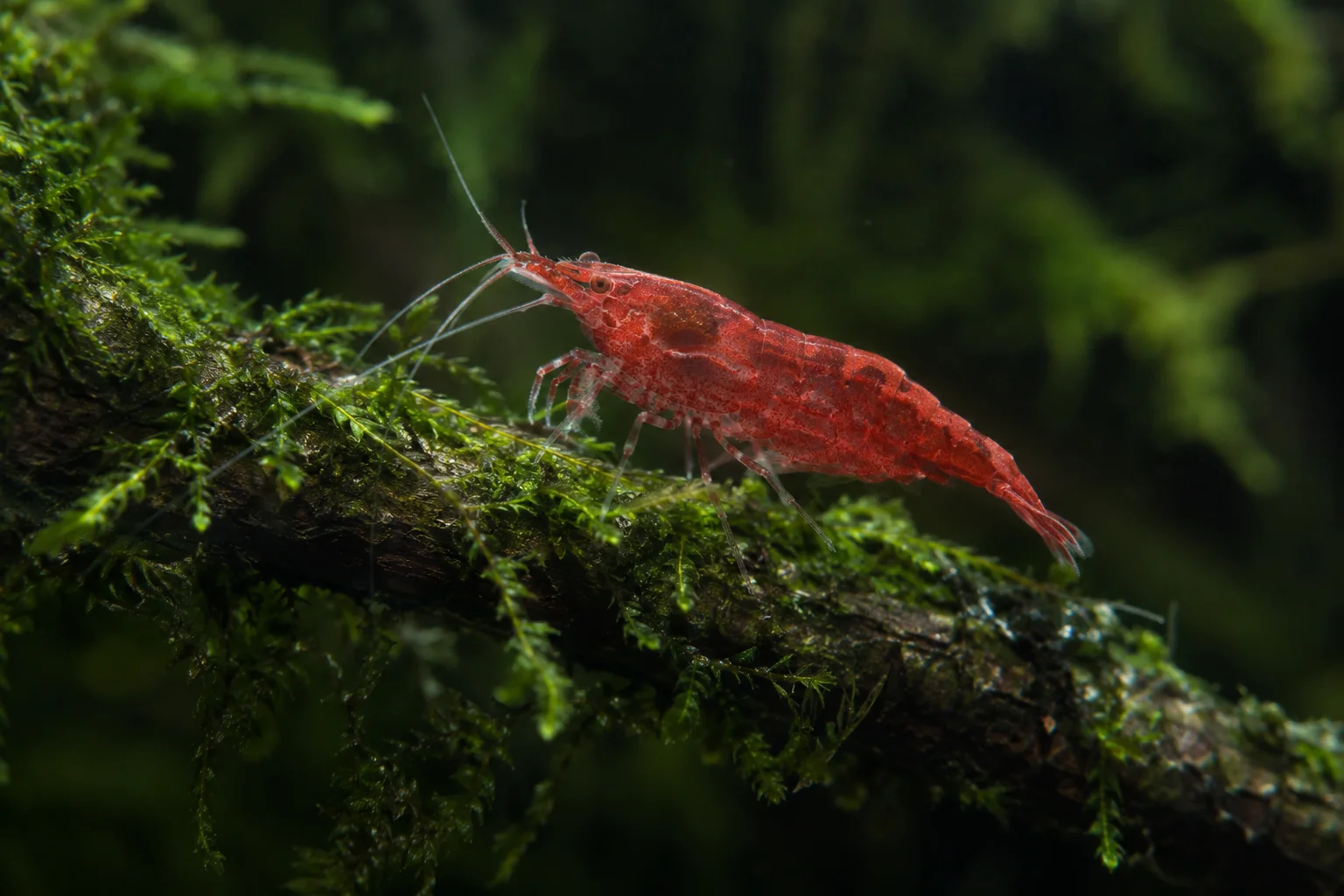
Not a fish, but the perfect nano companion: colorful, peaceful and a cleaner of leftover food and biofilm.
03
Best nano fish for a 5 gallon tank
Five gallons (19 L) is the smallest volume where a heated, filtered tank stays reasonably stable. It suits one centerpiece or one very small group, not a community. A betta is the most popular choice. A small school of chili rasboras or a group of male Endler’s livebearers works too, and a scarlet badis pair is a striking option for experienced keepers who can feed live or frozen food. See our full list of fish for a 5 gallon tank for more ideas.
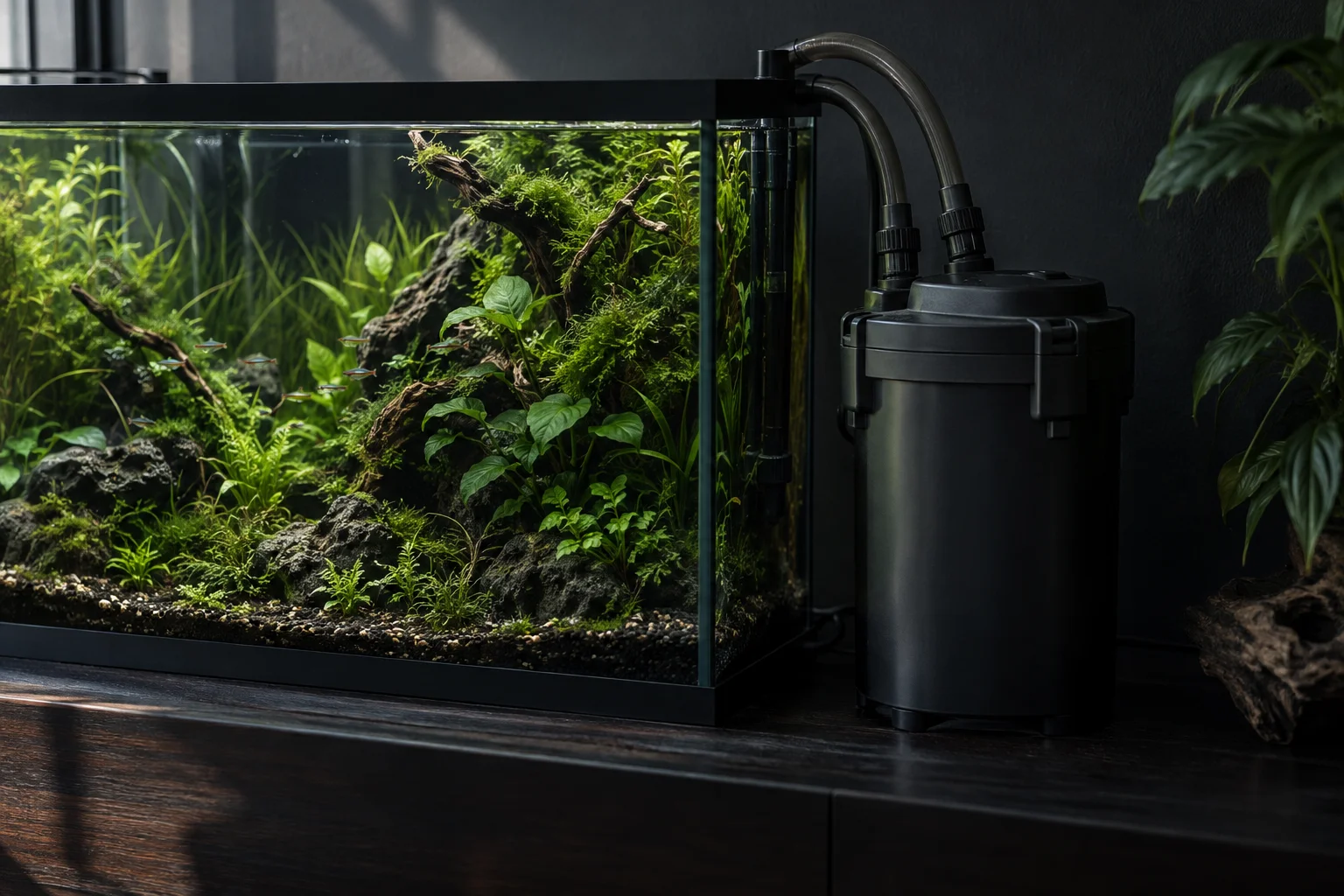
Use a gentle filter: a small sponge filter is ideal, because it does not suck in tiny fish or shrimp and keeps the current soft. A compact aquarium heater of about 25 watts keeps a 5-gallon at a steady tropical temperature.
04
Nano stocking examples
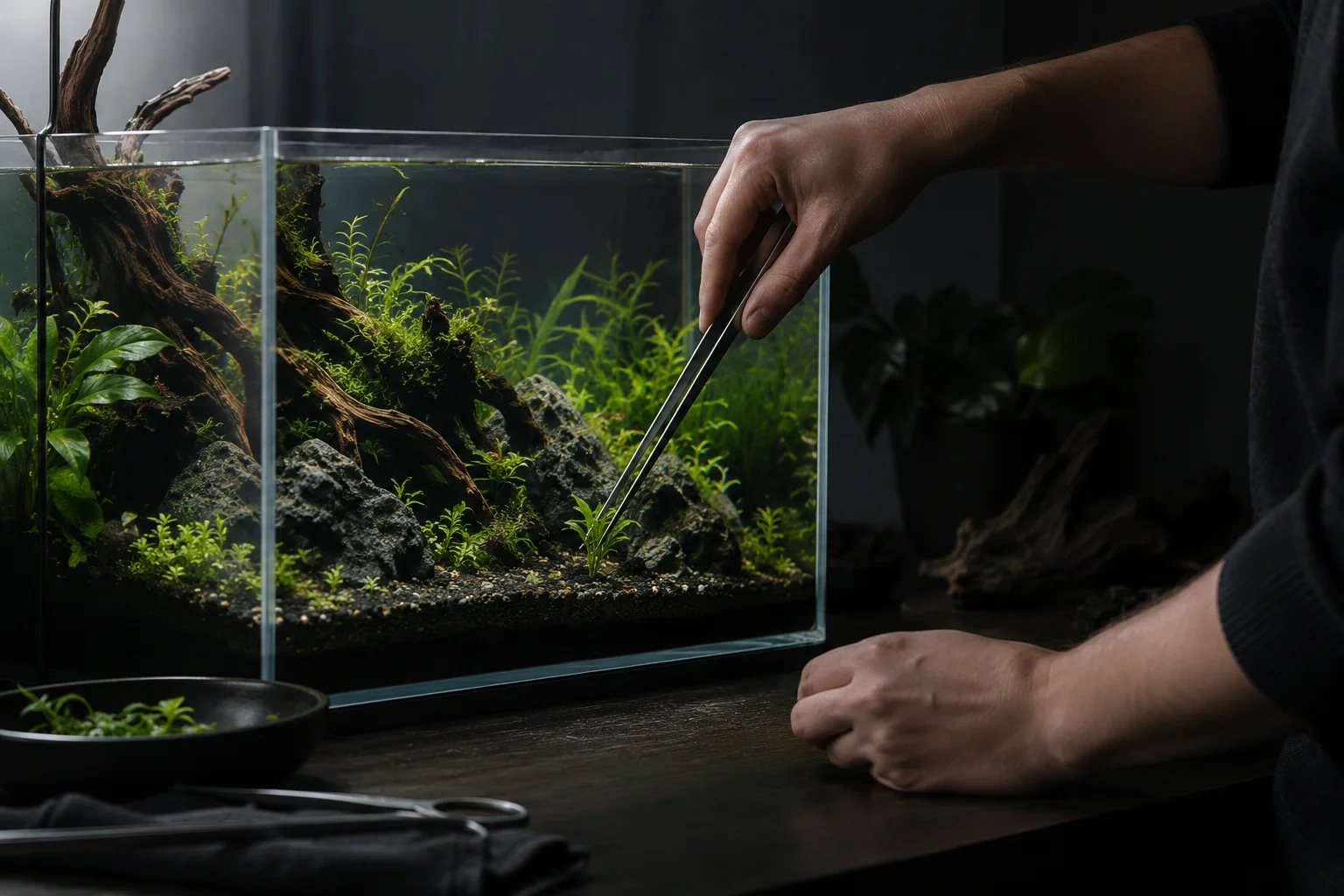
These examples assume a cycled, planted, heated tank with a sponge or gentle filter and a weekly 20–30% water change. Add the bottom-dwellers and shrimp after the main school has settled. For bigger small-tank communities, see the best fish for a 10 gallon tank and our guide to fish for small tanks.
- 5 gallons (19 L): 1 male betta + 2 nerite snails
- 5 gallons (19 L): 8 chili rasboras + a colony of cherry shrimp
- 5 gallons (19 L), hard water: 4 male Endler’s livebearers + 2 nerite snails
- 10 gallons (38 L): 10 ember tetras + 6 to 8 pygmy corydoras
- 10 gallons (38 L): 8 celestial pearl danios + cherry shrimp + 2 nerite snails
- 10 gallons (38 L): 4 sparkling gouramis + 10 chili rasboras
Dense planting does more for nano fish than any gadget. Fast, easy species like those in our beginner plants guide absorb nitrate, give shy fish cover and grow biofilm for shrimp and fry.
05
Shrimp and snails in nano tanks
Invertebrates are what make many nano tanks interesting. Cherry shrimp breed in small tanks and live peacefully with chili rasboras, ember tetras and pygmy corydoras, although adult fish will eat some shrimplets. A nerite snail grazes algae without breeding in fresh water. Scarlet badis, bettas and sparkling gouramis may hunt baby shrimp, so expect a smaller shrimp colony with them.
06
Fish to avoid in nano tanks
Many fish sold as small or for small tanks are juveniles, fast swimmers or fish with special needs. Keep these out of 5 to 10 gallon tanks.
- Zebra danios and white cloud minnows: small but very active, they need a long tank
- Neon tetras: they do better in 20 gallons with stable, soft water
- Bristlenose plecos and gouramis like the dwarf gourami: too large or too territorial for 5 gallons
- Goldfish: high waste output and adult sizes far beyond any nano tank
- Tiger barbs: nippy and need a group of 6+ in a bigger tank
- Pea puffers (Carinotetraodon travancoricus): tiny but aggressive, need a species-only tank and a snail-based diet
Frequently asked questions
Frequently asked questions
What is the best nano fish for a 5 gallon tank?
A single betta is the easiest and most popular choice for 5 gallons. If you want a small school, 8 chili rasboras or 4 male Endler’s livebearers work well in a cycled, planted tank with a gentle filter. Avoid adding more than one group; 5 gallons is not enough for a community.
What are the smallest freshwater aquarium fish?
Among the most widely available tiny freshwater fish, Boraras rasboras such as the chili rasbora (about 0.6–0.8 in or 1.5–2 cm) are among the smallest. Ember tetras, scarlet badis males, celestial pearl danios and pygmy corydoras are close behind, around 0.8–1 in (2–2.5 cm).
How many nano fish can I keep in a 10 gallon tank?
As a rule of thumb, one school of 8 to 10 nano fish plus a small bottom group, such as 6 to 8 pygmy corydoras, or a shrimp colony. That stays manageable with weekly water changes. Watch nitrate: if it climbs above 20 ppm within a week, reduce feeding or stocking.
Do nano fish need a heater?
Most nano fish are tropical and need 72–82 °F (22–28 °C), so yes. Small tanks also lose heat quickly, which makes a reliable heater with a thermostat more important than in a large tank. Celestial pearl danios tolerate the lower end of that range.
Can nano fish live with shrimp?
Yes, most can. Chili rasboras, ember tetras, pygmy corydoras and otocinclus are shrimp-safe with adults, though they may eat a few baby shrimp. Bettas, sparkling gouramis and scarlet badis are more likely to hunt shrimplets, so plant densely if you combine them.
Sources and references
Written and reviewed by the handsoffmyhobby editorial team according to our editorial policy.